The Science Of The Perfect Bath: What Actually Works
Aiden van WykDoesn't a long, muscle-relaxing bath sound perfect right about now?
With so many salts, oils, and powders to choose from, it can feel a little overwhelming trying to figure out what actually works (and how to use it).
But relax; once you see how it all fits together, it’s surprisingly simple.
Consider this your quick, science-backed shortcut to spa-worthy baths at home.
What Actually Happens in a Great Bath?
Baths support muscle relief for multiple reasons:
- Hydrotherapy: Warm water itself is amazing for the body, easing muscle tension and improving blood flow.
- Mineral Solutions: Salts make the water denser and softer, increasing buoyancy and relieving pressure on joints.
- The Addition of Magnesium: While magnesium supplements have been shown to support muscle recovery and reduce soreness, the science on its effects through baths is mixed. Current research suggests that the amount absorbed through the skin is likely too low to provide significant muscle relief on its own. When combined with the soothing warmth of a hot bath, it’s still found to help users feel more relaxed and ease post-exercise stress on the body.
Exploring Bath Minerals:
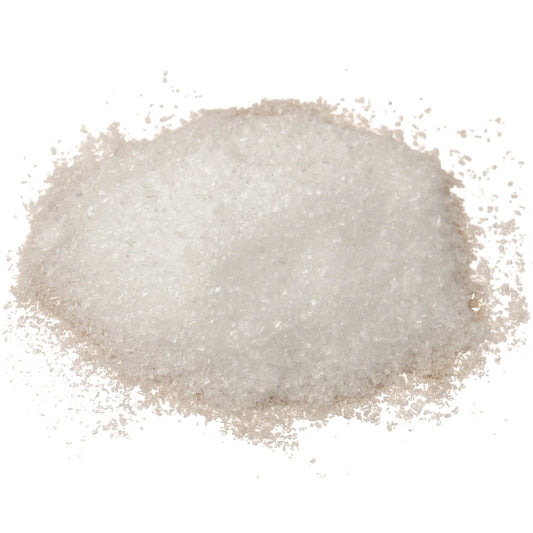
Epsom Salts
Epsom salts give water a soft, buoyant feel and are almost 10% magnesium. They’re great for post-workout recovery and general muscle relief.
- 1–2 cups per standard tub
Magnesium Chloride
Magnesium chloride contains more magnesium per gram than Epsom salts and gives a “spa water” feel, making the bath silky and smooth.
- 1–2 cups per standard tub
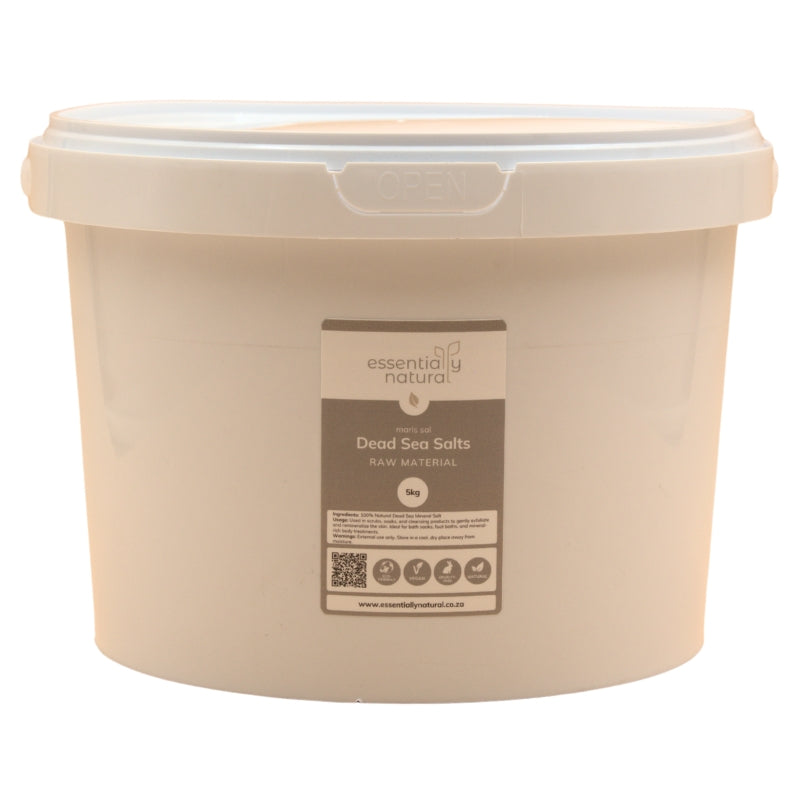
Dead Sea Salt
Dead sea salt is rich in magnesium, potassium, and bromine, and has been shown to improve skin barrier function, hydration, and roughness - making it the perfect addition for dry or eczema-prone skin.
- ½–1 cup when combined with other salts
Himalayan, Kala Namak, Celtic and Atlantic Salt
This is mostly Sodium Chloride with some trace minerals. While they make the bath blends pretty (especially Himalayan's pink color), their main function is contributing salinity and a pleasant "sea bath" feel. At recommended bath concentrations, they don't significantly increase buoyancy or relieve joint pressure - that would require much higher concentrations (think the salinity of the actual Dead Sea). They do, however, add trace minerals, round out the sensory experience, and complement the therapeutic effects of magnesium-based salts.
- ½–1 cup to round out blends
Do You Really Need 8 Cups of Epsom Salts in A Bath?
You may have heard about needing eight cups per bath for a real therapeutic effect.
This is not... really true for a normal tub.
Your body can only absorb so much magnesium through the skin before reaching a saturation point - beyond that, extra salt won’t increase the benefits. Once that threshold is reached, adding more Epsom salts simply makes the water saltier (and more expensive) without improving relaxation or muscle relief.
Also, too much salt can make the water harsh and stingy on the skin, especially for those with dryness or sensitivity.
Is Magnesium Chloride More Potent Than Epsom Salts?
Technically, yes, but practically – it's complicated.
It’s true that Magnesium Chloride contains more magnesium than Epsom Salts, but each ingredient impacts your bath differently.
A quick guide for bath salts could be:
- Epsom – makes water floaty and soft
- Magnesium Chloride – makes water silky and smooth
- Dead Sea Salts – makes water feel slightly oily and moisturising
- Food Salts - adds trace minerals and a pleasant, slightly briny feel
The best way to use it is to blend it together. This gives you the best outcomes:
- Different textures and skin feel
- A variety of minerals available for the skin
- Customisation based on your preference
Basic ratios are:
- Balanced Blend: 30% Epsom Salts : 25% Magnesium Chloride : 25% Sea Salt : 20% Dead Sea Salt
- Skin Soothing Blend: 25% Epsom Salts : 25% Magnesium Chloride : 40% Dead Sea Salt (10% Bath Elixirs, but more on that below)
- Muscle Recovery Blend: 60% Epsom Salts : 25% Sea Salt : 15% Magnesium Chloride
Optional Boosters for your Bath:
-
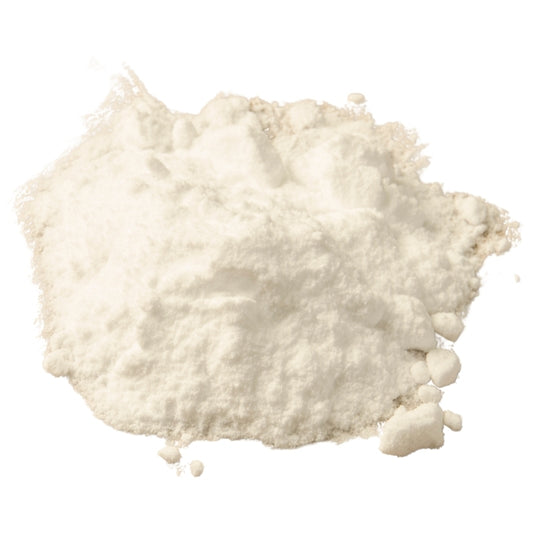
Baking Soda: Softens water and calms itchiness.
- Use ¼–½ cup - Colloidal Oatmeal: Proven skin protectant that reduces itch and soothes dry or eczema-prone skin.
- Use ½-1 cup -
Buttermilk Powder: Adds lactic acid and lipids for a silky, luxurious feel.
- Use 1–4 tablespoons -
Kaolin Clay: Adds gentle slip, silky texture and detoxes the body.
- Use 1–2 tablespoons maximum (use sparingly – it can leave residue) -
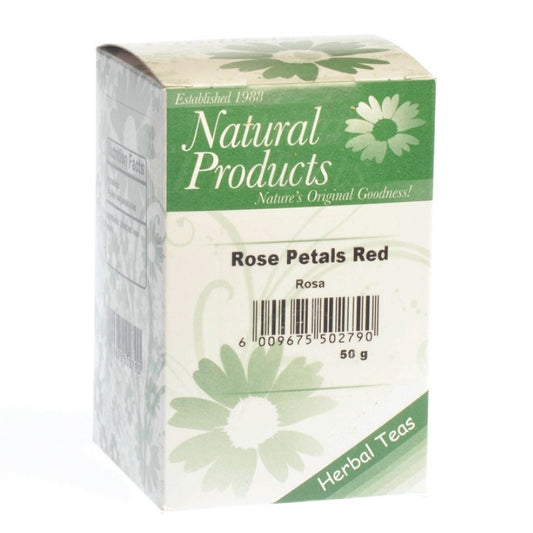
Botanicals (in tea bags or loose): Super pretty with added benefits depending on the botanical – like hibiscus for bright red color and vitamin C (skin brightening), rose petals for toning, and chamomile for soothing
Note: Brightly coloured botanicals may stain your bath