


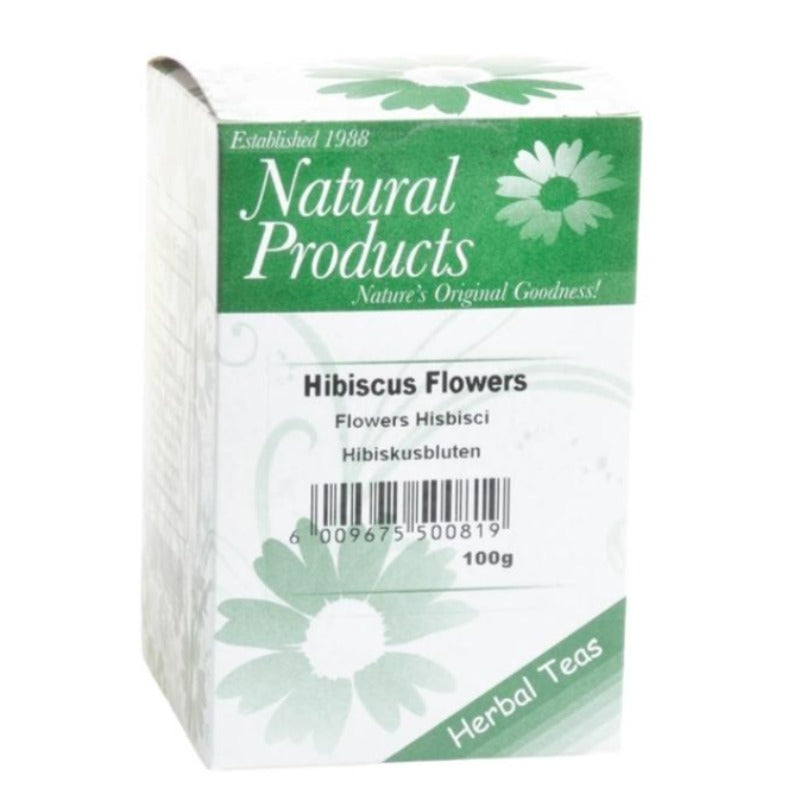
Hibiscus Flowers - 100g
Hibiscus Flowers - 100g
17 in stock — ready to ship.
Couldn't load pickup availability
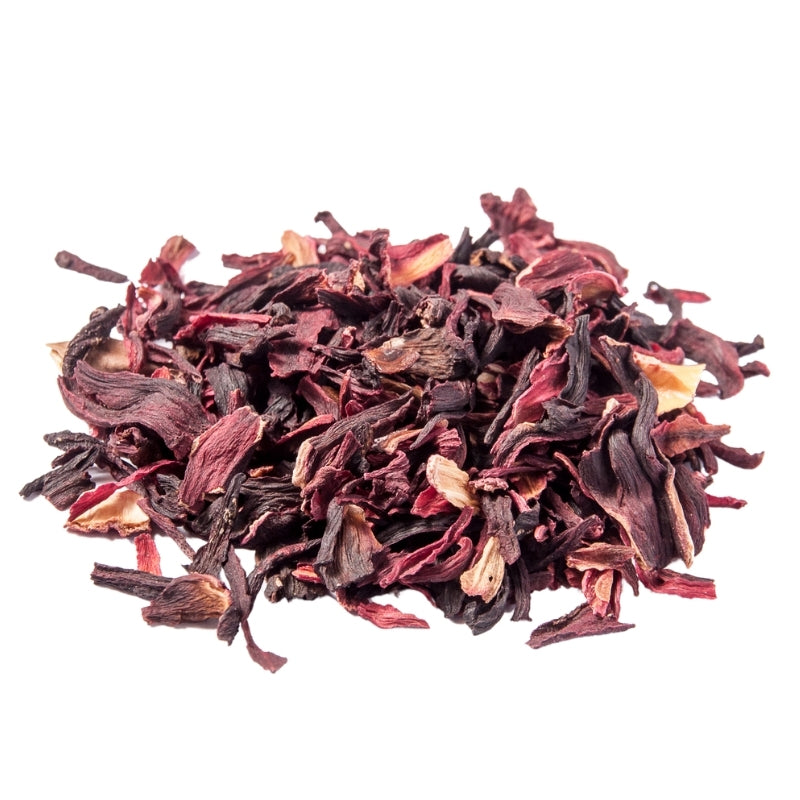
Hibiscus Flowers are vibrant dried blossoms valued for their bold colour, tangy flavour, and versatility across both tea and DIY use. They are commonly infused into herbal teas, blended with other botanicals, and used in simple external preparations for hair and skin routines. Hibiscus is also widely appreciated as a natural colourant in handmade products, where its vivid hue brings extra character to the final result. This single-ingredient botanical suits both creative making and everyday herbal use.
♡ Why we love it: Hibiscus is one of those ingredients that feels instantly uplifting. The colour is naturally striking, the tart flavour makes blends feel bright and refreshing, and the flowers are useful well beyond the teacup. We especially like how easily hibiscus moves between tea, botanical colour work, and simple external-use recipes, which makes it a beautiful fit for plant-led, multipurpose making.
Key properties
- Common Name: Hibiscus
- Plant Part: Flower
- Form: Dried flowers
- Flavour Profile: Tangy, fruity, lightly tart
- Colour Profile: Vivid red to deep pink infusion
- Ingredients: Hibiscus flowers
- Suitable For: Food and cosmetic use
What it's used for
- Brewing bright, tangy herbal teas and simple infusions
- Blending with other botanicals in caffeine-free tea mixes
- Preparing simple hair and skin rinse infusions
- Using in DIY facial masks and other infusion-based projects
- Adding natural colour to handmade products
- Using as a decorative botanical in craft and gifting projects
Who it's for
- Tea blends that benefit from a bright, fruity-tart character
- DIY makers using infusion-based hair and skin routines
- Formulators and hobby makers looking for a plant-based colourant
- Decorative botanical projects for gifts, table settings, or handmade crafts
- Herbal cupboards that enjoy versatile flowers for both tea and making
- Herbal tea preferences that avoid tart or fruity notes
- Ready-made colourant or finished cosmetic product formats
- Preparations where a neutral-coloured infusion is preferred
Hibiscus Flowers Are For:
Hibiscus Flowers Are Not For:
How to use
- As a Tea: Steep a few flowers or petals in freshly boiled water until the infusion reaches your preferred strength, then strain and enjoy.
- As a Blend Ingredient: Combine with other suitable botanicals to create bright, tangy herbal tea blends.
- As a Hair or Skin Rinse: Prepare an infusion, allow it to cool fully, then use in a simple external rinse routine.
- As a Mask Ingredient: Add infused hibiscus liquid to suitable DIY mask recipes.
- As a Natural Colourant: Use the infusion or prepared botanical liquid in DIY products where a plant-based colour contribution is wanted.
- Processing Tip: Hibiscus colour is pH-sensitive. In more acidic formulas it may appear deeper red, while in more alkaline formulas it can shift toward purple, blue, or green.
- Processing Tip: Strain well before external use or when a smoother finish is preferred in DIY applications.
Safety instructions
- For external use, patch test before wider application.
- Avoid contact with eyes.
- Discontinue use if any adverse reaction occurs.
- Keep out of reach of children and pets.
- Use clean tools and containers when preparing DIY applications.
Faqs
Q: What does hibiscus tea taste like?
A: Hibiscus has a bright, tangy, fruity flavour with a naturally tart finish.
Q: Is hibiscus naturally caffeine-free?
A: Yes. Hibiscus is commonly used in caffeine-free herbal infusions and blends.
Q: Can hibiscus be used in DIY hair and skin routines?
A: Yes. A cooled, well-strained infusion is often used in simple external rinse-style preparations.
Q: Why does hibiscus change colour in different formulas?
A: Hibiscus is naturally pH-sensitive, so the colour can shift depending on whether a formula is more acidic or more alkaline.
Q: Can hibiscus be used as a natural colourant?
A: Yes. It is often chosen for DIY projects where a vivid botanical colour contribution is wanted.
Q: What botanicals pair well with hibiscus?
A: Hibiscus pairs well with bright or refreshing companions such as lemongrass, mint, ginger, citrus peel, and other fruit-forward botanicals.
Q: Can hibiscus be used in decorative projects?
A: Yes. The vivid colour and recognisable flower shape make it a popular choice for botanical crafts, gifting, and table styling.
About These Botanicals
This product is grown in an organic and regenerative fashion with as minimal use of insecticides, pesticides, herbicides and fungicides as possible, in certified organic fertilizer. The product is sourced food grade. It is not certified organic. Suitable for Kosher, Halaal and Hindi diets.


Recently viewed
Related Reads
-

The Science Of The Perfect Bath: What Actually ...
The complete guide to baths: which minerals work, perfect blend ratios, and recipes to transform your soak.
The Science Of The Perfect Bath: What Actually ...
The complete guide to baths: which minerals work, perfect blend ratios, and recipes to transform your soak.
-

Easy Unisex DIY Lip Stains
Healthy lips are the ideal. That’s where this simple DIY lip stain steps in, giving you smooth, healthy colour using ingredients you probably already have at home.
Easy Unisex DIY Lip Stains
Healthy lips are the ideal. That’s where this simple DIY lip stain steps in, giving you smooth, healthy colour using ingredients you probably already have at home.

