
-
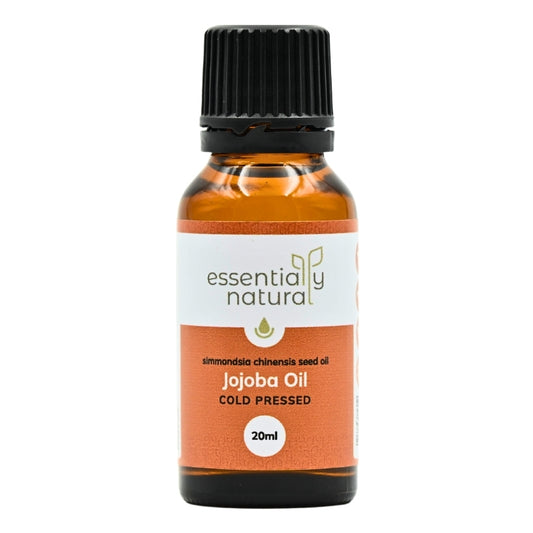
Jojoba Oil (Cold Pressed) - Essentially Natural
Regular price from R49.00Regular priceUnit price per -
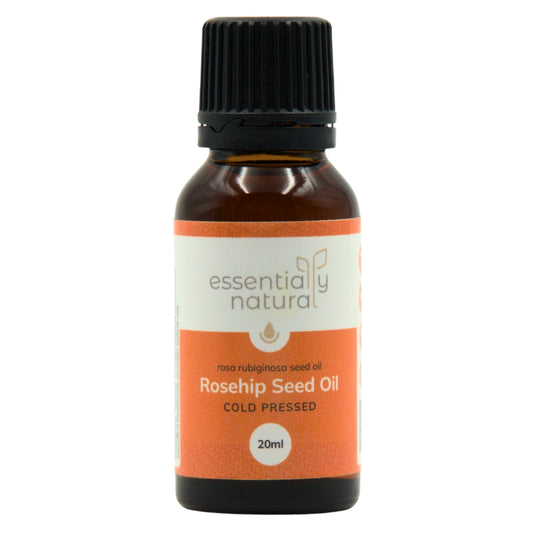
Rosehip Seed Oil (Cold Pressed) - Essentially Natural
Regular price from R89.00Regular priceUnit price per -
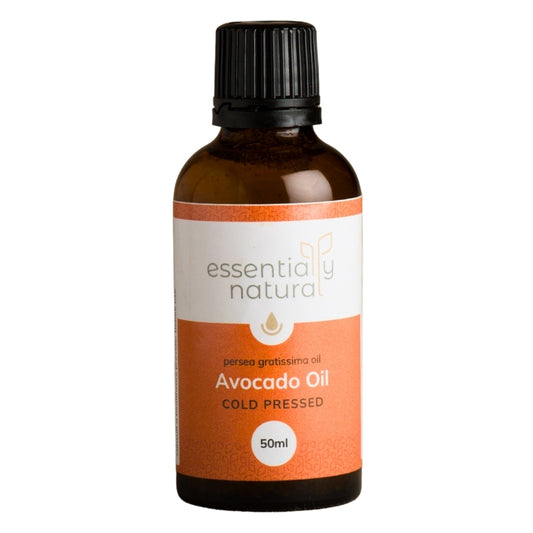
Avocado Oil (Cold Pressed) - Essentially Natural
Regular price from R59.00Regular priceUnit price per -
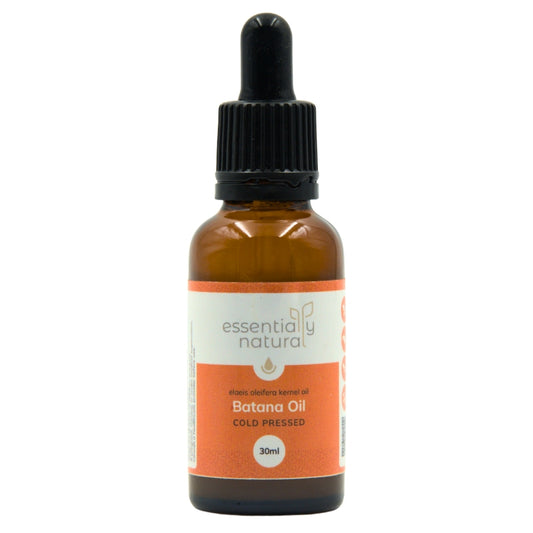
Batana Oil (Cold Pressed) - Essentially Natural
Regular price from R49.00Regular priceUnit price per -
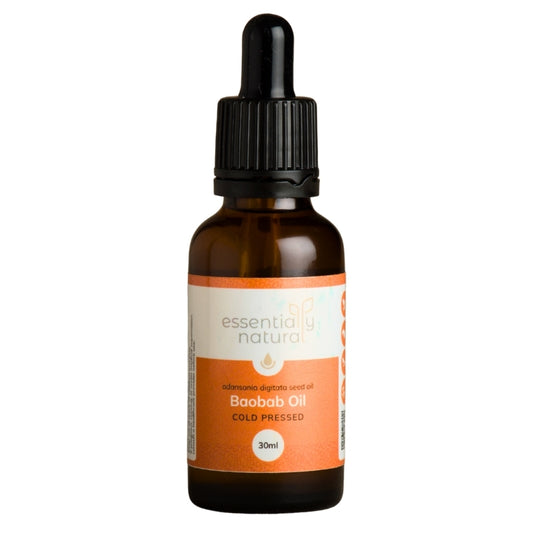
Baobab Oil (Cold Pressed) - Essentially Natural
Regular price from R69.00Regular priceUnit price per -
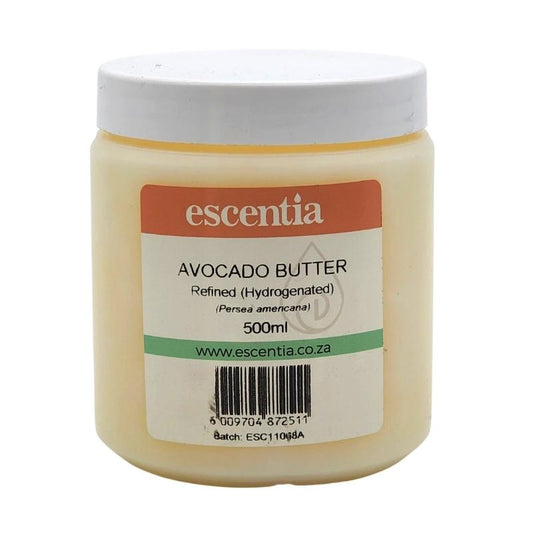
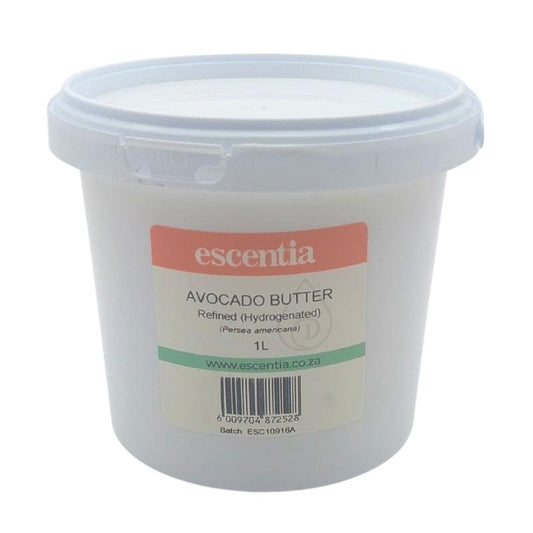
Escentia Avocado Butter - Refined
Regular price from R345.00Regular priceUnit price per -
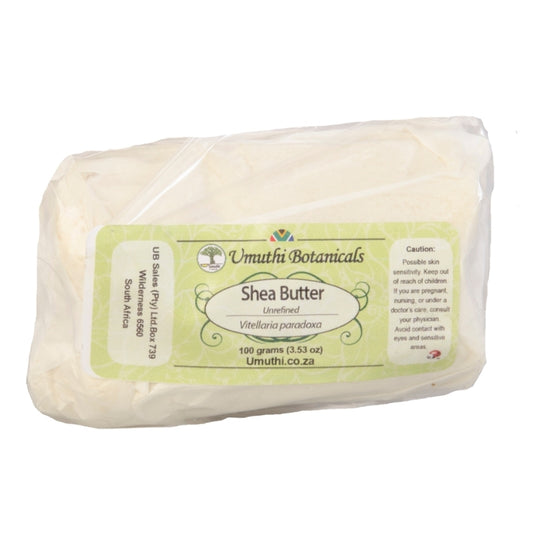
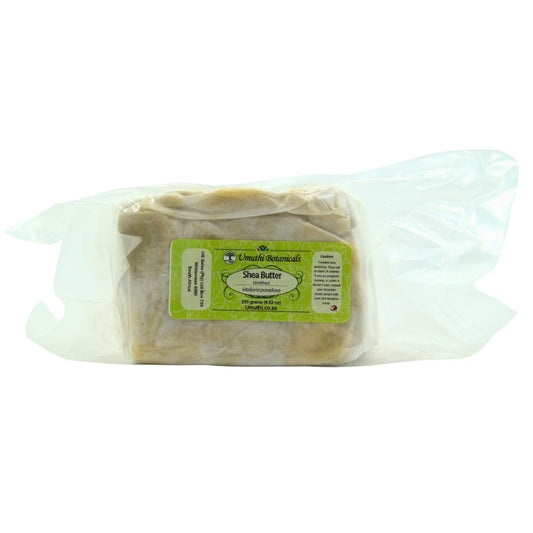
Umuthi Unrefined Shea Butter
Regular price from R109.00Regular priceUnit price per -
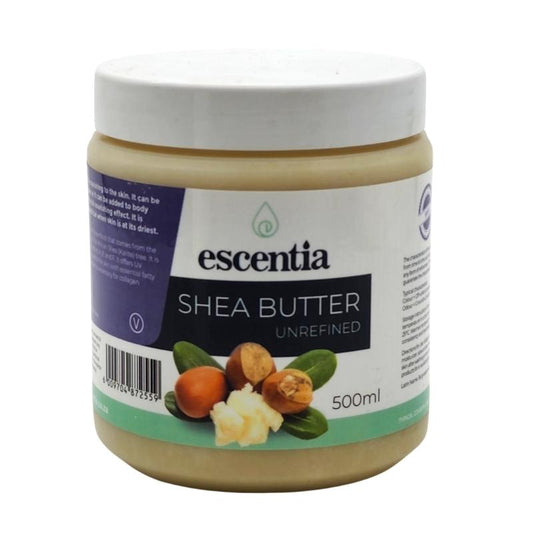
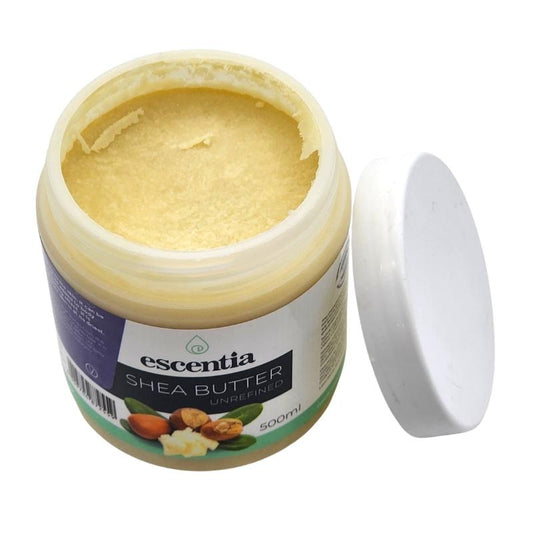
Escentia Shea Butter - Unrefined
Regular price from R369.00Regular priceUnit price per -
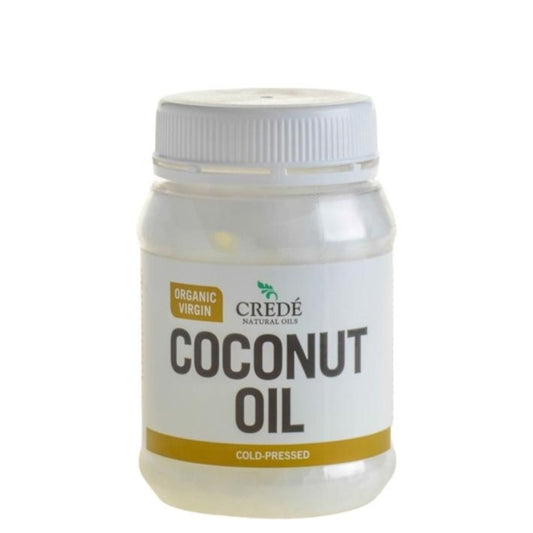
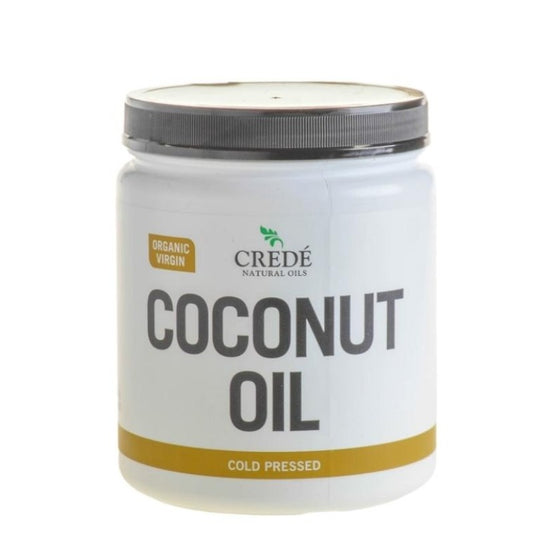
Credé Organic Virgin Coconut Oil
Regular price from R125.00Regular priceUnit price per -
Pure Beef Tallow
Regular price from R129.00Regular priceUnit price per -
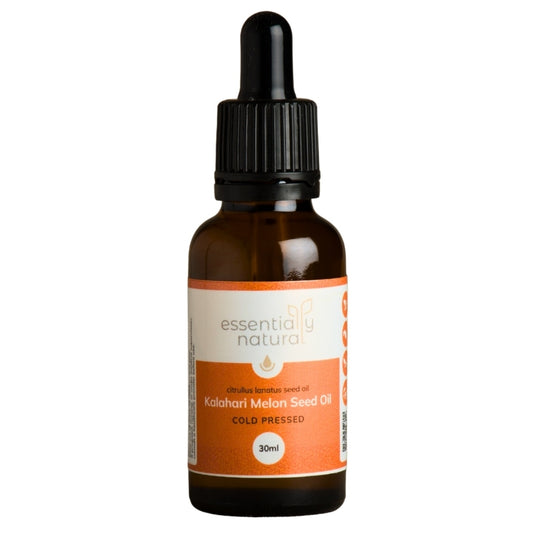
Kalahari Melon Seed Oil (Cold Pressed) - Essentially Natural
Regular price from R59.00Regular priceUnit price per -
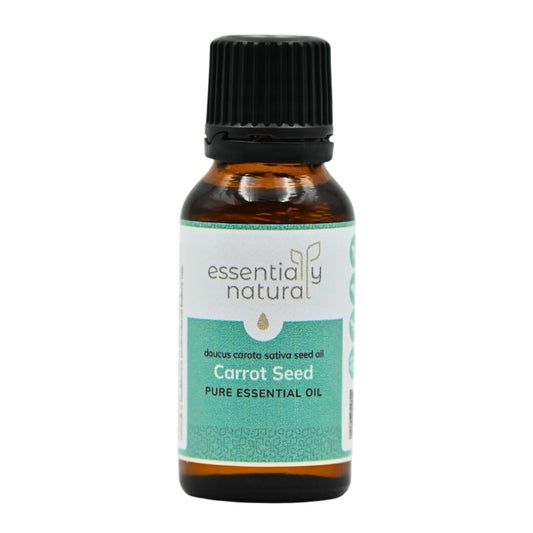
Carrot Seed Pure Essential Oil - Essentially Natural
Regular price from R109.00Regular priceUnit price perR0.00Sale price from R109.00 -
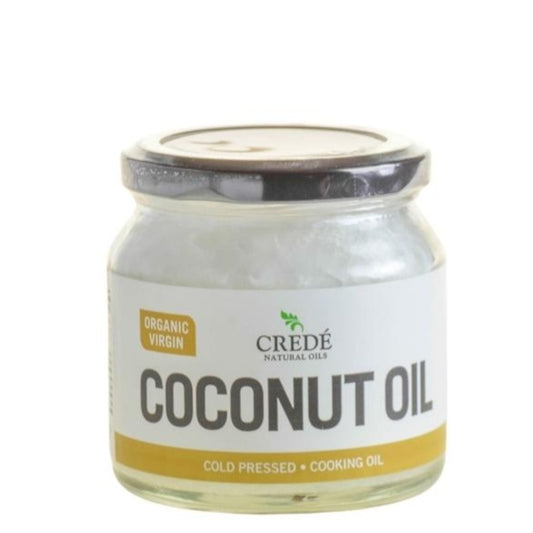
Credé Organic Virgin Coconut Oil (Glass Packaging)
Regular price from R95.00Regular priceUnit price per -
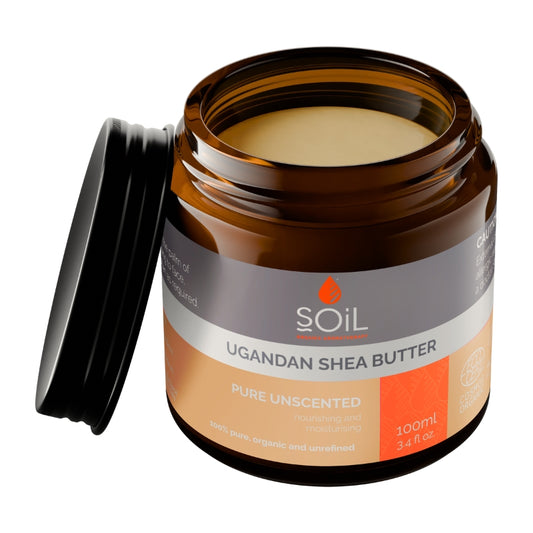
SOiL Organic Ugandan Shea Butter
Regular price R179.00Regular priceUnit price per -
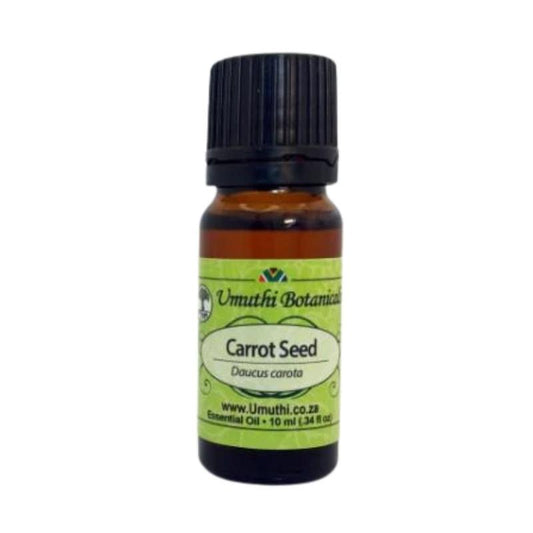
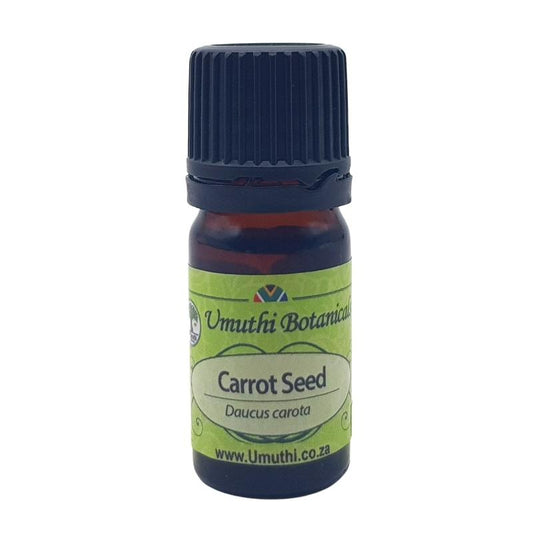
Umuthi Carrot Seed Pure Essential Oil
Regular price from R125.00Regular priceUnit price per -
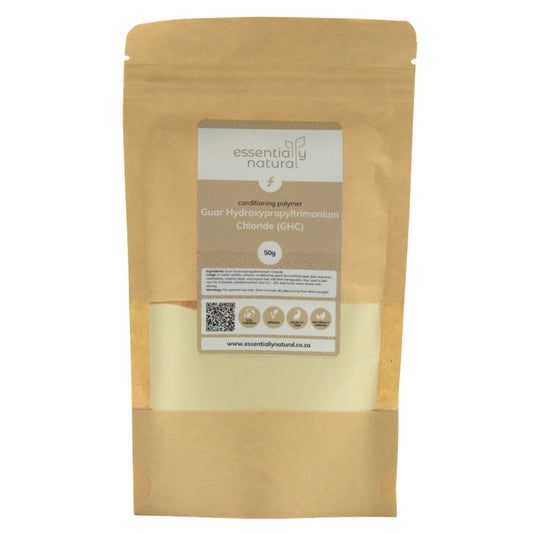
Guar Hydroxypropyltrimonium Chloride (Conditioning Polymer) - Essentially Natural
Regular price from R69.00Regular priceUnit price per -
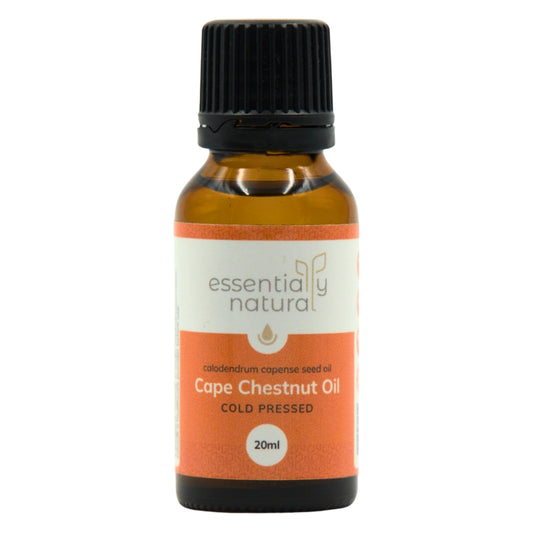
Cape Chestnut (Yangu) Seed Oil (Cold Pressed) - Essentially Natural
Regular price from R99.00Regular priceUnit price per -
Alpha-Bisabolol 95% (Soothing Cosmetic Active) - Essentially Natural
Regular price from R109.00Regular priceUnit price per -
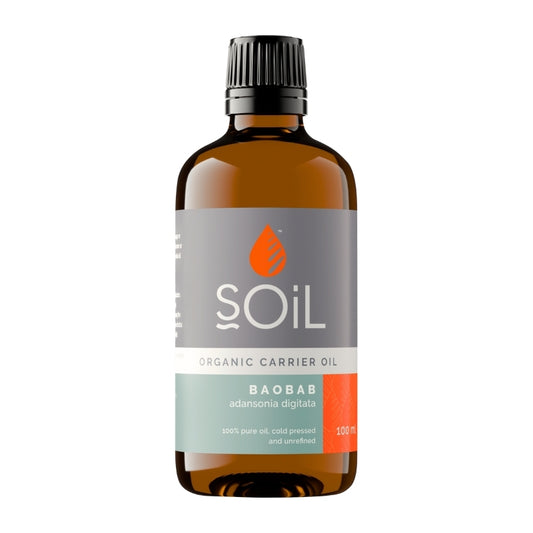
SOiL Organic Baobab Oil
Regular price R109.00Regular priceUnit price per -
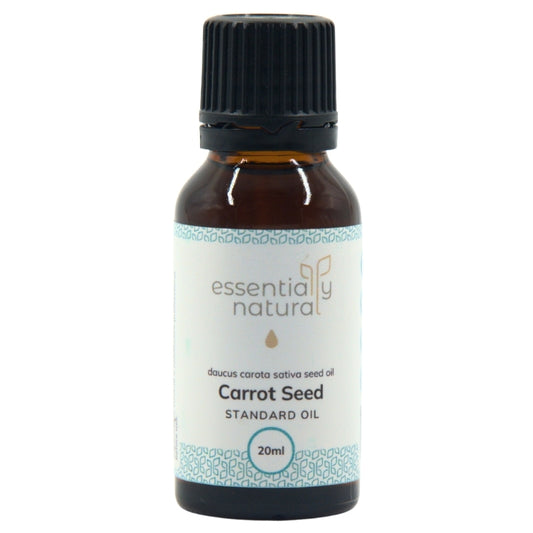
Carrot Seed Essential Oil (Standardised) - Essentially Natural
Regular price from R99.00Regular priceUnit price per -
Raw African Sea Moss
Regular price R319.00Regular priceUnit price per -
SOiL Natural Batana Shea Butter
Regular price R239.00Regular priceUnit price per -
Deodorised Tallow - Pure South African Beef Tallow
Regular price from R289.00Regular priceUnit price per

















Frequently Asked Questions
Answers to common questions about choosing and using Essentially Natural ingredients.
What kinds of ingredients are usually chosen for dry skin formulas?
Are oils enough on their own for dry skin?
Do dry skin formulas always need to be very thick?
Are butters always better than oils for dry skin?
Can dry skin products include exfoliating ingredients?
Dry and dehydrated skin can benefit from formulations designed to support moisture retention and strengthen the skin barrier.
Ingredients used in these formulations often focus on attracting moisture, reducing water loss and improving skin comfort.
These ingredients are commonly used in products such as:
- moisturising creams and lotions
- hydrating serums
- facial oils
- restorative masks
This collection highlights ingredients often used to create formulations that support hydration and skin softness.
