
-
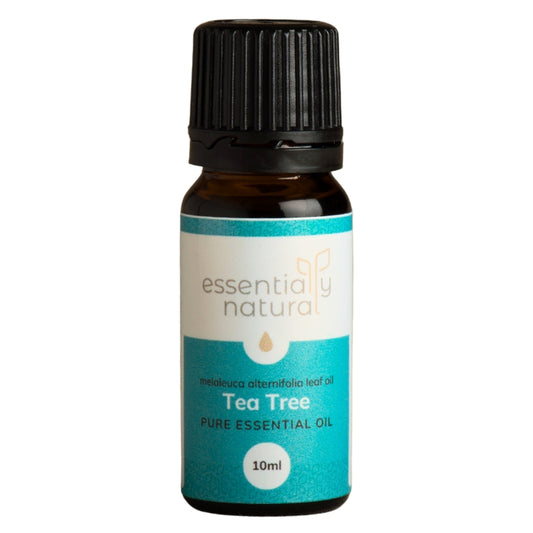
Tea Tree Pure Essential Oil (Melaleuca alternifolia) - Essentially Natural
Regular price from R 49.00Regular priceUnit price per -
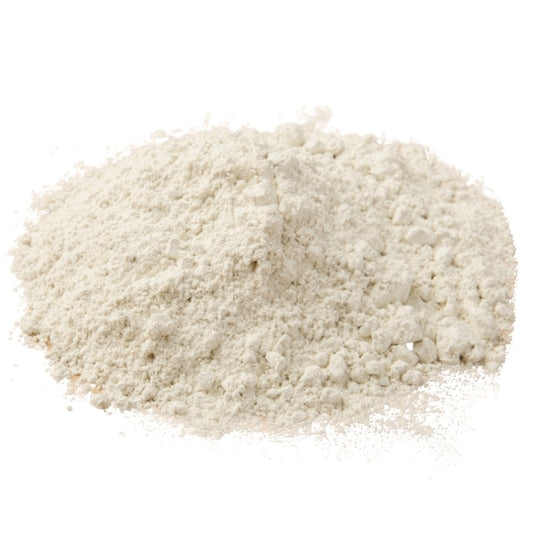
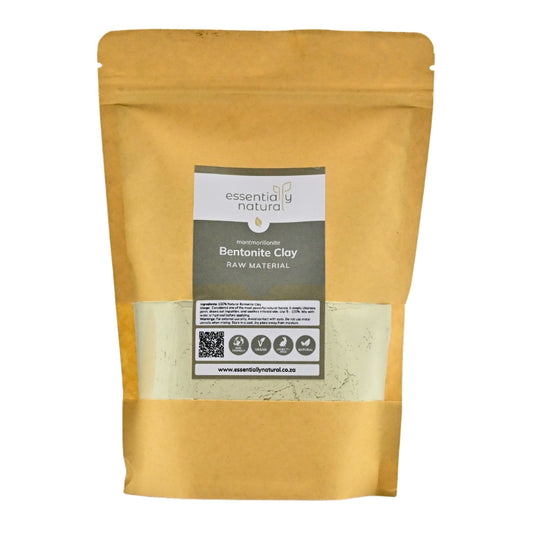
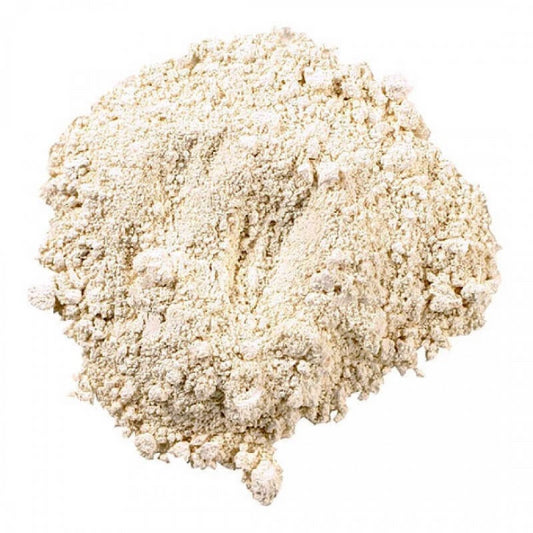
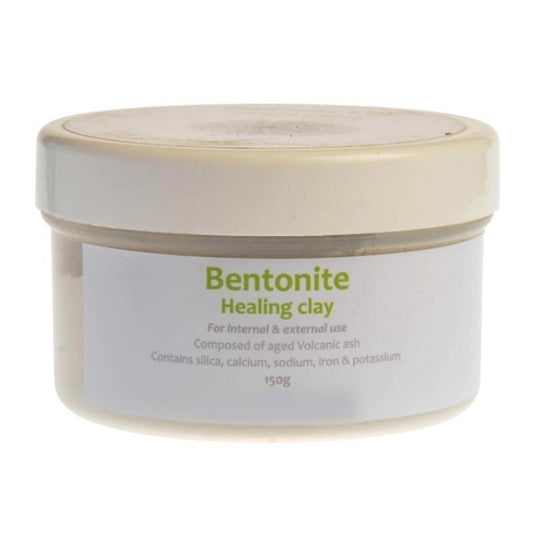
Bentonite Healing Clay - Essentially Natural
Regular price from R 49.00Regular priceUnit price per -
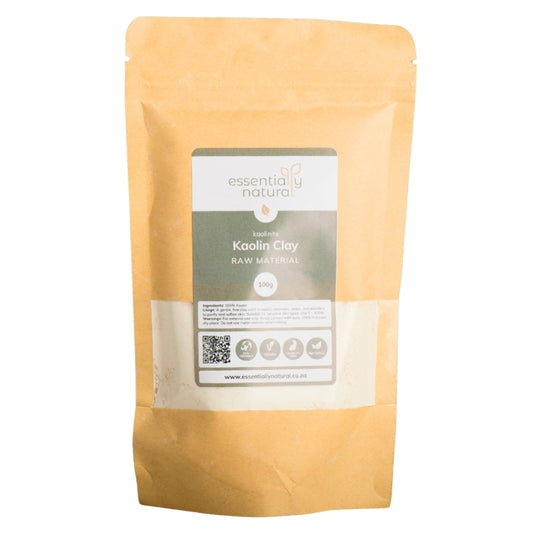
Kaolin Clay - Essentially Natural
Regular price from R 39.00Regular priceUnit price per -
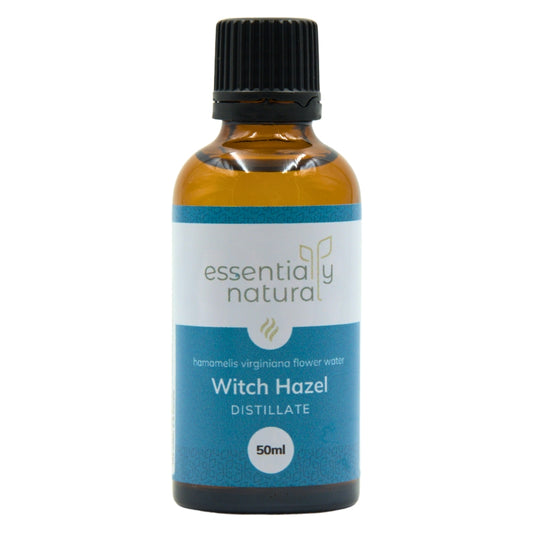
Witch Hazel Distillate - Essentially Natural
Regular price from R 49.00Regular priceUnit price per -
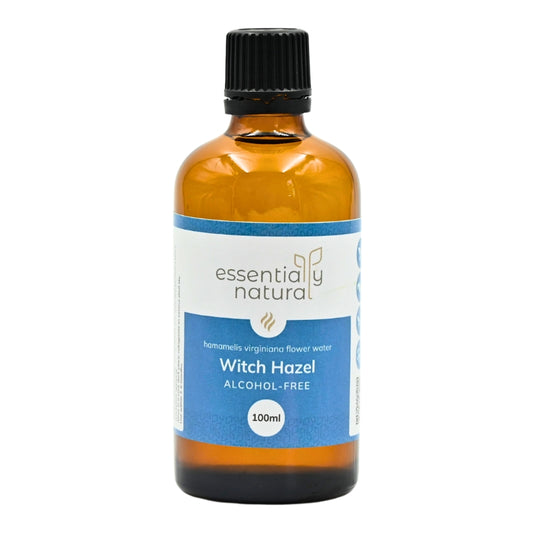
Witch Hazel Floral Water (Alcohol Free) - Essentially Natural
Regular price from R 59.00Regular priceUnit price per -
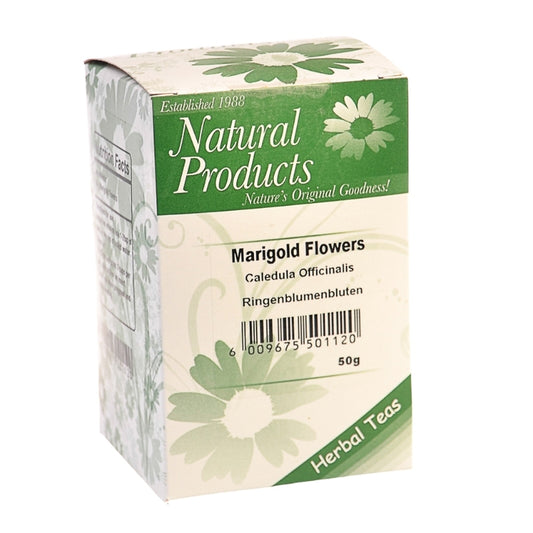
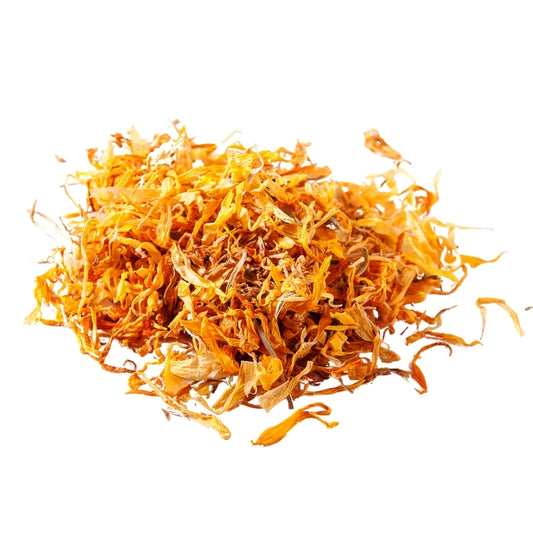
Marigold Flowers - 50g
Regular price R 95.00Regular priceUnit price per -
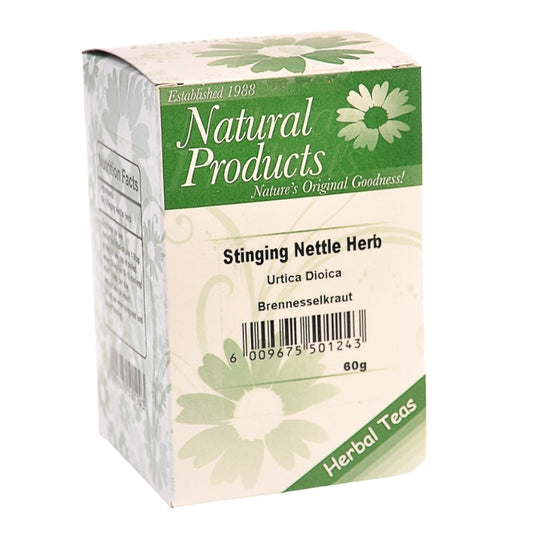
Stinging Nettle Herb Cut - 60g
Regular price R 89.00Regular priceUnit price per -
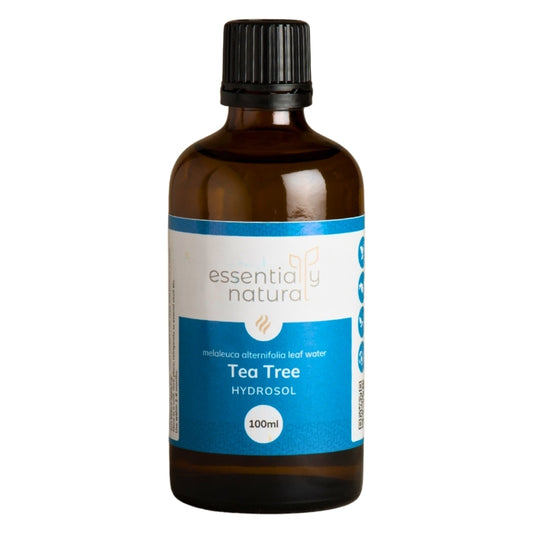
Tea Tree Hydrosol - Essentially Natural
Regular price from R 39.00Regular priceUnit price per -
Acne Fighting Astringent - Essentially Natural
Regular price from R 79.00Regular priceUnit price per -
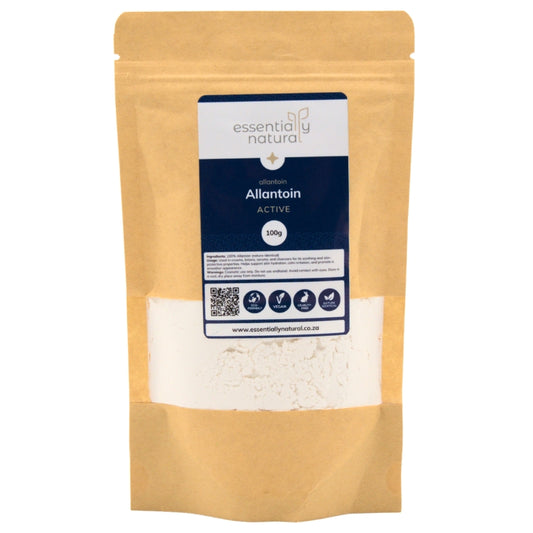
Allantoin - Essentially Natural
Regular price from R 20.00Regular priceUnit price per -
Nautica Organics Bentonite Healing Clay Powder
Regular price R 89.00Regular priceUnit price per -
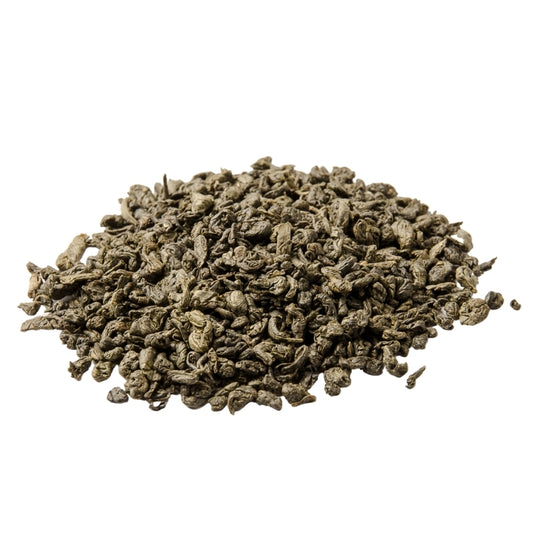
Green Tea Leaves Cut - 100g
Regular price R 165.00Regular priceUnit price per -
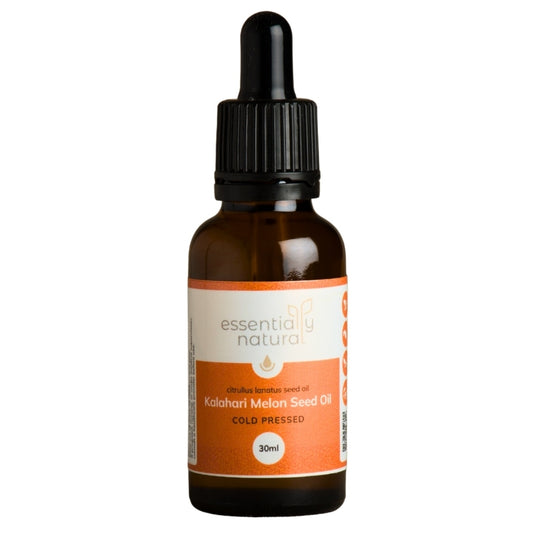
Kalahari Melon Seed Oil (Cold Pressed) - Essentially Natural
Regular price from R 50.15Regular priceUnit price perR 59.00Sale price from R 50.15Sale -
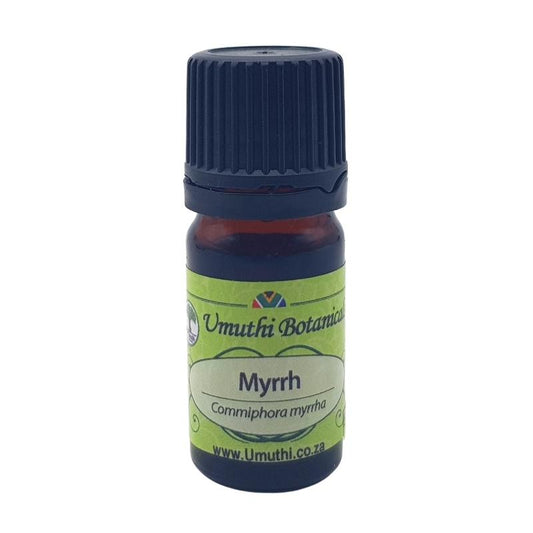
Umuthi Myrrh (Commiphora myrrha) Pure Essential Oil
Regular price from R 175.00Regular priceUnit price per -
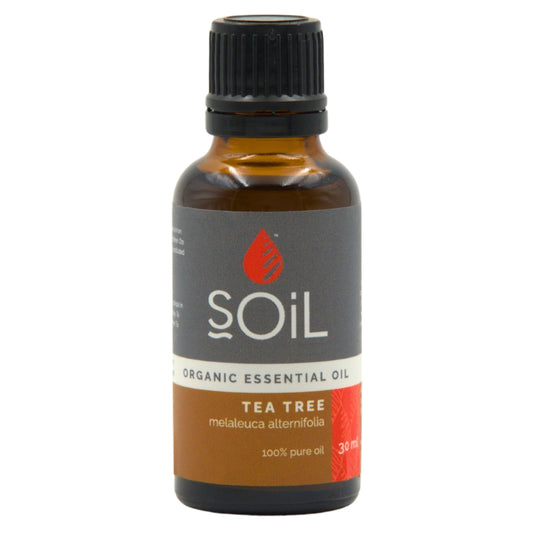
SOiL Organic Tea Tree Essential Oil
Regular price from R 69.00Regular priceUnit price per -
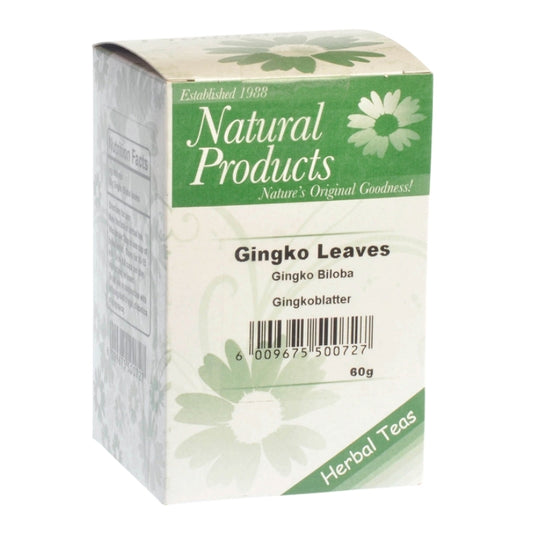
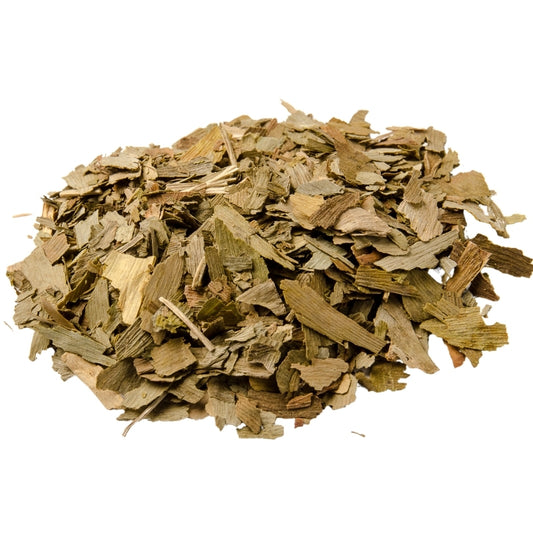
Ginkgo Leaves Cut - 60g
Regular price R 95.00Regular priceUnit price per -
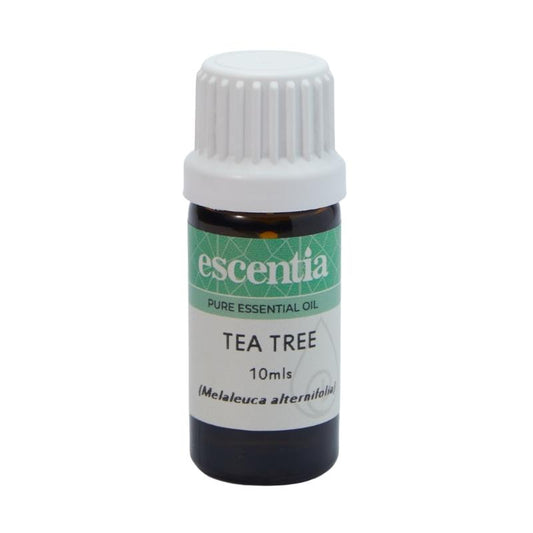
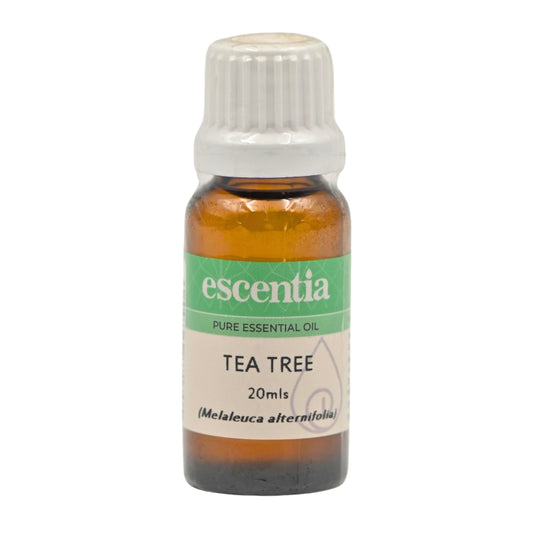
Escentia Tea Tree Pure Essential Oil
Regular price from R 65.00Regular priceUnit price per -
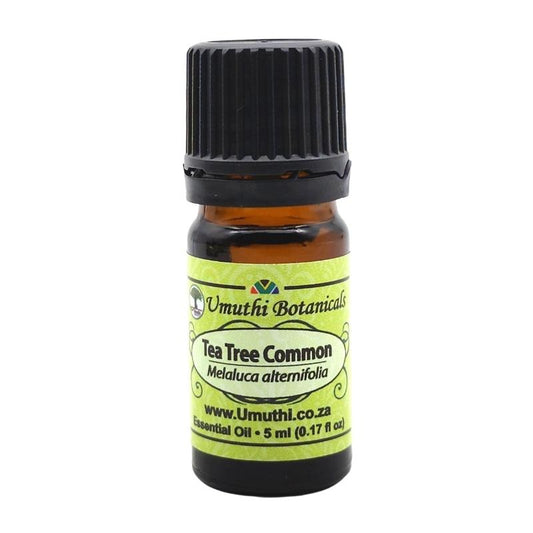
Umuthi Tea Tree Pure Essential Oil
Regular price from R 49.00Regular priceUnit price per -
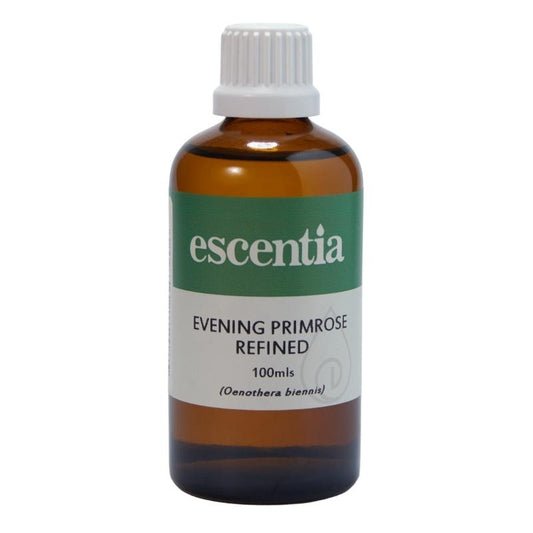
Escentia Evening Primrose Oil - Refined
Regular price from R 295.00Regular priceUnit price per -
 Sold out
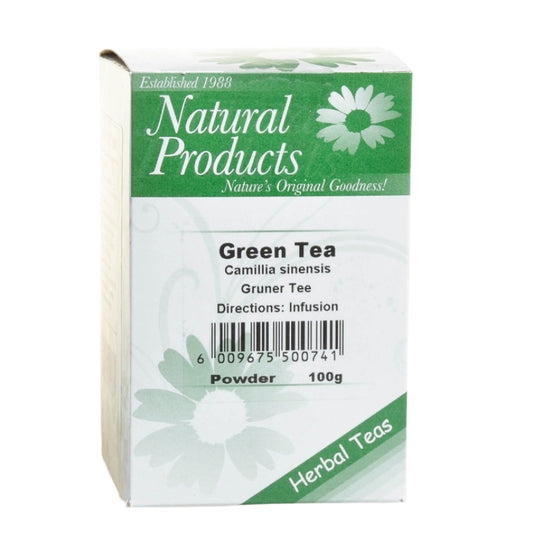
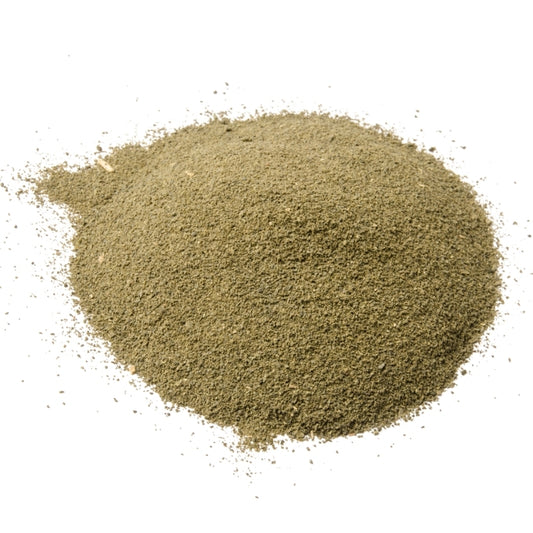
Green Tea Powder - 100g
Regular price R 165.00Regular priceUnit price per -
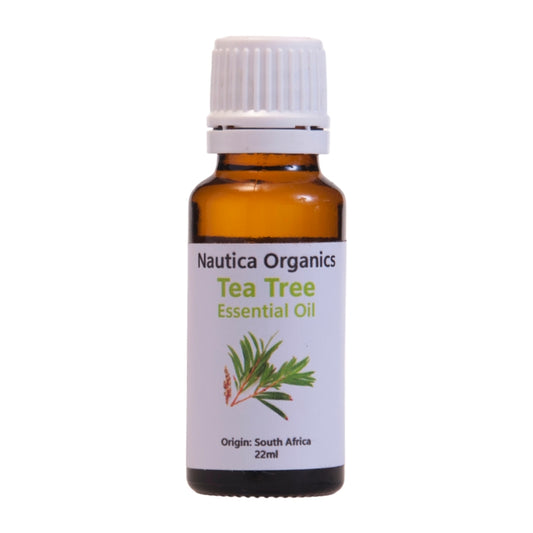
Nautica Organics Tea Tree Pure Essential Oil (22ml)
Regular price R 55.00Regular priceUnit price per -
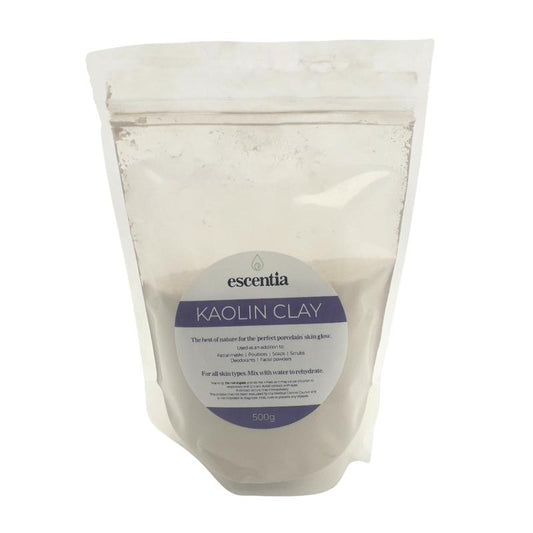
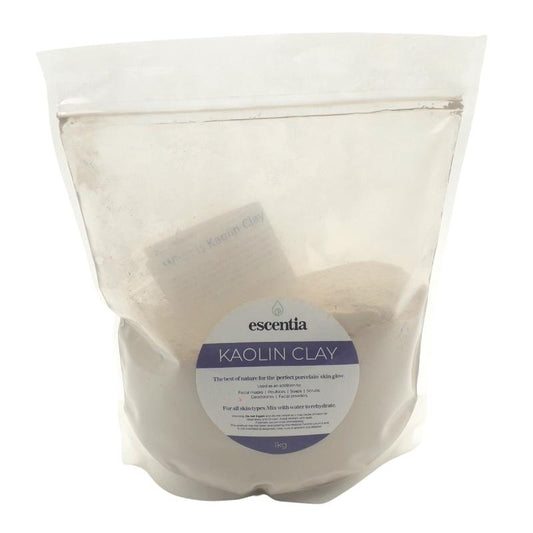
Escentia Kaolin Clay
Regular price from R 125.00Regular priceUnit price per -
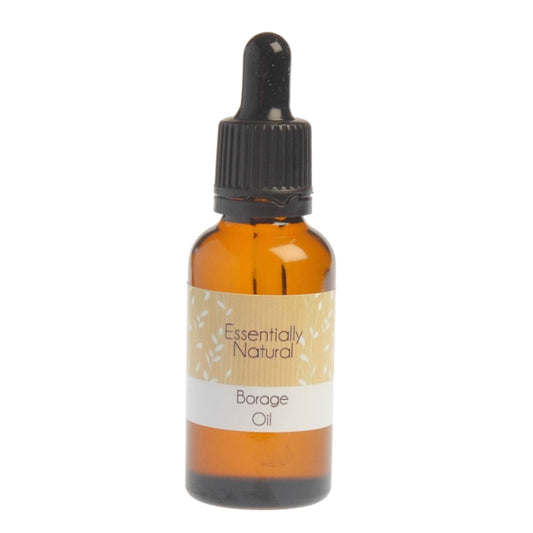
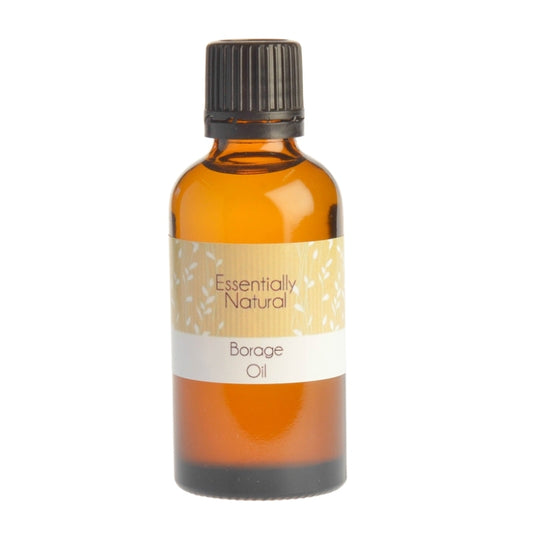
Borage Seed Oil (Cold Pressed) - Essentially Natural
Regular price from R 99.00Regular priceUnit price per -
SOiL Myrrh Essential Oil
Regular price R 219.00Regular priceUnit price per











Frequently Asked Questions
Answers to common questions about choosing and using Essentially Natural ingredients.
Should blemish-prone skin formulas always be oil-free?
What should I focus on when formulating for blemish-prone skin?
Do products for blemish-prone skin still need a moisturising element?
Can I add exfoliating acids to any blemish-prone skin formula?
Are gels always better than creams for blemish-prone skin?
Formulations for blemish-prone skin often focus on supporting skin balance while helping keep pores clear and reducing excess oil.
Ingredients used in these formulations may help promote gentle cleansing, support skin clarity and maintain a healthy skin environment.
These ingredients are commonly used in products such as:
- facial cleansers
- masks and treatments
- toners
- lightweight moisturisers
This collection includes ingredients frequently used when formulating products for skin that is prone to breakouts or congestion.