
-
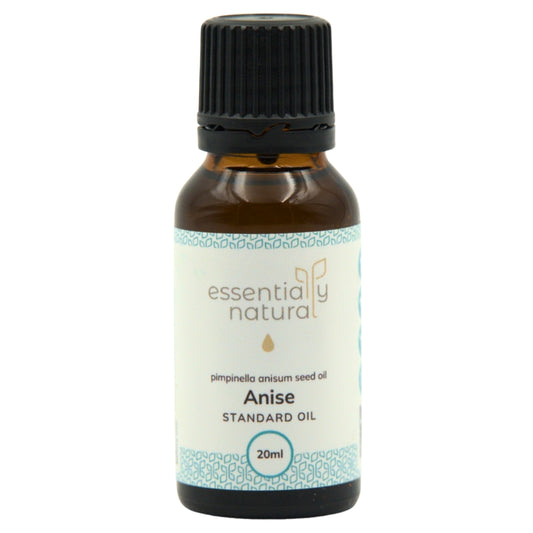
Anise Essential Oil (Standardised) - Essentially Natural
Regular price from R 49.00Regular priceUnit price per -
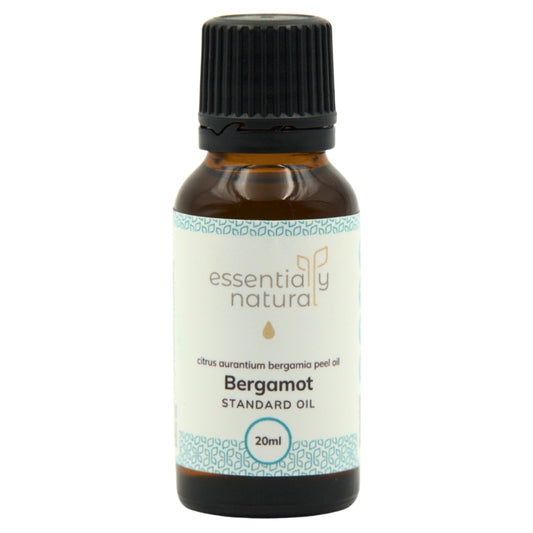
Bergamot Essential Oil (Standardised) - Essentially Natural
Regular price from R 89.00Regular priceUnit price per -
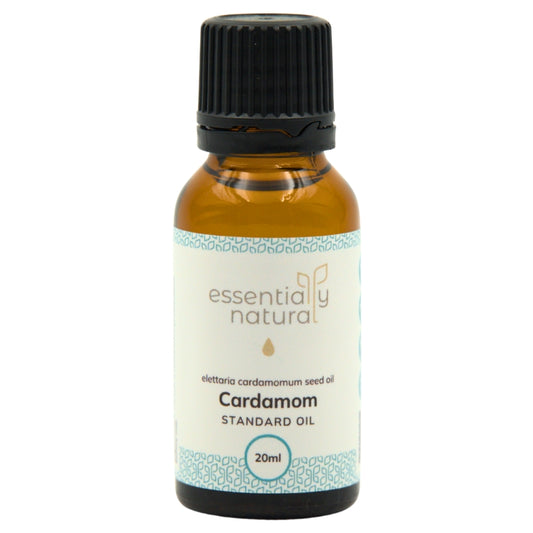
Cardamom Essential Oil (Standardised) - Essentially Natural
Regular price from R 49.00Regular priceUnit price per -
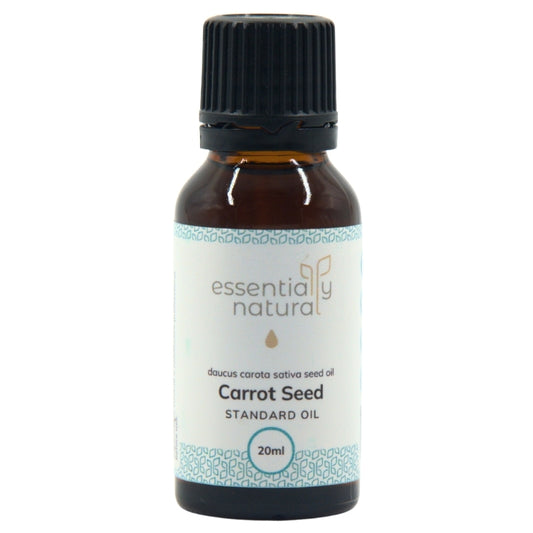
Carrot Seed Essential Oil (Standardised) - Essentially Natural
Regular price from R 99.00Regular priceUnit price per -
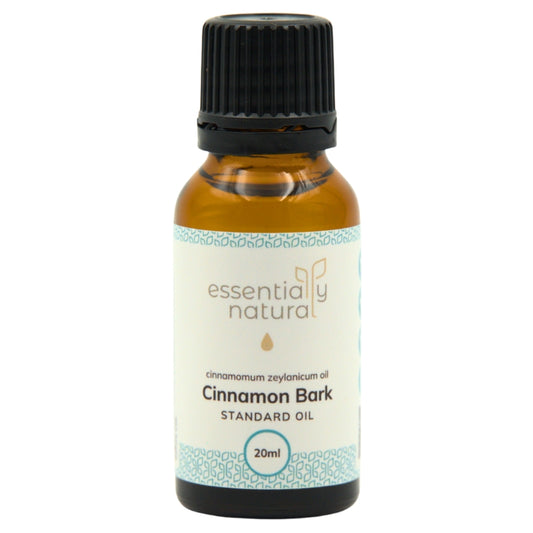
Cinnamon Bark Essential Oil (Standardised) - Essentially Natural
Regular price from R 49.00Regular priceUnit price per -
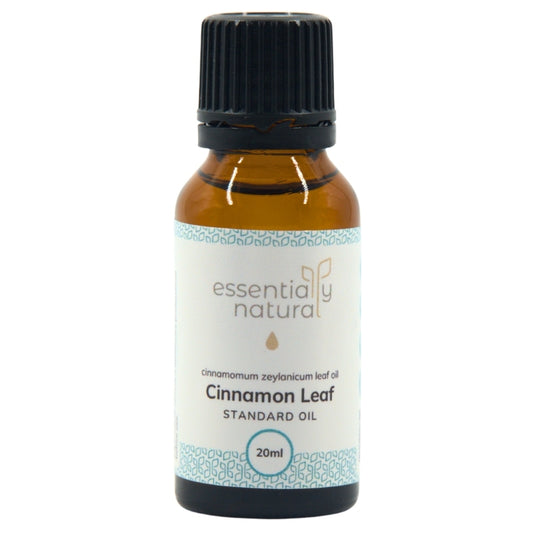
Cinnamon Leaf Essential Oil (Standardised) - Essentially Natural
Regular price from R 39.00Regular priceUnit price per -
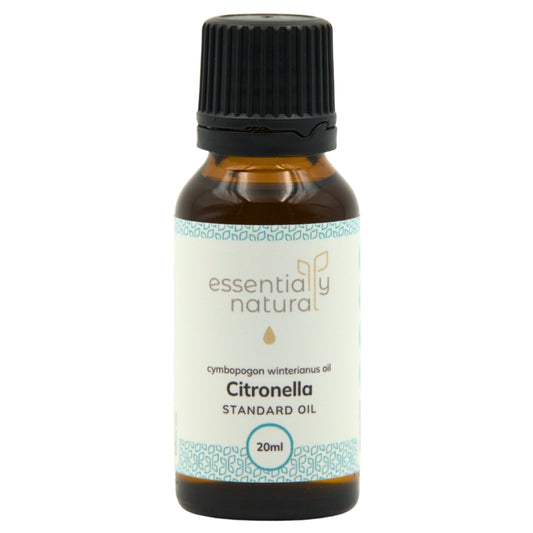
Citronella Essential Oil (Standardised) - Essentially Natural
Regular price from R 39.00Regular priceUnit price per -
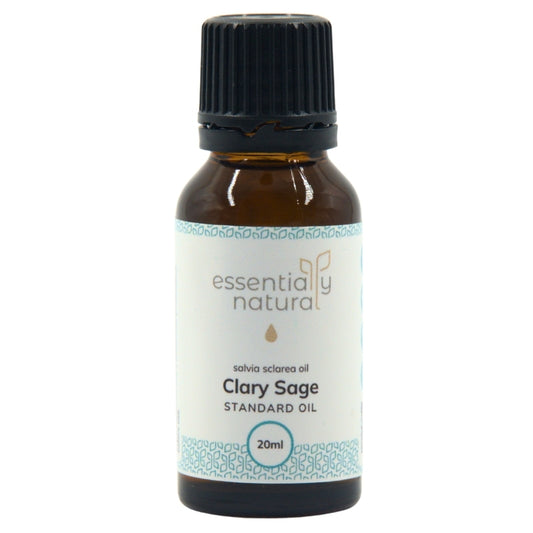
Clary Sage Essential Oil (Standardised) - Essentially Natural
Regular price from R 109.00Regular priceUnit price per -
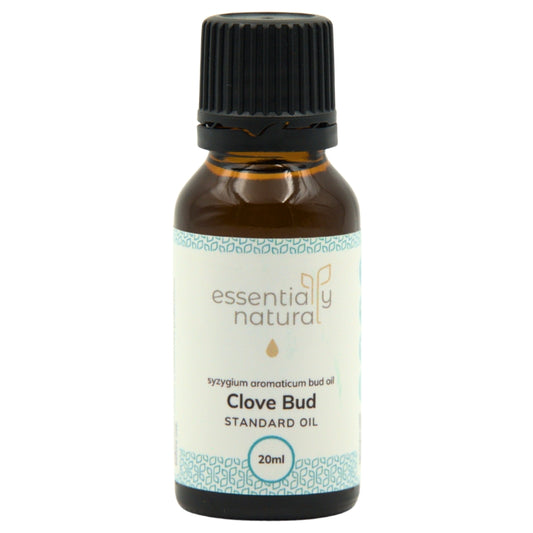
Clove Bud Essential Oil (Standardised) - Essentially Natural
Regular price from R 39.00Regular priceUnit price per -
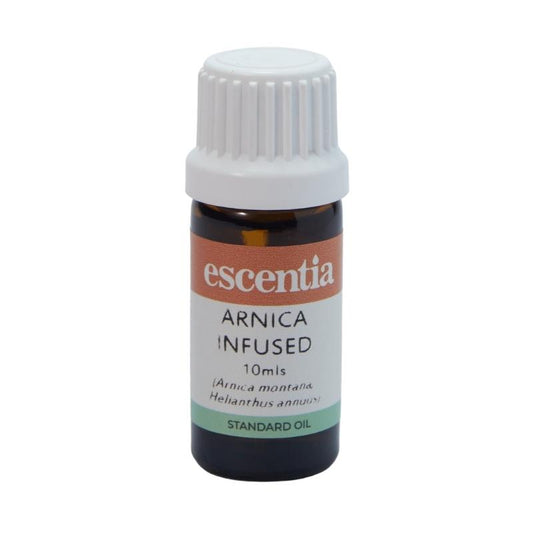
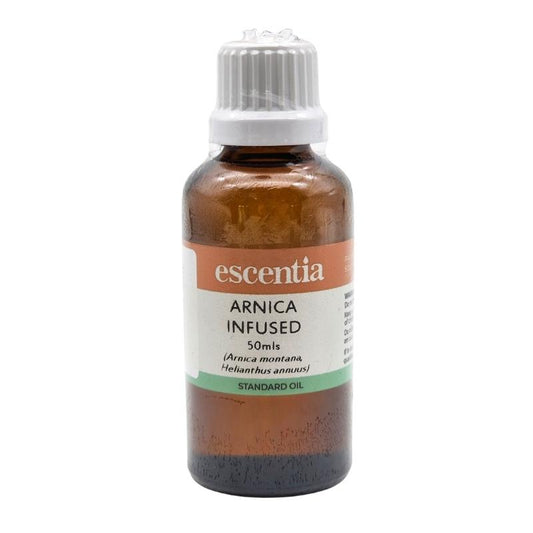
Escentia Arnica Infused Oil - Standardised
Regular price from R 69.00Regular priceUnit price per -
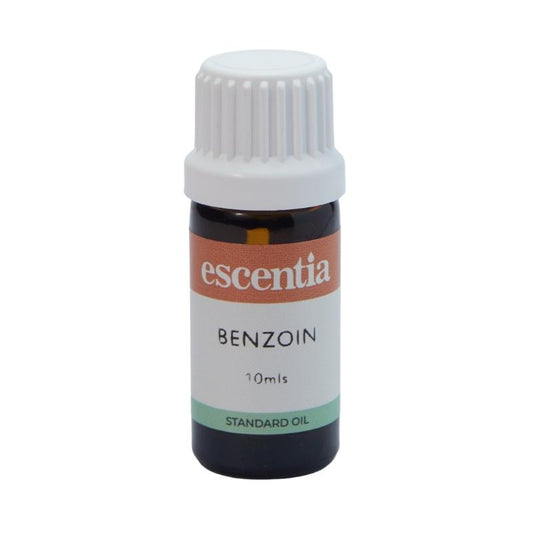
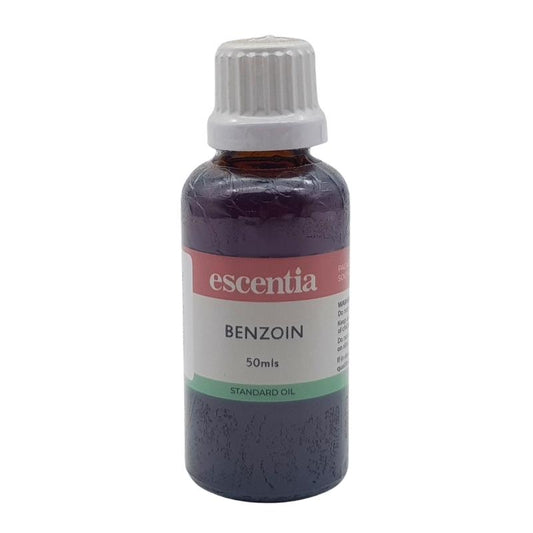
Escentia Benzoin Oil - Standardised
Regular price from R 109.00Regular priceUnit price per -
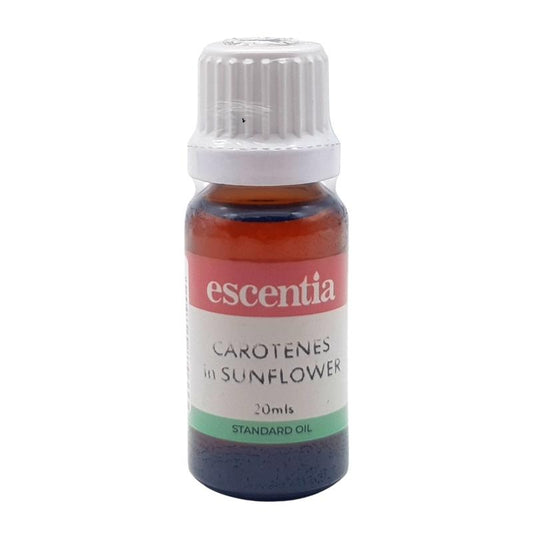
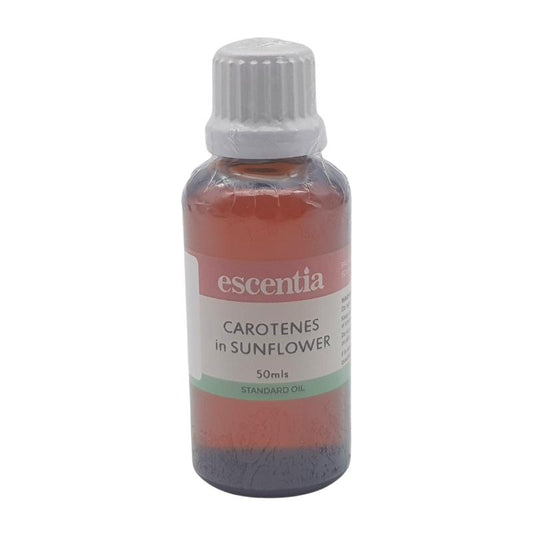
Escentia Carotenes Oil (Specialty Extract) - Standardised
Regular price from R 99.00Regular priceUnit price per -
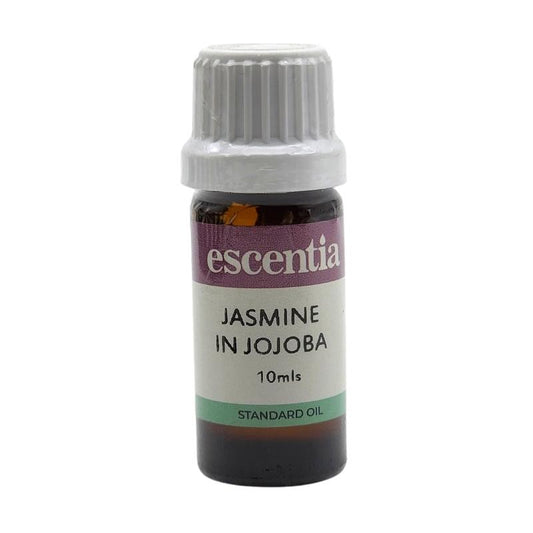
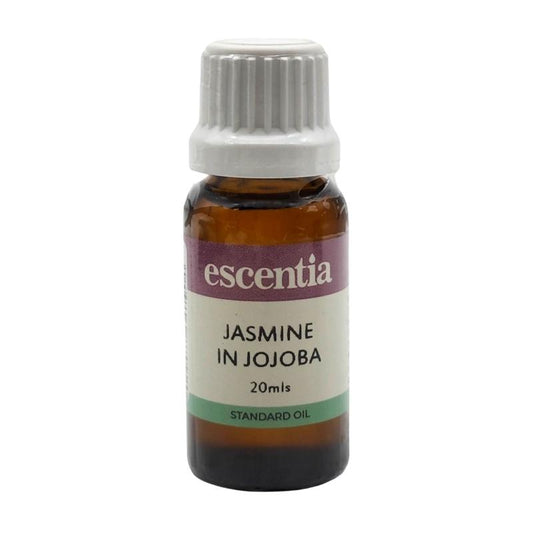
Escentia Jasmine (Standardised) & Jojoba Oil Blend
Regular price from R 155.00Regular priceUnit price per -
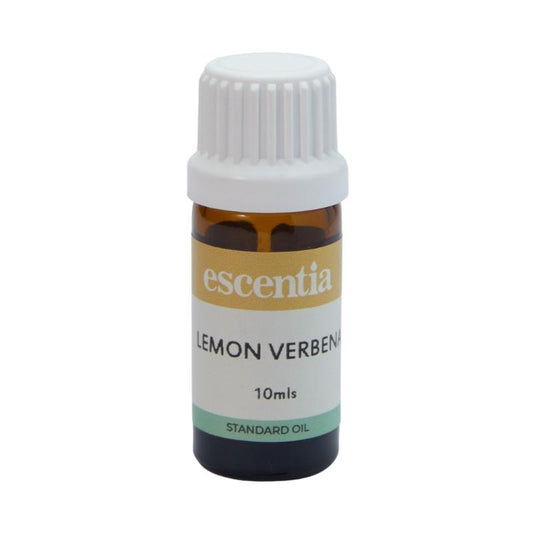
Escentia Lemon Verbena Essential Oil - Standardised
Regular price from R 85.00Regular priceUnit price per -
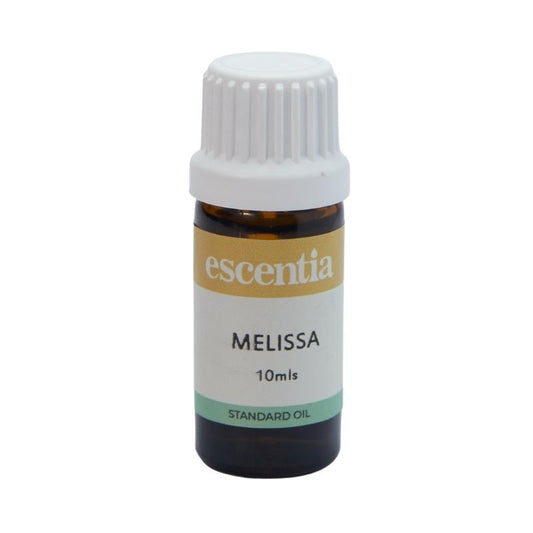
Escentia Melissa Essential Oil - Standardised
Regular price from R 85.00Regular priceUnit price per -
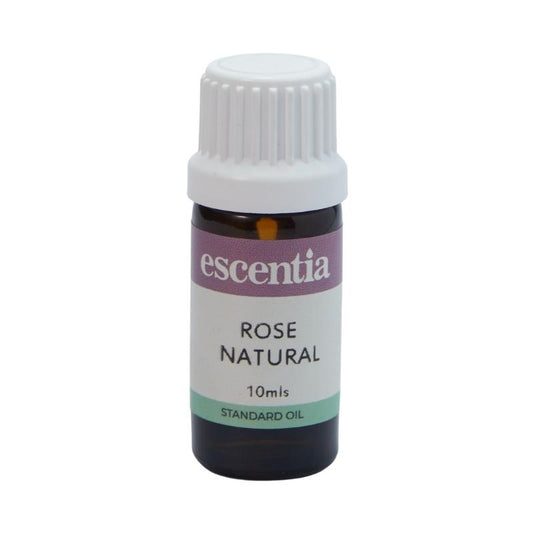
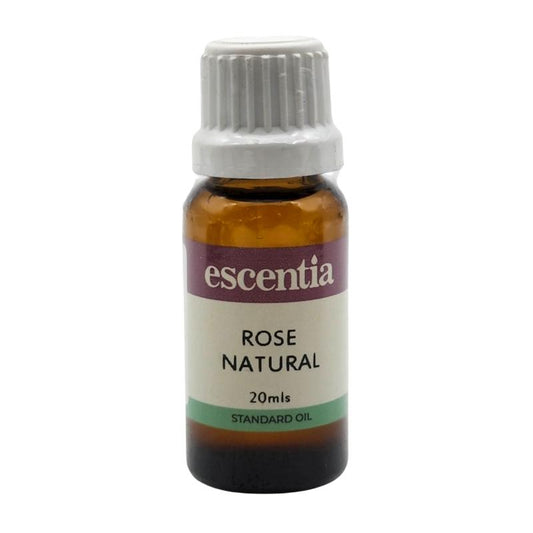
Escentia Natural Rose Blend Essential Oil - Standardised
Regular price from R 249.00Regular priceUnit price per -
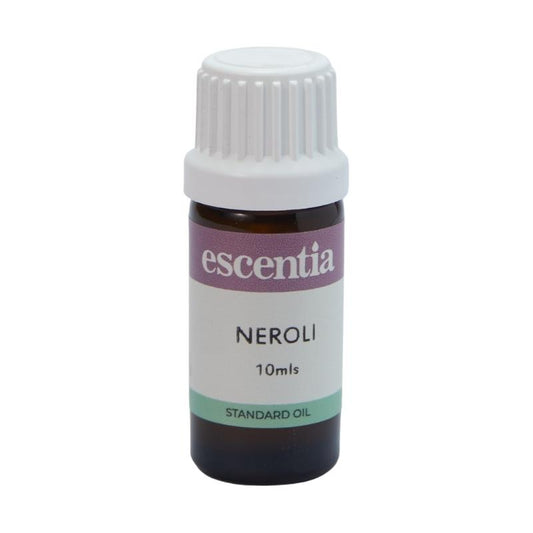
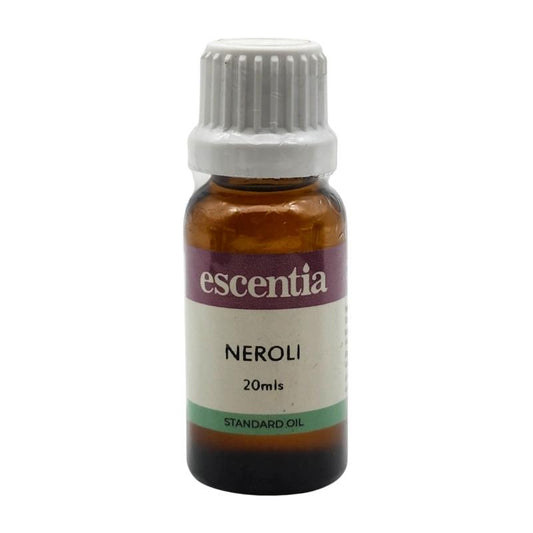
Escentia Neroli Essential Oil - Standardised
Regular price from R 145.00Regular priceUnit price per -
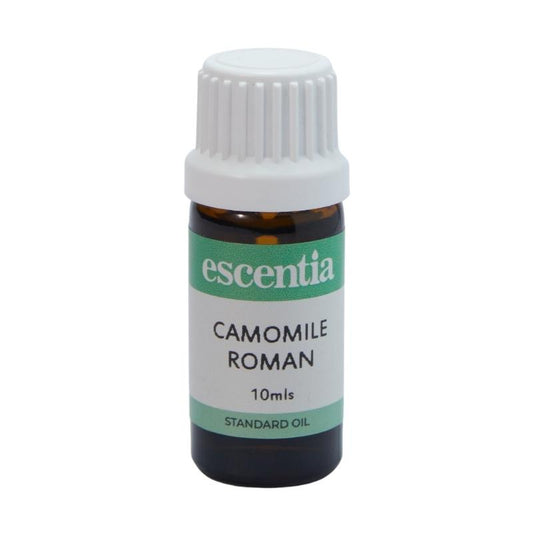
Escentia Roman Camomile Essential Oil - Standardised (Anthemis nobilis)
Regular price from R 349.00Regular priceUnit price per -
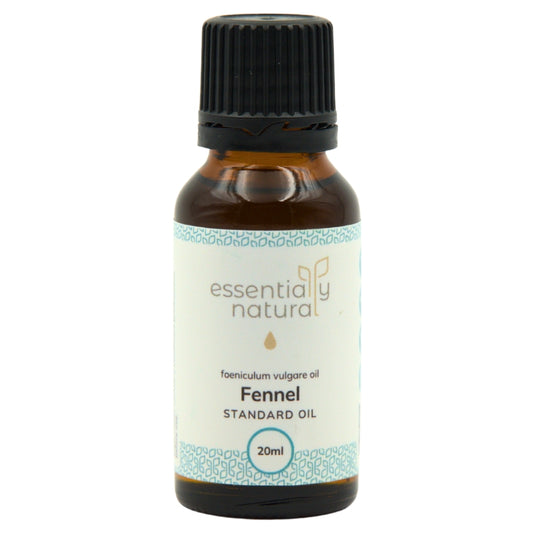
Fennel Essential Oil (Standardised) - Essentially Natural
Regular price from R 59.00Regular priceUnit price per -
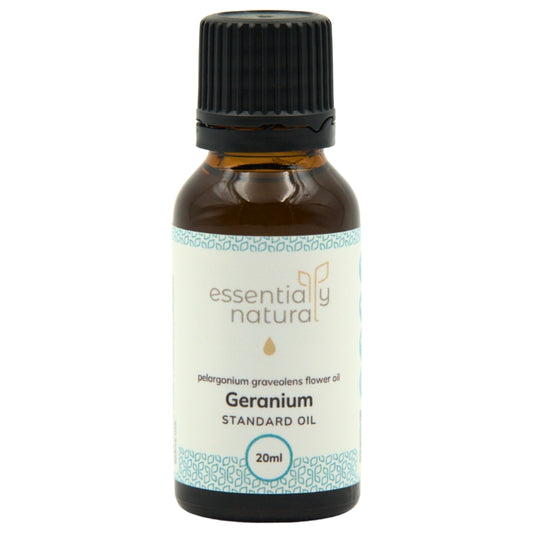
Geranium Essential Oil (Standardised) - Essentially Natural
Regular price from R 89.00Regular priceUnit price per -
Ginger Essential Oil (Standardised) - Essentially Natural
Regular price from R 109.00Regular priceUnit price per -
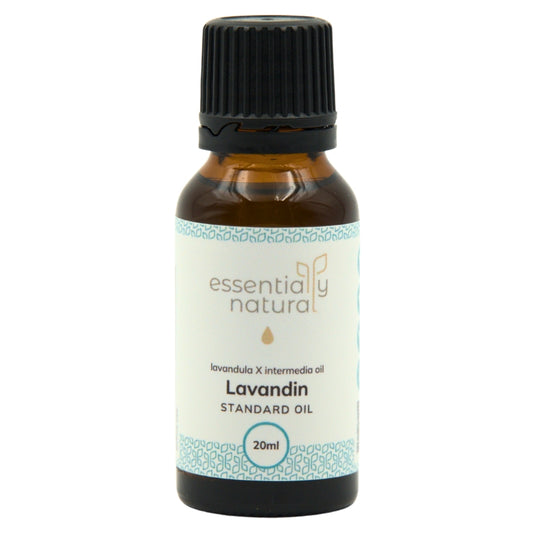
Lavandin Essential Oil (Standardised) - Essentially Natural
Regular price from R 49.00Regular priceUnit price per -
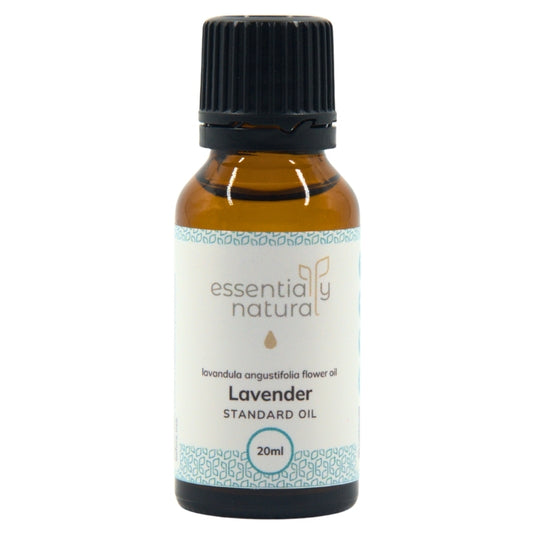
Lavender Essential Oil (Standardised) - Essentially Natural
Regular price from R 59.00Regular priceUnit price per -
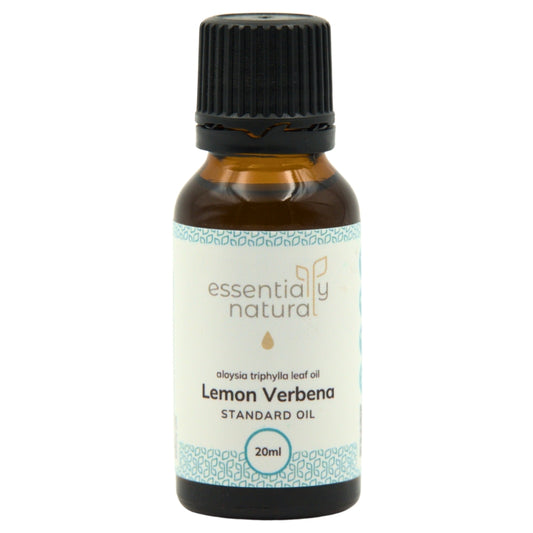
Lemon Verbena Essential Oil (Standardised) - Essentially Natural
Regular price from R 49.00Regular priceUnit price per















Frequently Asked Questions
Answers to common questions about choosing and using Essentially Natural ingredients.
What does “standardised essential oils” mean?
Are standardised essential oils still natural?
How are standardised essential oils different from pure essential oils?
Are standardised essential oils suitable for diffusers?
Can I apply standardised essential oils directly to the skin?
Standardised essential oils are pure essential oils produced by blending multiple species of the same plant in order to achieve a consistent and reliable aroma profile.
Unlike single-species essential oils, which can vary naturally in aroma due to factors such as climate, soil conditions, rainfall, and harvest timing, standardised essential oils are blended to maintain a consistent scent from batch to batch. This makes them particularly useful in applications where aroma consistency is important, such as product formulation or repeat manufacturing.
Standardised essential oils remain 100% pure essential oils. They are not diluted, extended, or synthetically altered in any way. The only difference lies in the selection of plant species used to achieve a stable and predictable aromatic profile.