
-
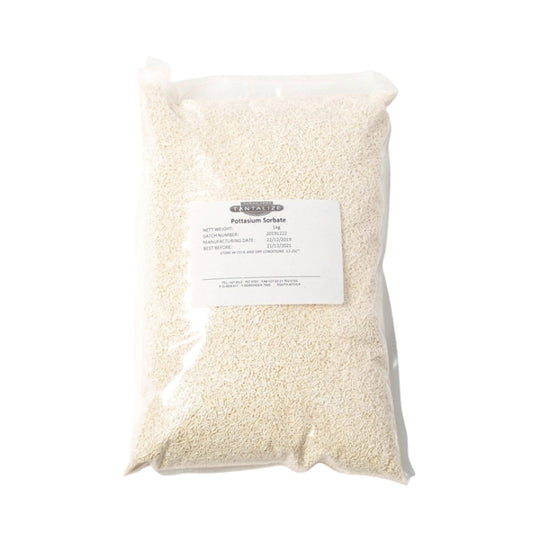
CFI Potassium Sorbate - Food Grade (1kg)
Regular price R289.00Regular priceUnit price per -
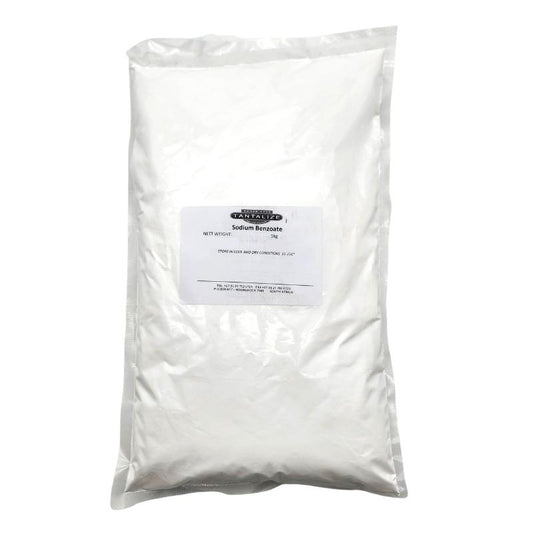
CFI Sodium Benzoate - Food Grade (1kg)
Regular price R109.00Regular priceUnit price per -
CFI Ascorbic Acid Vitamin C Powder - Food Grade (1kg)
Regular price R445.00Regular priceUnit price per -
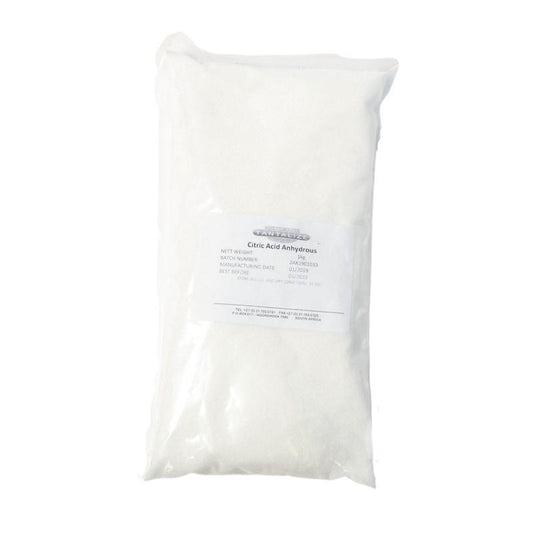
CFI Citric Acid Anhydrous - Food Grade (1kg)
Regular price R159.00Regular priceUnit price per -
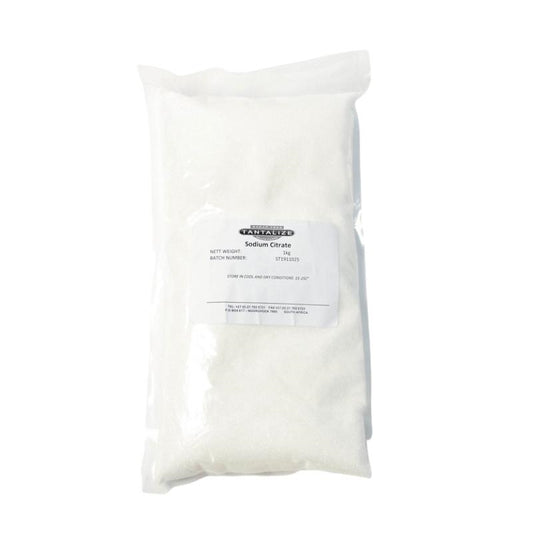
CFI Sodium Citrate - Food Grade (1kg)
Regular price R195.00Regular priceUnit price per -
CFI Citric Acid Monohydrate - Food Grade (1kg)
Regular price R145.00Regular priceUnit price per
Frequently Asked Questions
Answers to common questions about choosing and using Essentially Natural ingredients.
What are food grade preservatives used for?
Does “food grade” mean the preservative can be used in food?
Are food grade preservatives ready to use on their own?
Can I use more preservative to make a product last longer?
Do food grade preservatives change the taste, smell, or texture of a product?
This collection features quality food-grade ingredients commonly used to support the safety and stability of foods by helping to reduce spoilage and slow oxidation.
Potassium sorbate and sodium benzoate are classic antimicrobial preservatives used in acidified foods such as sauces, jams, fermented products and condiments.
Ascorbic acid (vitamin C) and citric acid are natural food-safe additives that can support preservation by acting as antioxidants and pH regulators, helping inhibit colour changes and supporting microbial control in some applications.
All ingredients in this collection are supplied as food-grade culinary ingredients. Always ensure appropriate use levels and compliance with local food safety guidelines when adding these substances to food formulations.
