What Is a Glycerite? Uses, Benefits and Formulation Tips for Skincare and Haircare
9 min read Aiden van Wyk
In this guide, you’ll learn:
- what a glycerite is and how it differs from oil or alcohol extracts
- which plant compounds glycerine extracts well (and which it doesn’t)
- how to use glycerites in skincare, haircare and bath products
- recommended usage rates and formulation tips
- when to choose a glycerite over other extract types
A classic humectant with the added benefit of botanical support – here’s what a glycerite actually is, what it extracts (and what it doesn’t), and how to use glycerites in skincare, haircare and even bath formulations.
What Is A Glycerite?
Glycerites are viscous liquid extracts made using vegetable glycerine as the main solvent, usually combined with a small amount of water to improve diffusion through the plant.
This glycerine–water system selectively extracts water-soluble plant compounds, including:
- Polyphenols and phenolic acids
- Flavonoids (many times you’ll find them as glycosides)
- Tannins
- Saponins
- Sugars
- Mucilage and other polysaccharides
What it does not extract well are strongly lipophilic (i.e. oil-soluble) compounds like:
- Resins
- Essential oil components (terpenes)
- Carotenoids
- Resin acids (like boswellic acids)
For those, an ethanol extract, oil maceration, or CO₂ extract would be more effective.
In other words, glycerites are selective extracts, not incomplete ones. Every solvent has strengths and limitations – glycerine favours the water-friendly side of plants.
What Are Polyphenols And Phenolic Acids?
Polyphenols are a broad family of plant antioxidants, including familiar names like catechins and tannins.
In skincare, these can:
- Provide antioxidant support
- Reduce the visible effects of environmental stress
- Add mild astringency
- Supports overall formula stability through minor amounts of metal chelation
Some polyphenols can absorb UV light, although a minor amount (so they are no replacement for a sunscreen).
What Are Flavonoid Glycosides?
Flavonoids are plant compounds bound to sugars (glycosides). Examples include quercetin, apigenin and luteolin.
These offer antioxidant properties, calming and soothing benefits as well as supporting an even and healthy-looking complexion
What Are Saponins?
Saponins are amphiphilic glycosides – big word, but think of saponins as the plant world’s soap-like molecules. One end of a saponin likes water and the other end likes oil, so it can grab a little oil and help it mix into water.
At low levels in a glycerite, they can:
- Help disperse small amounts of oil
- Soften skin feel
They won’t turn a toner into a foaming cleanser - not at normal use levels - but they can subtly influence texture and solubility.
What Is Mucilage?
Mucilage is water-binding hydrocolloids that form films on the skin – which basically is a plant gel like the slippery, cushiony ones you get from marshmallow root, seaweeds, psyllium and flax seed. Mucilage dissolves into the glycerine/water mix and turns into a silky, water-holding film on the skin.
In formulas it adds immediate comfort – reducing skin tightness – adds slip to products and can also add a touch of thickness to formulas.
What Glycerites Can’t Do
Hydroglycerol extracts are broad botanical infusions rather than standard, potent actives like niacinamide or caffeine powder. Their chemical profile depends on the plant used, extraction ratio and the processing method. The best way to think of them is as gentle, botanical additions rather than concentrated actives.
Why Formulators Like Glycerites
Glycerites are:
- Alcohol-free
- Generally gentle on skin
- More stable than a water extract
- Water-soluble
- Easy to add in cool-down
- Compatible with emulsions, gels and toners
- Naturally hydrating and supportive of the skin barrier
For formulators working with water-based products, especially those avoiding alcohol, they offer a simple way to include herbal extracts without destabilising the formula.
Do Glycerites Have Preservatives?
While most water-based products need added preservatives, the high concentration of glycerine reduces water activity and binds water. This suppresses microbial growth and oxidation. For this reason, it's common to find Glycerites preservative-free, dependent on how much water is added.
However, once incorporated into a finished formula – one with probably additional water - preservation is absolutely essential. Always formulate with a complete preservative system in your final product.
Botanical Glycerites & Extracts – Simplified
Antioxidant & Environmental Support
These glycerites are often chosen to help support the skin against everyday environmental exposure and oxidative stress.
- Green Tea – Rich in catechins like EGCG. Frequently used in lightweight serums and mildly acidic toners designed to clear and resilient skin.
- Rosemary – Valued for helping support skin exposed to environmental stress. A strong fit for revitalising and “pollution protection” blends.
- Blackcurrant – Brings antioxidant-rich plant pigments into formulas. Lovely in serums aimed at giving you a natural glow.
- Turmeric – Glycerine extracts favour the non-staining, water-soluble compounds of turmeric. Often chosen for its potent antioxidant-supportive qualities without the intense yellow tint of oil extracts.
- Hibiscus – Naturally rich in pigment and mild fruit acids. Adds antioxidant support with a subtly refining feel.
Brightening & Tone-Supporting Blends
These are commonly used in formulas aimed at promoting a more even-looking complexion.
- Liquorice Root – Popular in brightening blends for helping support a more even-looking skin tone. Often paired with other antioxidant extracts.
- Rosehip – Brings natural fruit acids and plant antioxidants into water-based formulas. A good fit for glow toners and revitalising serums.
Calming & Barrier-Supportive
Often included in formulas designed to comfort delicate, reactive, or stressed-looking skin.
- German Chamomile – Widely associated with soothing sensitive or redness-prone skin. A go-to for gentle everyday toners and creams.
- Calendula – Traditionally used to comfort dry, delicate or weather-stressed skin. Particularly suited to barrier-support creams.
- Gotu Kola – A favourite in barrier-focused skincare. Often included in barrier recovery serums aimed at supporting skin resilience.
- Frankincense – In glycerite form, you’re working with the gentler, water-soluble fractions. Typically used in calming formulas aimed at even-looking skin.
- Lavender – In glycerite form, this is less about scent and more about skin barrier support and natural balance in formulas.
Hydrating & Comfort-Focused
These glycerites are excellent in products and serums aimed at hydration.
- Bulbine frutescens – Often compared to aloe for its hydrating, cushioning feel. Excellent in moisture-focused serums and after-sun blends.
- Cucumber – Cooling, refreshing and hydration-supportive. Perfect for lightweight toners, eye-area gels and after-sun formulas.
Clarifying & Scalp-Focused
Often included in combination-skin and haircare formulations.
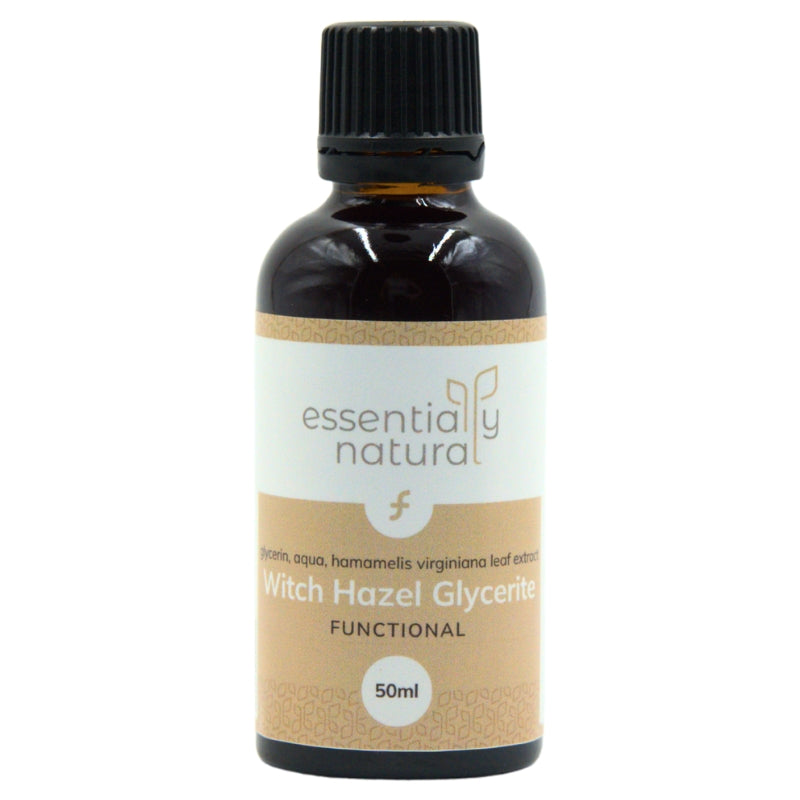
- Witch Hazel – Offers a pore refining and toning effect. Useful in combination-skin and scalp blends.
- Stinging Nettle – Commonly used in balancing blends for both skin and scalp. A natural fit for clarifying toners and strengthening hair serums.
Mineral-Rich & Revitalising Support
These extracts contribute trace minerals and humic compounds that are traditionally associated with strengthening and revitalising formulations.
- Shilajit – A mineral-rich glycerite containing fulvic and humic acids along with trace minerals. In skin-and-hair-care it supports antioxidant activity, help improve the appearance of tired or dull-looking skin, and contribute to overall skin resilience.
Can Glycerites Be Used in Haircare?
Absolutely.
In scalp serums, leave-in conditioners and detanglers, glycerites:
- Contributes a hydrating feel
- Add light slip
- Support scalp comfort
- Integrate easily into your water phase
Because they’re alcohol-free and water soluble, they’re especially useful in gentle scalp and hydration-focused formulations.
A Short Note On Internal Use; Can You Drink Glycerites?
Many glycerites sold for cosmetic formulation are produced for topical use only, and the manufacturing standards may differ from products intended for ingestion. For that reason, cosmetic-grade glycerites should not automatically be assumed safe to drink.
In herbal medicine, glycerites are also used as an alcohol-free alternative to herbal tinctures, and many are intended for internal use. Vegetable glycerine is generally food-safe and widely used in foods and beverages, which is why glycerites are sometimes prepared as liquid herbal supplements.
However, whether a glycerite can be consumed depends entirely on how it was made and what plant it contains.
When Glycerites Are Used Internally
When prepared specifically for herbal use, glycerites are sometimes taken in small diluted amounts as herbal extracts. They are particularly popular for:
- people avoiding alcohol-based tinctures
- children or individuals sensitive to alcohol
- herbs that extract well into water and glycerine
The specific effects depend entirely on the plant used, not the glycerite itself.
Typical Ways Herbal Glycerites Are Taken
Herbal glycerites intended for ingestion are usually taken in very small amounts diluted in water, often measured by the dropper.
Common approaches include:
- adding a few drops to water or tea
- mixing into juice
- placing diluted drops under the tongue
Exact amounts vary widely depending on the herb and the extract strength, so guidance from a qualified herbalist is always recommended.
When To Choose A Glycerite For Cosmetics (And When Not To)
Choose a glycerite when you want:
- Alcohol-free botanical inclusion
- Water-phase compatibility
- Gentle antioxidant, refining or soothing support
- Skin Barrier supportive ingredients
- Ease of use in DIY formulations
Consider alternative extracts when you want:
- Strongly oil extracted compounds
- Essential oil extractions
- Highly concentrated, standardised actives
Formulating With Glycerites
Glycerites Solubility
Glycerites are water-soluble and should be added to the water phase of your formulation. Because they are hydroglycerol extracts (typically high in glycerine), they integrate easily into:
Keep in mind that glycerites contribute additional glycerine to your formula. If you’re already using glycerine separately, you may want to reduce it slightly to avoid tackiness.
If you’re formulating with a gelling agent – or an ingredient that requires hydration first – it would be best to hydrate in pure glycerine first – as hydroglycerols can still cause small amounts of clumping.
Glycerites Usage Rate
Typical usage rates depend on the extract strength and desired effect, but generally:
- 1 – 3% for subtle botanical support
- 3 – 5% for functional inclusion in serums and creams
- Up to 10% in hydrating gels or botanical-focused formulas
- In a standard bath, 2 tablespoons add a slightly hydrating feel, while going up to 4 tablespoons adds a more powerful botanical component. Remember that adding very large amounts can make the bath slightly slippery, so staying within the tablespoon range is generally more pleasant.
- For foot soaks, 1-2 teaspoons would be sufficient
Because most glycerites are around 80% glycerine, higher use amounts will noticeably increase humectancy and viscosity.
Always account for total glycerine amount in your formula to avoid an overly sticky feeling.
Are Glycerites Heat Sensitive?
While glycerine itself is heat stable, glycerites contain delicate plant compounds. For best results, add them during the cool-down phase (below 40–45°C) to help preserve colour, scent and the power of the compounds.
If you need to, small exposures to brief moments of emulsification temperatures are unlikely to cause huge amounts of degradation - but extended high-heat holds are best avoided.
Ingredients That Combine Well With Glycerites
Glycerites layer beautifully with:
- Humectants like Sodium Lactate, Aloe Vera, Bulbinella, and / or Hyaluronic Acid – to enhance hydration systems
- Barrier-supporting ingredients like Panthenol and / or Allantoin – for calming and comfort-focused formulas
- Antioxidants like Vitamin E (oil phase) or Ferulic Acid – to strengthen environmental support blends
- Lightweight oils in emulsions – to balance humectancy with emollience
They’re especially useful when you want to add botanicals without introducing alcohol or making your product more unstable by adding teas.
What Kind Of Products To Add Glycerites To
Glycerites work beautifully in:
- Hydrating facial toners
- Gel serums
- Barrier-supportive creams
- After-sun products
- Scalp serums
- Lightweight conditioners
- Botanical bath soaks and bubble baths
They are particularly suited to:
- Sensitive-skin formulations
- Alcohol-free ranges
- Beginner-friendly and barrier-supportive DIY formulations
- Water-based formulas