
-
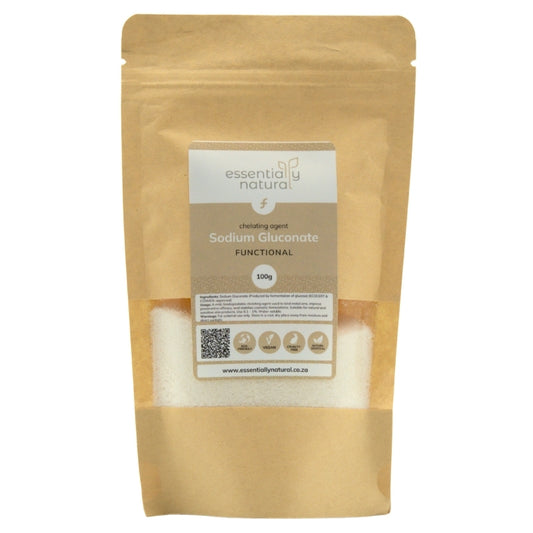
Sodium Gluconate (Chelating Agent) - Essentially Natural
Regular price from R10.00Regular priceUnit price per -
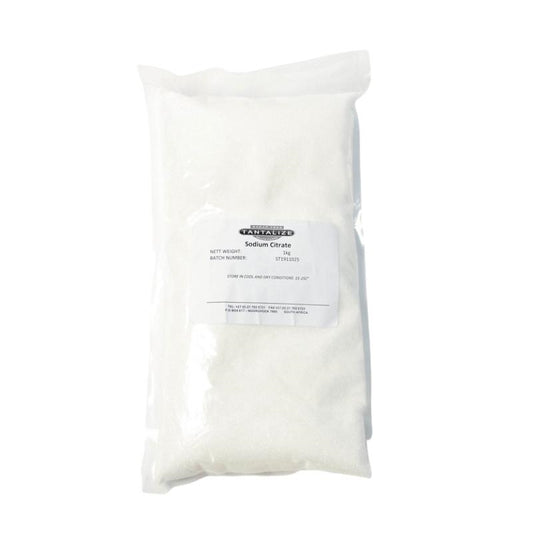
CFI Sodium Citrate - Food Grade (1kg)
Regular price R195.00Regular priceUnit price per -
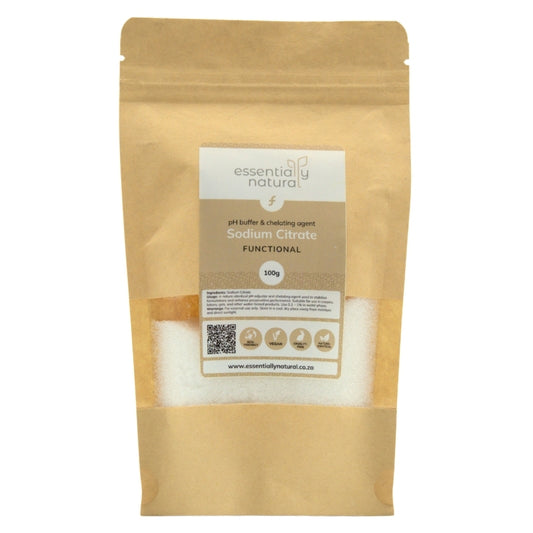
Sodium Citrate - Essentially Natural
Regular price from R15.00Regular priceUnit price per -
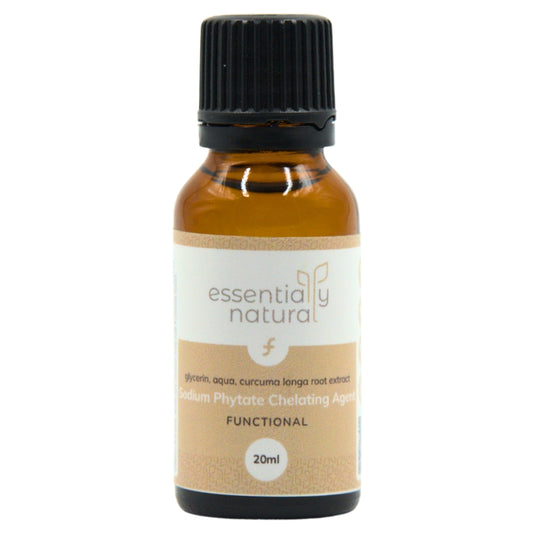
Sodium Phytate (Chelating Agent) - Essentially Natural
Regular price from R79.00Regular priceUnit price per



Frequently Asked Questions
Answers to common questions about choosing and using Essentially Natural ingredients.
What does a chelating agent do in a cosmetic formula?
Is a chelating agent the same as a preservative?
Do I need a chelating agent if I am using distilled water?
Will a chelating agent change the texture or feel of my formula?
Can chelating agents help with hard water in rinse-off products?
Chelating agents are ingredients used in cosmetic formulation to bind metal ions that may be present in water or raw materials. By binding these trace metals, chelating agents help improve formulation stability and support the effectiveness of preservative systems.
Metal ions can contribute to oxidation, colour changes and reduced preservative performance in cosmetic products. Chelating agents help minimise these effects, improving the overall stability and shelf life of formulations.
