Valerian Root For Sleep: Does It Actually Work, And How Do You Use It?
Essentially NaturalValerian root is the common name for Valeriana officinalis, a botanical indigenous to Europe but that today can also be found in Asia and North America. According to the NCCIH and the NIH Office of Dietary Supplements, the roots and underground stems of Valerian are the parts used in herbal preparations.
Valerian has a long history of traditional use, particularly in night-time routines, with records dating back to early Greece and Rome – where it was used for insomnia, migraines, fatigue and abdominal cramps.
How Does Valerian Work?
Before looking at how Valerian functions, it helps to separate two things: how it has traditionally been used, and what current research can confidently say about it today
Traditional Uses Of Valerian Root
Valerian has a long tradition of use in herbal wellness, particularly for its calming and sedative properties.
It was traditionally believed to improve sleep quality without leaving the user feeling drowsy the next morning, or causing the mental fog that some stronger sedatives can carry with them. It was also thought to help with general anxiety, excitability, nervous exhaustion, and mental stress.
With regards to physical relief, valerian has also been used by herbalists for easing hot flushes, general menopausal discomfort, premenstrual cramps and tension.
Scientific Evidence For Valerian Root
A 2020 review suggests that compounds in valerian may interact with the brain’s natural calming system, including GABA-related pathways. It may also tap into other mood and sleep-related pathways, like Serotonin and Adenosine - the compound that builds up in your brain throughout the day and helps make you feel sleepy at night.
On top of this, Memorial Sloan Kettering Cancer Center (one of the most respected cancer centers and medical research hospitals in the world) notes something similar: that compounds in Valerian seem to interact with receptors involved in your sleep-wake rhythm, anxiety, and the body’s natural calming response.
So, Does Valerian Actually Work For Sleep?
The evidence for this is mixed.
You see, the ODS (Office of Dietary Supplements) says that clinical evidence for Valerian in sleep disorders like Insomnia is inconclusive, and that although some Valerian constituents show sedative effects in animals, there is no clear scientific agreement on the mechanism.
The NCCIH also states there is not enough evidence to determine whether Valerian is useful for any health condition.
That said, it would not be fair to say there is no evidence. A 2023 meta-analysis of 21 randomised controlled trials involving 1 433 participants found that valerian showed small to moderate improvements in some self-reported sleep measures, including perceived sleep quality and sleep duration. However, the authors also noted significant variation between studies, including differences in preparation type, study design and participant groups.
What this means is that Valerian may help some people feel that their sleep quality improves, especially as part of a consistent wind-down routine, but it should not be treated as a guaranteed fix for Insomnia or a replacement for professional advice where sleep problems are ongoing.
How To Make Valerian Root Tea
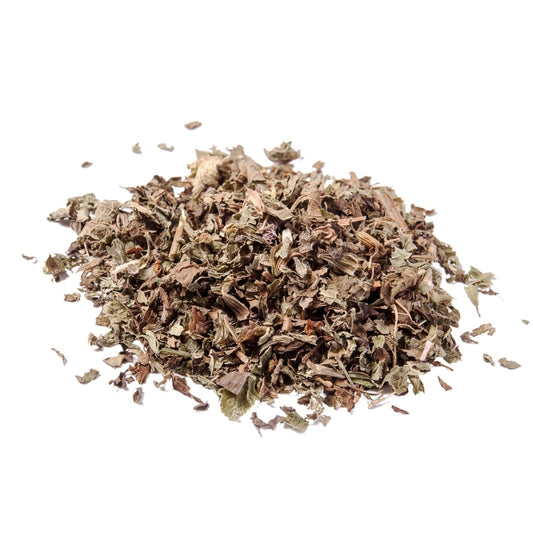
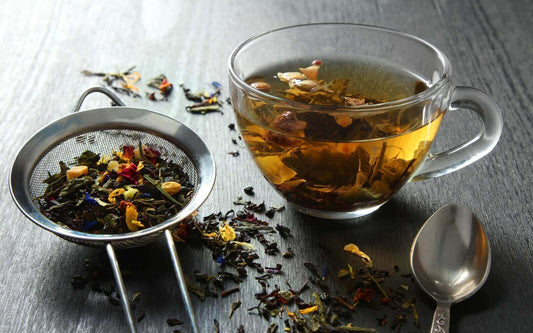
Valerian tea is simple to prepare and is one of the most traditional ways to use the dried root.
All you need is:
- 1 teaspoon of dried Valerian Root
- 1 cup of boiling water
To make it:
- Add your Valerian Root to a container with a lid.
- Pour your freshly boiled water into the container, onto the Valerian.
- Cover and let it stand for 10 – 15 minutes.
- Strain and drink warm or cold.
Feel free to add a little honey or another sweetener if you like. Valerian root has a very distinctive smell and flavour - earthy, musky, and infamously strong. One of its names in Chinese is “Phu!”, which feels... fair. Because Valerian has this bold flavour, many people prefer it blended with softer herbs like Lemon Balm, Chamomile, or Passionflower.
You could drink this tea or use it in your DIY Creams and serums, since traditionally at least Valerian has been found to be useful in creams and washes to soothe skin. Because Valerian is a Root, a decoction is sometimes used when people want a stronger herbal preparation than a simple tea.
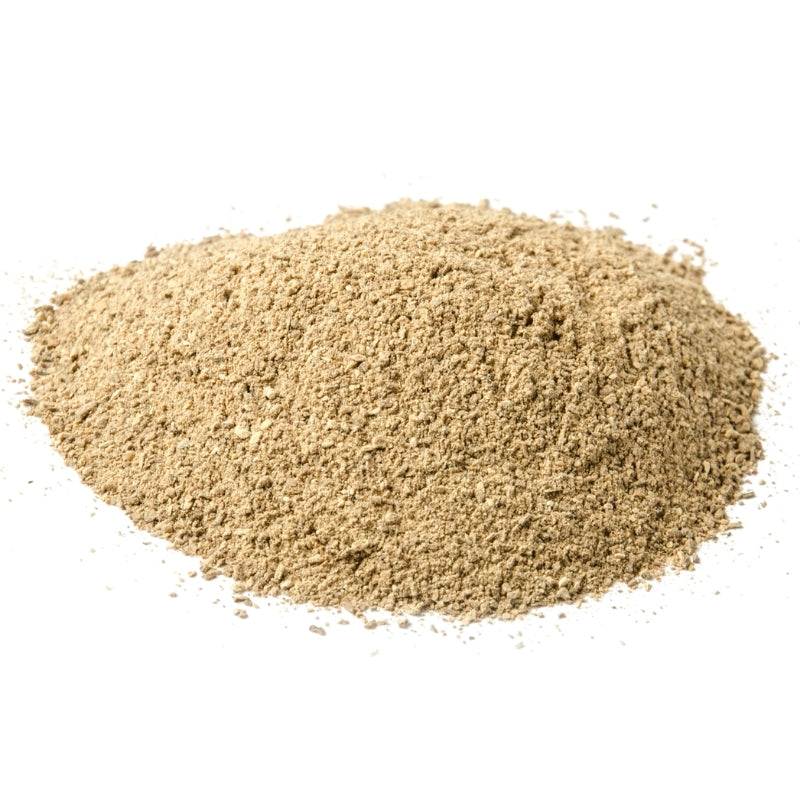
For a decoction, use 1 tablespoon of Valerian Root (either in small pieces or as a powder) and 3 cups of cold water.
To make:
- Place the Valerian Root and water into a pot (pot must not be made of aluminum or cast iron) and bring it to a boil.
- Let cool and soak overnight.
- The next day, bring to a boil again and slowly simmer until 1 cup has boiled away.
- Strain and keep in a cool place, covered with a lid.
Drink half a cup full at a time, up to 3 times a day. (use conservative amounts if using valerian regularly or alongside other calming herbs.)
Click here to see how to make tinctures.
How Long Does It Take Valerian To Work?
As with most natural remedies, results aren’t instant.
While some people report feeling more relaxed after a cup of Valerian Root Tea, some research suggests that any sleep-related benefits may become more noticeable after consistent use over time. Like many herbal preparations, it is best thought of as part of a broader evening routine rather than a one-night fix.
Scientifically, study lengths varied hugely. Some looked at a single dose, while others ran for 2, 4, 6, or even 8 weeks. One of the studies specifically found no significant improvement after a single dose but did find improvements in how fast they fell asleep and deep sleep after two weeks of consistent/regular use. That's one of the reasons researchers think Valerian may work better when used consistently rather than as a one-off.
Valerian Root vs Valerian Extract - What Is The Difference?
The root and the extract are similar, but not identical.
Valerian Root itself is the traditional way of using Valerian. It’s chopped, dried and steeped in hot water. Because it uses the whole dried plant, Valerian Tea is usually less concentrated than an extract, and its strength can vary. One cup may be slightly stronger or milder than another, because plants naturally vary.
Valerian Extracts are made by using a solvent, often alcohol, to pull certain compounds out of the plant. The liquid is then concentrated into a powder, tincture, capsule, or tablet. Extracts are usually stronger and easier to standardise, which means manufacturers can measure specific compounds, like valerenic acid, more consistently from one product to the next.
The interesting part is that “stronger” does not always mean “better”. Some research has found inconsistent results with concentrated Valerian extracts, while studies using the whole dried root have often produced more consistently better sleep. Researchers are not entirely sure why this is, but it may be because Valerian contains a range of compounds that work together rather than a single "active ingredient".
Can You Combine Valerian Root With Other Calming Herbs?
Valerian is commonly added to herbal blends, partly to balance its strong rooty flavour and partly to create a more rounded night-time tea.
Common soothing yet flavour enhancing combinations include:
- Lemon Balm: fresh and citrusy
- Chamomile: softly floral and with a gentle, almost apple-like scent
- Passionflower: soft and herbaceous, slightly grassy
Some stronger night-time blends may include herbs such as hops or lemon balm, but these should be approached with care, especially for anyone taking medication or sensitive to sedative herbs.