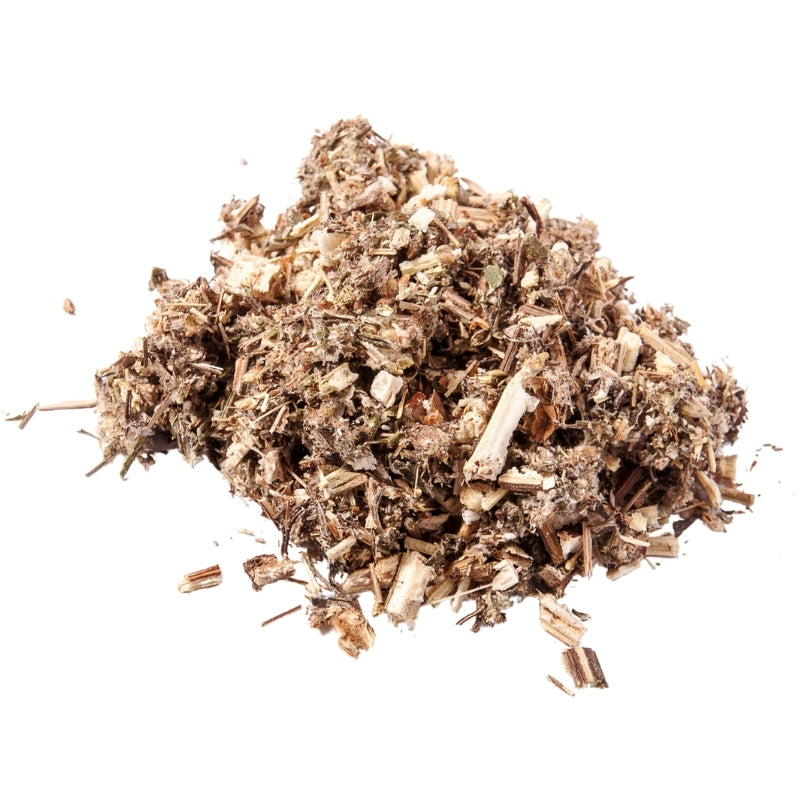
Mugwort - 75g
Mugwort - 75g
5 in stock — ready to ship.
Couldn't load pickup availability
Mugwort is a traditional botanical from Artemisia vulgaris with a distinctive herbaceous aroma and gently bitter character. Native to Europe, Asia, and North Africa, it has a long history in Chinese, Japanese, and European herbal traditions, where it has been prepared as a tea, used in baths, and included in a range of botanical rituals. It is often chosen for grounding herbal routines, digestive-style blends, and evening preparations with a more aromatic profile. In modern DIY use, mugwort is also explored in simple skin-focused infusions and botanical bath blends.
♡ Why we love it: Mugwort has a beautifully distinctive personality - grounding, aromatic, and easy to recognise in a blend. We especially like how versatile it is across tea, bath, and botanical making, and how well it fits into plant-led routines that feel simple and intentional. It is exactly the kind of ingredient we value at Essentially Natural: traditional, expressive, and useful across both everyday herbal use and thoughtful DIY projects.
Key properties
- Botanical Name: Artemisia vulgaris
- Common Name: Mugwort
- Aroma Profile: Herbaceous, aromatic
- Flavour Profile: Bitter, warming
- Suitable For: Food and cosmetic use
What it's used for
- Brewing herbal teas and traditional botanical infusions
- Adding a bitter, aromatic note to digestive-style blends
- Preparing grounding bath blends and soak-style routines
- Using in calming smoke-style or aromatic botanical blends where appropriate
- Making tincture-style preparations using standard herbal methods
- Exploring simple skin-focused infusions and rinse-off preparations
- Adding a distinctive herbaceous note to culinary flavouring projects
Who it's for
- Herbal tea routines that enjoy a more aromatic, slightly bitter botanical profile
- Blend making with grounding, caffeine-free herbs
- Bath, soak, and aromatic home projects using dried botanicals
- DIY makers exploring simple infusion-based skin and body routines
- Herbal cupboards that benefit from a distinctive traditional botanical
- Sweet, delicate, or fruity herbal tea preferences
- Ready-made supplement, skincare, or finished bath product formats
- Herbal routines that avoid bitter or strongly aromatic botanicals
Mugwort Is For:
Mugwort Is Not For:
How to use
- As a Tea: Add 1 to 1.5 heaped teaspoons per cup into a teapot, pour freshly boiled water over the herb, cover, and infuse for 8 to 10 minutes, then strain.
- As a Blend Ingredient: Combine with other suitable herbs in grounding or digestive-style botanical blends.
- As a Tincture: Prepare using your preferred tincture-making method and strain well.
- As a Bath Blend: Add to a muslin bag or prepare a strong infusion, then add to bath water.
- As a Skin-Focused Infusion: Prepare an infusion, cool fully, strain very well, then use in simple rinse-off routines.
- As a Culinary Flavouring: Use sparingly where a bitter, aromatic herbal note is wanted.
- Processing Tip: Keep the infusion covered while steeping to help retain more of the herb’s aromatic character.
Safety instructions
- Consult a qualified healthcare practitioner before use if you are pregnant, breastfeeding, have a medical condition, or take medication.
- For topical use, patch test before wider application.
- Avoid contact with eyes.
- Discontinue use if any adverse reaction occurs.
- Keep out of reach of children and pets.
Faqs
Q: What does Mugwort taste like?
A: Mugwort has a herbaceous, aromatic flavour with a noticeable bitter edge, which is why it is often used in blends rather than very sweet-style cups.
Q: Is Mugwort naturally caffeine-free?
A: Yes. Mugwort is a herbal ingredient and is commonly used in caffeine-free tea routines.
Q: What kinds of herbs pair well with Mugwort?
A: Mugwort pairs well with other grounding or warming botanicals, depending on the kind of blend you want to create.
Q: Can Mugwort be used in baths?
A: Yes. It is often used in bath blends or as a strong strained infusion added to bath water.
Q: Why is Mugwort often used in digestive-style blends?
A: Its naturally bitter, aromatic profile makes it a good fit for blends that favour a more traditional herbaceous character.
Q: Can Mugwort be used in tincture-making?
A: Yes. It is often prepared in tincture-style extracts using standard herbal methods.
Q: Can Mugwort be used in sleep pillows or aromatic sachets?
A: Yes. It is sometimes included in botanical pillow blends and other aromatic home projects where a grounding herbal note is wanted.
About These Botanicals
This product is grown in an organic and regenerative fashion with as minimal use of insecticides, pesticides, herbicides and fungicides as possible, in certified organic fertilizer. The product is sourced food grade. It is not certified organic. Suitable for Kosher, Halaal and Hindi diets.