


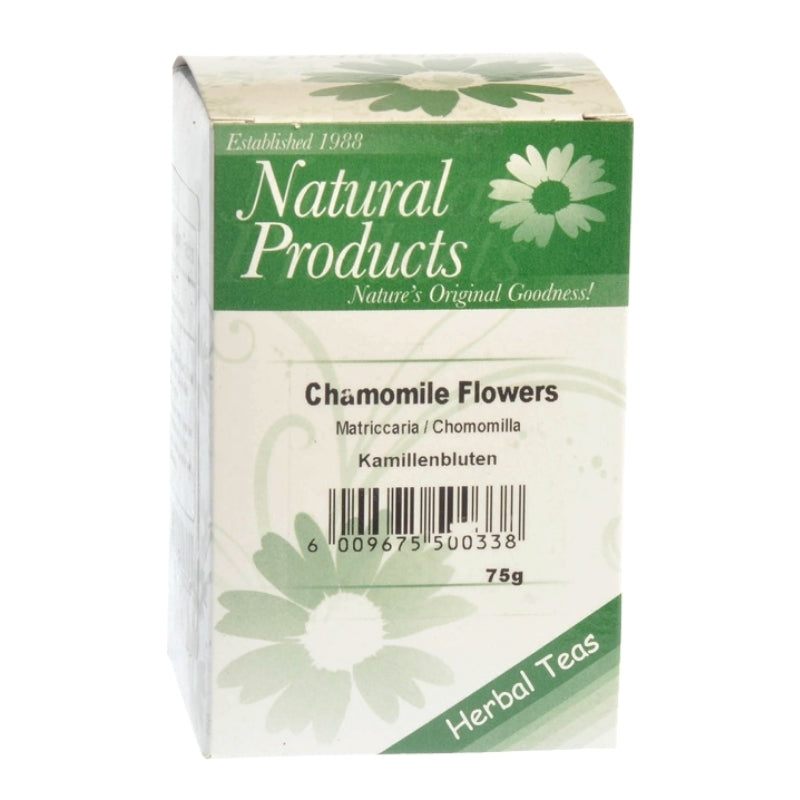
Chamomile Flowers - 75g
Chamomile Flowers - 75g
10 in stock — ready to ship.
Couldn't load pickup availability
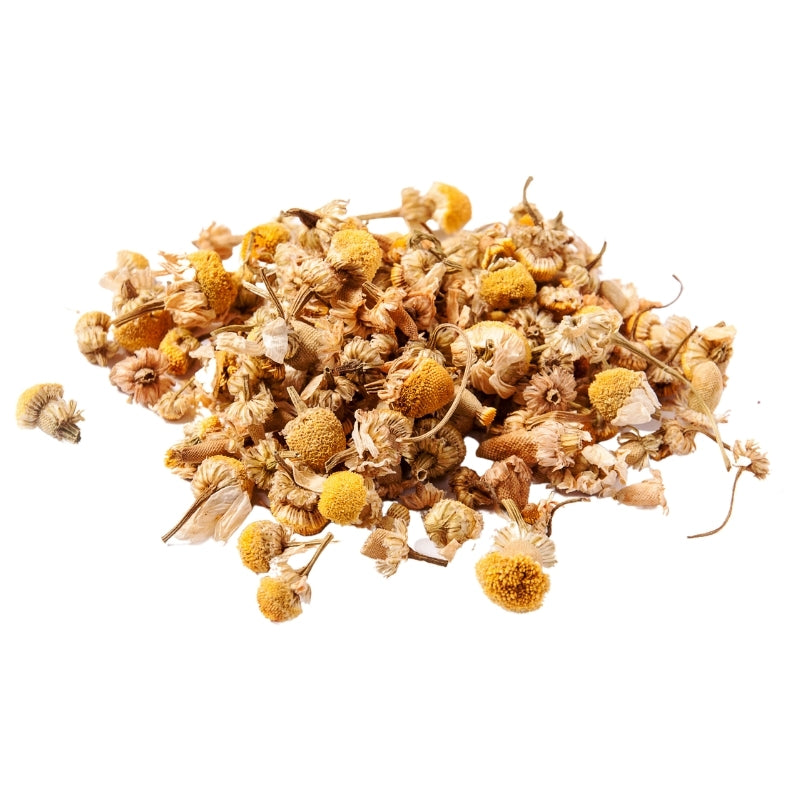
Chamomile Flowers are dried whole blossoms traditionally brewed into a gentle, comforting herbal tea. The flavour is softly floral with an apple-like aroma, which makes chamomile a popular choice for evening routines and after-meal cups. Whole flowers are easy to measure and typically strain more neatly than powders, giving a clearer infusion with less sediment. They are also commonly used in baths, compresses, and simple DIY infusions for hair and skin routines. This is a single-ingredient botanical with a long history of traditional use.
♡ Why we love it: Chamomile is one of those classic botanicals that feels both familiar and quietly special. We love its soft floral character, the versatility of the whole flowers, and the way it suits everything from a simple evening cup to thoughtful DIY rituals. It also fits beautifully with our preference for single-ingredient botanicals that are easy to work with, naturally expressive, and useful across more than one routine.
Key properties
- Botanical Name: Matricaria chamomilla (syn. Matricaria recutita)
- Common Name: Chamomile
- Plant Part: Flower
- Form: Whole dried flowers
- Aroma Profile: Soft floral, apple-like
- Ingredients: Chamomile flowers
What it's used for
- Herbal teas for calm, wind-down routines
- After-meal cups for gentle digestive comfort
- Cooled compresses and rinse-off skin routines when well strained
- Hair rinses using a cooled infusion
- Baths and foot soaks made with a strong, strained tea base
- Potpourri blends and herb pillows
Who it's for
- Classic loose-flower teas with easy straining
- Blend making where a soft floral note is wanted
- Herbal baths, steams, and compress routines using a strained infusion
- Gentle, caffeine-free herbal cups for evening or after-meal use
- Powder formats preferred for quick measuring and blending
- Strong, robust herbal tea flavour preferences
- Ready-made herbal products where no preparation is needed
Chamomile Flowers Is For:
Chamomile Flowers Is Not For:
How to use
- As a Tea: Use 2 tsp per cup of freshly boiled water, steep for 10 to 15 minutes while covered, then strain.
- As a Bath: Brew a strong tea, strain well, and add to warm bath water.
- As a Compress: Prepare tea as above, cool fully, soak a clean cloth, and apply briefly to intact skin.
- As a Hair Rinse: Brew a stronger infusion, cool completely, strain well, then pour through clean hair before rinsing or leaving briefly as preferred.
- As a Steam: Add the flowers to hot water and use the aromatic steam carefully, keeping a safe distance from the heat.
- Processing Tip: Keep infusions covered while steeping to help retain aroma.
Safety instructions
- Do not use if allergic to members of the daisy family (Asteraceae), including ragweed.
- Not recommended during pregnancy.
- May interact with blood-thinning medication such as warfarin.
- Consult a qualified healthcare practitioner before use if you have a medical condition or take medication.
- Discontinue use if any adverse reaction occurs.
- Keep out of reach of children and pets.
Faqs
Q: Are whole flowers better than powder for tea?
A: Whole flowers are often easier to strain and usually give a clearer cup with less sediment.
Q: Can chamomile be used in steam routines?
A: Yes. Many people use a hot infusion for a gentle aromatic steam, keeping a safe distance from the heat.
Q: What does chamomile pair well with in blends?
A: It pairs well with lemon peel, lavender, rooibos, or peppermint depending on the style of tea you want to create.
Q: Is chamomile naturally caffeine-free?
A: Yes. Chamomile is naturally caffeine-free, which is one reason it is so often chosen for evening and wind-down routines.
Q: Why should I keep the cup covered while steeping?
A: Covering the infusion helps hold onto more of the delicate aroma while the flowers steep.
Q: Can I drink chamomile cold?
A: Yes. Once strained and cooled, chamomile can also be enjoyed as a chilled herbal infusion.
Q: Why choose whole flowers instead of cut or powdered chamomile?
A: Whole flowers are easy to measure, simple to strain, and often preferred when you want a more traditional loose-herb tea experience.
Q: How should Chamomile Flowers be stored after opening?
A: Keep them sealed in a cool, dry place away from heat, moisture, and direct sunlight to help protect freshness and aroma.
About These Botanicals
This product is grown in an organic and regenerative fashion with as minimal use of insecticides, pesticides, herbicides and fungicides as possible, in certified organic fertilizer. The product is sourced food grade. It is not certified organic. Suitable for Kosher, Halaal and Hindi diets.


Recently viewed
Related Reads
-

Herbs and Flowers for Stress, Insomnia and Anxiety
Sleeplessness? Anxious? Tense? We have flowers for you...
Herbs and Flowers for Stress, Insomnia and Anxiety
Sleeplessness? Anxious? Tense? We have flowers for you...
-

The Ugly Truth Behind Beauty Sleep: How Nature ...
Learn how nature, sleep, and simple rituals can unlock radiant skin, balanced hormones, and real beauty from within.
The Ugly Truth Behind Beauty Sleep: How Nature ...
Learn how nature, sleep, and simple rituals can unlock radiant skin, balanced hormones, and real beauty from within.
-

The Science Of The Perfect Bath: What Actually ...
The complete guide to baths: which minerals work, perfect blend ratios, and recipes to transform your soak.
The Science Of The Perfect Bath: What Actually ...
The complete guide to baths: which minerals work, perfect blend ratios, and recipes to transform your soak.
-
Stress Less! Embrace Natural Botanical Remedies...
Natural remedies offer a gentle and holistic approach that can help alleviate symptoms and promote overall well-being.
Stress Less! Embrace Natural Botanical Remedies...
Natural remedies offer a gentle and holistic approach that can help alleviate symptoms and promote overall well-being.
-

Herbs To The Rescue! Hangover & Overindulgence ...
Herbal remedies for hangovers, headaches and all the symptoms of festive season overindulgence.
Herbs To The Rescue! Hangover & Overindulgence ...
Herbal remedies for hangovers, headaches and all the symptoms of festive season overindulgence.
-

Potpourri - A History & Modern Comeback
Read up on the fascinating subject of potpourri, and learn how to make your own blends.
Potpourri - A History & Modern Comeback
Read up on the fascinating subject of potpourri, and learn how to make your own blends.


