DIY Bath Salts

DIY Bath Salts

Juliette van der Meer

In this guide, you’ll learn:

  • what bath salts are and how they’re used
  • how to make a simple DIY bath salt blend
  • which ingredients add scent and skin feel
  • how to customise bath salts for gifts or foot soaks
  • basic storage and usage tips

An easy and oh-so-lovely gift idea is homemade bath salts.

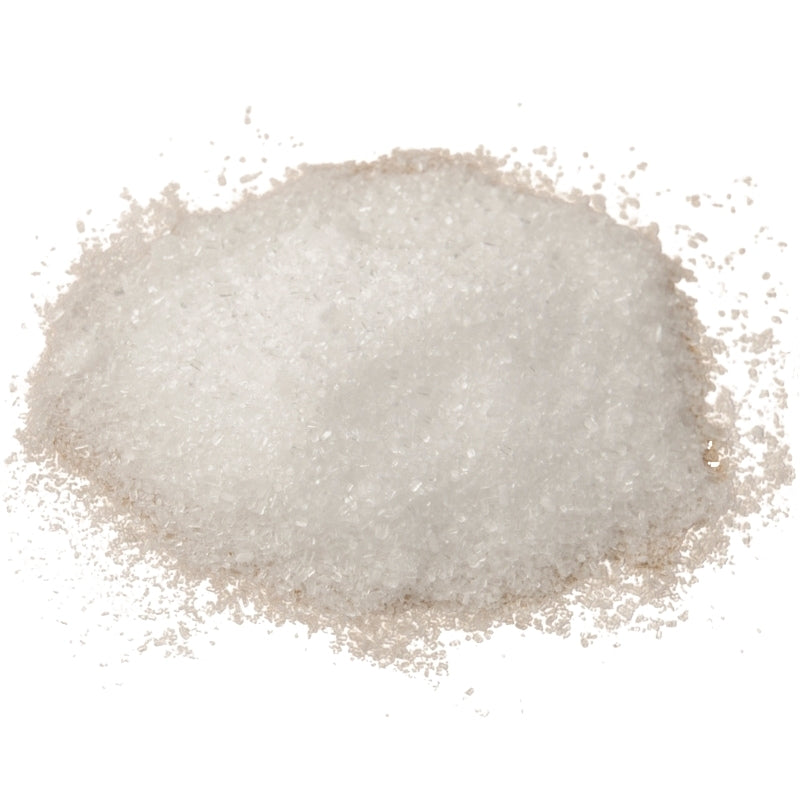
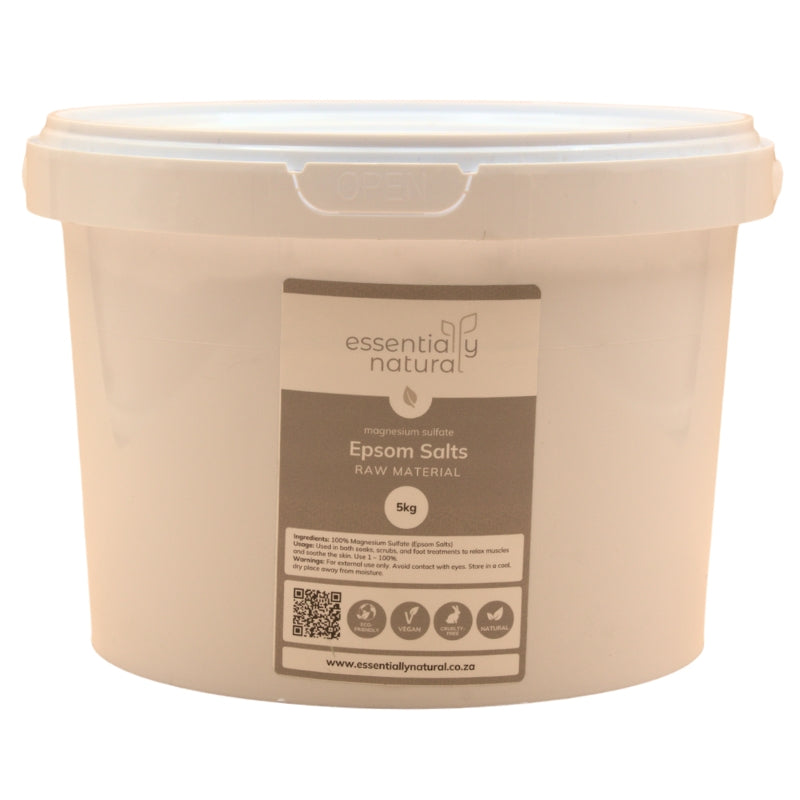
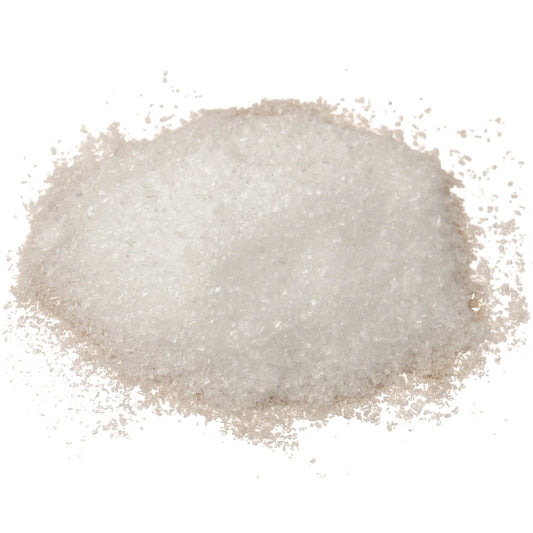
Epsom Salts and mineral-rich Himalayan salts plus stunning oils are commonly used in baths for their soothing feel and mineral content, and makes for a gorgeous gift that will leave the bather enveloped in a soft cloud of roses. Going into winter, the occasional bath is a real treat but if you are water-conscious these salts can be used as a foot soak instead.

What Are Bath Salts?

Bath salts are a blend of mineral salts, oils, and botanicals designed to dissolve in warm water, adding scent, texture, and a relaxing sensory experience to baths or foot soaks.

When Bath Salts Are A Good Choice

  • Relaxing baths or foot soaks
  • Gifting and self-care rituals
  • Dry or tired-feeling skin

When To Use With Caution

  • Very sensitive skin
  • Broken or irritated skin
  • High essential oil concentrations

Safety Of Essential Oils In Bath Salts

Essential oils are highly concentrated. Use conservatively, avoid known allergens, and do not use bath salts containing essential oils on broken skin. If pregnant or sensitive, consult a qualified professional before use.

The recipe below is easily customisable and you can simply double it for a larger batch, and can can be easily adapted by changing oils, salts, or botanicals. You should never have to purchase bath salts again - making your own is too easy!

Classic Bath Salts

Ingredients:

Method:

  1. Fill the jar just over halfway up with Epsom salts.
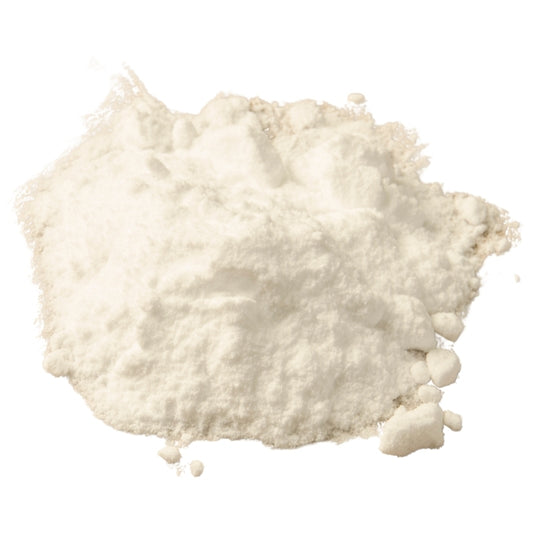
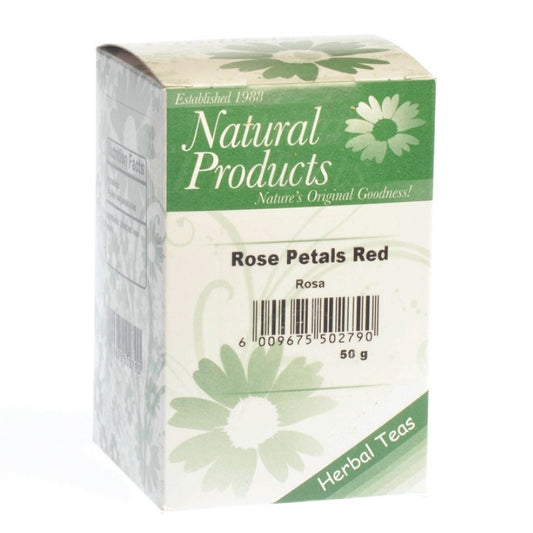
  2. Fill it the rest of the way with baking soda, a small handful of Himalayan salt and some dried rose petals.
  3. Stir through so the mixture is evenly dispersed.
  4. Add in about 10-15 drops of rose oil or other essential oil and 2 tablespoons of jojoba or argan oil.
  5. Stir well so the mixture is like that of slightly damp sand.
  6. Put the lid on and store in a dry place. To use in the bath or in a foot soak, scoop out a few small handfuls of bath salts and enjoy a relaxing soak.


Try a variation:

Coffee Lover:

Substitute the argan or jojoba oil for hazelnut oil and the rose oil for coffee bean oil, for a divine coffee hazelnut experience.

Or just substitute the rose oil for any other essential oil of choice; try clary sagechamomilelavendergeraniumjasmine or mandarin.

Or Substitute the dried rose petals for other dried flowers such as lavender blossomschamomile flowers or jasmine flowers to match your chosen scent.

Or Add ½ c Dead Sea Salts + ½ c Magnesium Chloride to turn your bath into a spa treatment.

Bath Salts FAQ

What are bath salts used for?

Bath salts are used to add scent, texture, and a relaxing sensory experience to baths or foot soaks. They dissolve in warm water, helping create a soothing, spa-like ritual at home and leaving skin feeling soft and refreshed.

Can bath salts be used as a foot soak?

Yes. Bath salts work just as well in a foot soak, which is a great option if you don’t take baths or want a smaller, more water-conscious ritual. Simply dissolve a small handful in a basin of warm water and soak your feet for 10–20 minutes.

How much bath salt should I use per bath?

A few small handfuls is usually enough for a full bath. You can adjust the amount depending on bath size and personal preference. For foot soaks, 1–2 tablespoons is typically sufficient.

Are bath salts safe for sensitive skin?

Bath salts are generally well tolerated, but sensitive skin types should take extra care with essential oils. Using fewer drops, choosing gentler oils, or omitting essential oils altogether can help reduce the risk of irritation. Avoid use on broken or inflamed skin.

How long do homemade bath salts last?

When stored in a sealed container in a cool, dry place, homemade bath salts can last several months. Moisture is the main enemy, so keeping them dry will help maintain texture and scent.

Can I customise bath salts with different oils and flowers?

Absolutely. Bath salts are highly customisable. You can swap carrier oils, essential oils, and dried botanicals to suit different moods, seasons, or gifting themes. Just be mindful of essential oil safety and skin sensitivity when making substitutions.

Juliette van der Meer

Fascinated with all things Nature, Science, Chemistry and Cosmetic Formulation; slave to four cats; my sweet tooth fuels my sweet nature.

I like to constantly learn new things. I also love crime series, which is totally not a red flag :)

I graduated from Rhodes University with a Degree in Geology but later switched to Cosmetic Science and haven't looked back - proof that flipping your life around can lead to much happiness.

BSc Hons, Adv. Dip. Cosmetic Science

Disclaimers

We love sharing DIY recipes, natural tips, and wellness inspiration with you! The content on the Essentially Natural Blog is here to inform and inspire, but it’s important to keep the following in mind as you explore:

Product Use & Medical Guidance

Unless specifically stated otherwise, our products and recipes are intended for external use only. Always follow usage instructions carefully, use ingredients mindfully, and patch test first whenever trying an ingredient/formulation for the first time. The content on our blog is shared for informational and educational purposes and is not intended to replace professional medical advice, diagnosis, or treatment. If you’re pregnant, breastfeeding, on medication, or managing a health condition, please consult a qualified healthcare provider before using new ingredients or remedies.

Results May Vary

Natural ingredients can do wonderful things—but they’re not one-size-fits-all. What works beautifully for one person may not have the same effect for another. Your skin type, health, and lifestyle all play a role in how your body responds, so please keep that in mind. We also can’t guarantee the shelf life or stability of DIY formulations. For longer-term storage or commercial use, professional testing is always recommended

Content Accuracy

We put a lot of love and effort into making sure our content is accurate and up to date. That said, things change, and honest mistakes can happen. Please use your own good judgment and cross-check information if needed.

Third-Party Content

From time to time, we may share advice, resources, or links from third parties we trust. While we select these thoughtfully, we can’t take responsibility for their accuracy or practices—so please explore with care.

Copyright & Intellectual Property

Unless otherwise noted, all content, images, and recipes on this blog are the property of Essentially Natural. We’re always happy when our community shares and spreads the word—just please do so responsibly and with proper credit.

If you’d like more information on any ingredient or topic, feel free to reach out to us—we’re always happy to help. Alternatively, click here to view our full Terms of Service.


Thank you for being part of our natural DIY formulation community ♡