A Practical Guide To Making Addictive Skincare
Aiden van WykWhen we talk about skincare, we usually talk about results. Actives. Plumping. Erasing fine lines and brightening skin.
What we forget is that before any product has time to work, something else has to happen first – you have to apply the product to your skin.
Product experience is the first act of care a customer has with your brand. And it’s often the line between skincare that’s just helpful, and routine you not only LOVE, but recommend.
What Is Texture – And How To Work It
Texture is the look and feel of your product. It’s shaped not just by the ingredients you choose, but by how those ingredients dance together.
Most textures are built from the same four levers:
- Structure – how oil and / or water are held together (emulsifiers, gums)
- Weight – how much cushion and richness a product has (more oils, butters, waxes)
- Glide & finish – how it spreads and what’s left behind (fatty alcohols, powders)
- Scent & colour – which don’t change structure, but strongly colours experience
Most texture problems start here, when one of these characteristics are out of balance – or even completely forgotten.
Structure Of Creams – Do Emulsifiers Differ?
In creams and lotions, it’s easy to think emulsifiers only exist to stop oil and water from separating. But that undersells what they're actually doing.
Your emulsifier profoundly affects:
- How tightly your formula is bound
- How quickly it breaks onto and into skin
- Whether it feels light, creamy, waxy or cushiony
- How stable and consistent your product feels over time.
The phrase “natural emulsifier” tells you one useful thing - that it will emulsify. What it doesn’t tell you is how the product will feel.
When it comes to texture, most emulsifier systems fall into three broad camps: fatty-acid–based systems, wax-based systems and sugar- derived systems. And they behave very differently on skin.
Fatty-acid And Fatty-alcohol Structured Emulsifiers
(the ones that make creams feel like creams)
These emulsifiers are built around long-chain fatty components - things like cetearyl alcohol, cetyl alcohol, and stearic acid. They don’t just keep oil and water together; they give a cream its shape and backbone.
If a product feels properly creamy, indulgent, and like it holds itself together, this is usually why. These systems build structure first, then let the rest of the formula decide how fast or slow it absorbs.
How they tend to feel
- Thick rather than watery
- Softly structured, with body
- Comforting when worked into the skin
Sugar- And Glycerine-derived Emulsifiers
(light, quick-break textures)
These emulsifiers are built from sugars or glycerine derivatives and form much looser structures. They’re designed to break apart quickly once applied. Some examples include glyceryl stearate citrate and sucrose stearate, as well as structure-light solubilisers like oliveM 300.
These systems are often used alone in very light lotions or paired with co-emulsifiers when more stability or cushion is needed. They’re the reason some creams feel elegant, weightless, and almost like they vanish on contact. The structure is there - it just doesn’t stay for long.
That makes them ideal for people who dislike the feeling of that residue on your skin but is less suited to skin that needs comfort or protection.
How they tend to feel
- Light and fluid
- Fast absorbing
- Minimal residue
Wax-leaning emulsifier systems
(grip, resistance, stay-put feel)
Some emulsifier systems are more similar to balms than lotions, either because of their wax content or the way they organise oils in the formula. These are chosen when structural longevity and protection matter more than elegance.
They melt more slowly, offer more resistance, and tend to stay where you put them. You notice them as you apply - and that’s the point.
They’re not for everyone, especially on the face, but for barrier creams and hand or body products, that grip can be exactly what’s needed.
How they tend to feel
- More drag on application
- More grip on the skin
- Slower break, longer play time
One thing to keep in mind: Yes, an emulsifier sets the structure, but the final feel comes from how it’s balanced with oils, waxes, powders, and co-emulsifiers. That’s why the same ingredient can feel completely different in different products.
Adjusting Structure Without Emulsifiers – Using Gums
Emulsifiers create the framework of a product, but gums are how you fine-tune how that framework behaves.
They don’t replace emulsifiers - they support them. Gums are usually added in small amounts to adjust how a product moves, holds together, and applies on skin.
What gums tend to influence most is:
- Slip
- Thickness
- Suspension
- Pilling
Common gums include xanthan gum, guar gum, and another gelling agent like hydroxyethyl cellulose. They’re often used in combination, because most gums excel in one specific area while falling short in another.
And they’re not interchangeable. Small changes in gum type or level can create completely different texture experiences, even when the rest of the formula stays the same.
Structure Of Water-Based Serums
In water-heavy products, texture is driven almost entirely by gums, humectants and polymers (like hydroxyethyl cellulose and hyaluronic acid). There’s very little oil to soften things, which means small formulation choices have a big impact on how a serum feels.
This is where a lot of frustration comes from. Film-forming ingredients can make a serum feel smooth at first, then tight once you actually use it. Layer a few polymer-heavy products together and suddenly things pill. And while clear gels look elegant, that clarity often comes at the cost of softness once it’s on the skin.
That’s the trade-off here: serums that feel weightless and refined usually sacrifice softness, while cushiony serums often lose that clean, glassy look.
Structure Of Oil Serums And Balms
Oil-based products are shaped less by structure and more by fatty acids and modifiers. There’s no emulsion holding everything together, so texture comes down to how quickly oils absorb - and what’s added to slow them down.
Some oils sink in fast, others take their time. That difference isn’t about quality - it’s often key to what make certain oils special. A well-designed oil serum usually blends fast- and slow-absorbing oils so the product feels balanced, rather than too greasy or not nourishing enough.
Here, texture comes from ratio. Lean heavily on fast oils and the product will feel dry and fleeting. Add more slow, occlusive oils and it becomes richer, heavier, and more protective. Most addictive oil serums sit somewhere in the middle.
How oils tend to behave
- Fast-absorbing (like squalane, rosehip)
- Medium weight (like jojoba, sunflower)
- Slower, more occlusive (like castor, avocado)
Waxes In Oils
Waxes are what turn oils into balms and give them staying power. They don’t nourish the skin - they change how a product sits and moves.
A small amount can add comfort and grip. More than that, and you start to feel resistance, drag, and slower absorption. That’s not a flaw - it’s the point in protective or barrier-style products.
Different waxes bring different personalities.
How waxes tend to feel
- Beeswax: firm, grippy, slow to sink in
- Soy wax: softer, creamier, more buttery
- Carnauba: harder, glossier, more rigid
For a similar increase in staying power, butters like shea, mango, or cocoa are sometimes used instead. At the right concentrations, they add longevity while also contributing a rich, creamy feel. Most formulators balance both the use of butters and waxes for balms.
Powders In Oils (Yes, Really)
Powders aren’t limited to creams. Used properly, they can completely change how an oil serum feels.
Oil-dispersible powders can take something slick and turn it satin, reducing greasiness and shine without stripping the formula back.
Like everything else, it’s about holding back until you get that perfect amount.
How powders tend to feel
- Arrowroot: drier touch, less greasy
- Silica or rice powder: oil-absorbing, soft-focus
- Overuse: draggy, chalky
Refining Cream Feel
Once structure and weight are set, this is where fatty alcohols, stearic acid, and powders step in to refine the feel.
They don’t decide the texture on their own - they polish it. They add slip or deepen cushion depending on what the formula needs.
How these refiners tend to feel
- Cetyl alcohol: softer slip, lighter feel
- Cetearyl alcohol: more body and stability
- Stearic acid: firmness and that slow-melt cream feel
Scent And Colour
Scent and colour don’t change how a product is built - but they strongly influence how it’s experienced, remembered, and returned to.
A single essential oil or hydrosol can shift the mood of a formula at very low levels. Soft colour from botanical infusions, micas, or natural colourants adds warmth and playfullness, making products feel more human and less clinical.
These choices don’t build structure - they build connection. This IS the experience of your product.
When it comes to scent, restraint matters. The most satisfying skincare scents don’t announce themselves loudly; they unfold quietly during use, then fade. That balance is what keeps a product from becoming overwhelming over time.
Choosing Scents By Feeling (Not Just Preference)
Instead of thinking only in terms of “floral” or “citrus”, it’s often more useful to think about how you want the product to feel in use.
- Calming / grounding
Lavender, chamomile, frankincense, vetiver
Often chosen for evening routines, barrier creams, or products designed to slow the ritual down. - Fresh / clarifying
Lime, bergamot, sweet orange, basil
Useful in lighter creams, gels, or morning products where energy and cleanliness matter. - Warm / comforting
Sandalwood, vanilla, cocoa butter infusions, benzoin
These add softness and familiarity, especially in richer textures or winter products. - Green / herbaceous
Rosemary, clary sage, geranium
Often read as “skin-like” and balanced - not too sweet or too sharp.
Many essential oils are chosen not just for their scent, but because they’re associated with balancing, brightening, or soothing effects in skincare. In formulations containing water, hydrosols are often used instead, as they offer a gentler way to add aroma and botanical character - particularly for sensitive skin.
For those who want to explore blending more deeply, our solid perfume making guide goes into scent notes and combinations in much more detail.
Blending And Balance
Complex scents usually come from balance rather than volume. Combining a grounding base note, a softer middle note, and a light top note creates a scent that feels complete without being overwhelmingly intense – and even risking irritation.
Pre-blending essential oils and allowing them to rest before adding them to a formula can soften sharp edges and improve harmony (because perfumes mature with age). Warming the blend slightly (or testing it on warm skin) often gives a more realistic sense of how it will smell in use.
See here for a guide on base notes, top notes and middle notes.
Botanical Scent Beyond Essential Oils
Scent doesn’t have to come only from essential oils. Botanical infusions - like vanilla pods in oil, coffee bean oil, or herbal infusions - can add gentle background notes that feel intimate and familiar. These are especially useful when you want warmth without obvious fragrance.
Like potpourri, these materials work best when layered thoughtfully. Too many notes are messy; a few chosen carefully creates a symphony of scent.
Do Actives Impact Texture?
Some ingredients are added for performance, not feel - but they still have a huge impact on texture.
Hyaluronic acid is a good example. It’s technically a humectant, but it’s also a polymer. Depending on how it’s used, it can add slip and cushion - or make a formula feel gummy, or stringy. That’s not a flaw. That’s polymer behaviour.
Acids work the same way. By lowering pH, they can thin gels, weaken gums, and change how stable a product feels. A formula that feels perfect at one pH can behave completely differently once exfoliating acids are introduced.
Alcohol is another common disruptor. It can lighten textures and speed absorption, but it can also interfere with emulsification and gum structure - which is why alcohol-containing formulas often need extra support elsewhere.
In short: actives don’t sit quietly in a formula. They play together. And good texture comes from using that interaction to your advantage, not fighting it.
Texture Is An Opportunity
Good texture isn’t about distraction or indulgence. It’s about alignment - between the product, the person using it, and the job it’s meant to do. When a texture feels right, it usually means the maker really considered how it would be used, who it was for, and which trade-offs were worth making.
There is no “perfect texture” - only textures that suit different skin, seasons, and preferences. Learning to notice texture isn’t about optimisation. It’s about understanding what your skin responds to, and what you respond to, too.
Because long before a product proves anything on paper, it changes how care feels in your hands - turning duty to your daily routine into a ritual you live by.
That’s the real opportunity of care.
BONUS: Packaging As The Foundation Of Experience
Before a product is ever felt, it’s seen.
Before it's opened, applied, or felt on skin, it’s held - and quietly judged. The weight of the bottle, the finish of the label, the sound of a cap twisting open - all of it quietly signals what kind of experience is coming next.
This is why packaging is never just functional. It’s your first promise of quality.
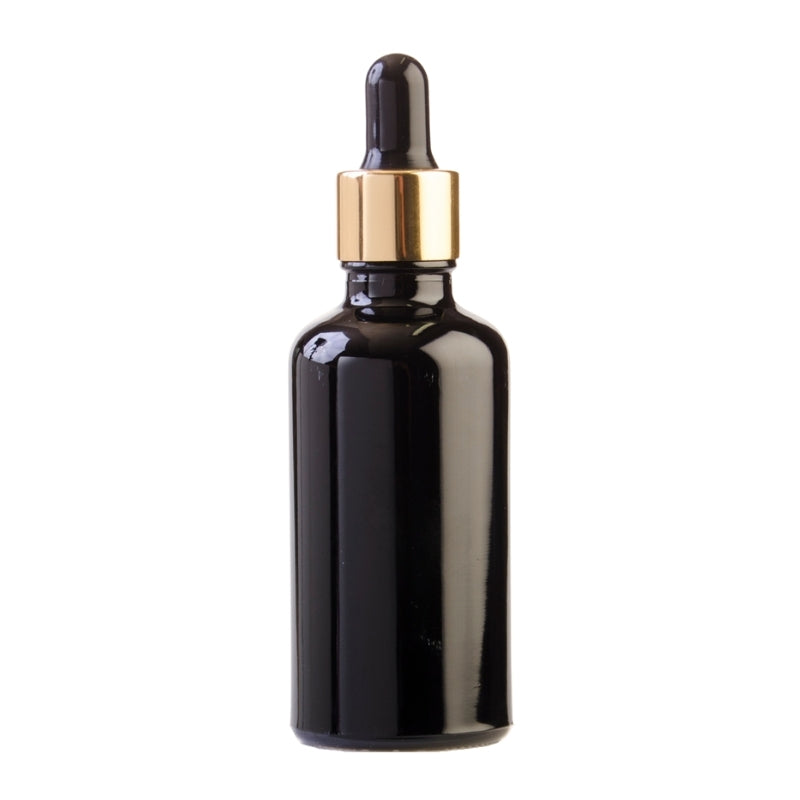
A sleek black bottle with a gold pipette feels intentional and classic before you’ve used a single drop. A soft blue bottle with a white-and-gold rim reads calm, considered, and quietly premium. These choices aren’t accidental - they frame how the product inside will be perceived.
Packaging also shapes affection. A beautiful bottle invites sharing - it’s the one you leave out on the bathroom counter, the one you’re anxiously waiting to show a friend. Thoughtful, eco-friendly packaging creates a different kind of pride: the feeling that you’re supporting a brand whose values align with your own.
In a crowded market, packaging is one of the clearest ways a brand can stand out. Not by being loud, but by being intentional. It tells the customer, before anything else happens: you can trust us.
And just like texture, when packaging feels right, it builds anticipation long before results ever have a chance to show.