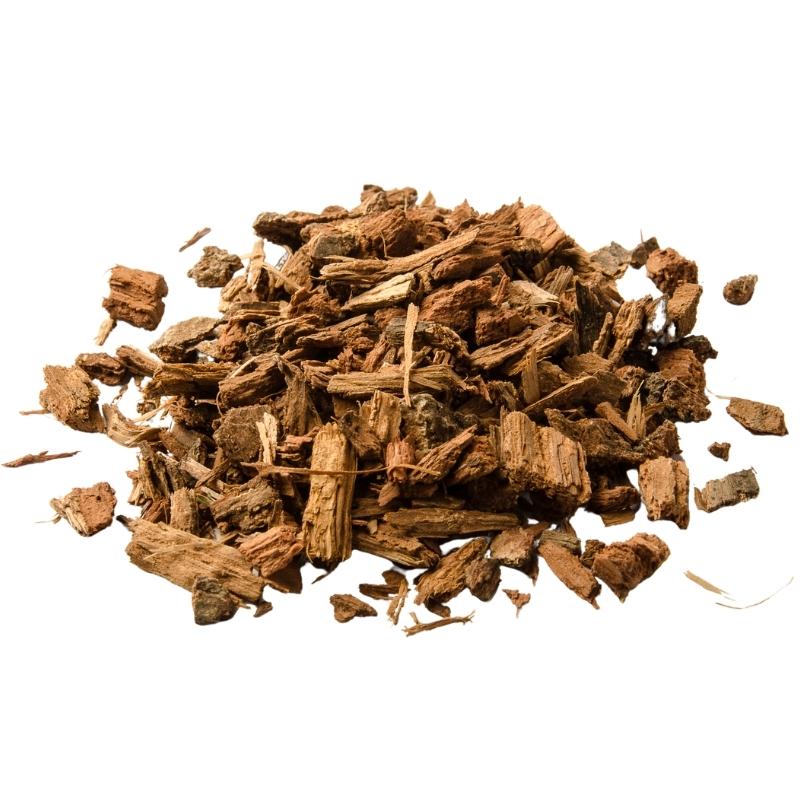
Oak Bark (Quercus alba) - Food Grade Bulk
Oak Bark (Quercus alba) - Food Grade Bulk
Prepared to order (5–7 day lead time) Packed - and where applicable, milled - on demand in audited facilities to ensure optimal quality.
Couldn't load pickup availability
Oak Bark is a bulk dried bark from Quercus alba , also known as white oak. It has a classic woody aroma and a distinctly tannic, astringent character. Traditionally used in European and North American herbalism, oak bark is commonly prepared as a decoction and used in astringent wellness routines, mouth rinses, gargles and brief external washes. The bulk cut bark format suits herbal makers, refill stores and apothecary-style users preparing tannin-forward blends regularly.
♡ Why we love it: Oak bark is firm, grounding and reliably astringent. It makes a structured decoction and blends well with softer companion herbs when a traditional woody botanical is wanted.
Key properties
- Botanical Name: Quercus alba
- Plant Part: Bark
- Form: Dried bark
- Aroma: Woody, earthy and grounding
- Flavour Profile: Tannic, earthy and astringent
- 100% Natural
- Food Grade
- Vegan Friendly
- Profile: Traditional astringent and toning bark
- Suitable For: Decoctions, Astringent Blends, Mouth Rinses, Gargles, Skin Rinses And Kitchen-Apothecary Preparations
- Storage: Store in a cool, dry place away from light and moisture
What it's used for
- Straightforward decoctions with a clean tannic profile
- Astringent herbal blends
- Mouth rinses and gargles
- Brief skin or foot rinses where a tightening feel is wanted
- Herbal compresses for intact skin
- Traditional toning preparations
- Bulk apothecary-style blending
Who it's for
- Herbal makers working with tannin-rich bark
- Bulk users preparing decoctions, gargles or rinses
- People wanting a traditional astringent botanical
- Makers blending oak bark with mellow herbs such as chamomile or lemon balm
- Pregnancy
- People who are constipated
- Broken or damaged skin
- Long-term internal use without professional guidance
- Use as a substitute for professional care for diarrhoea, gum disease, throat infections, wounds or inflammatory conditions
This Product Is For:
This Product Is Not For:
How to use
- As a Decoction: Add 1 teaspoon bark to 1 cup, 250 ml, water.
- Decoction Method: Bring to a boil, simmer for 10-15 minutes, then strain.
- Suggested Intake: Traditionally enjoyed up to 3 times daily, unless otherwise advised by a qualified professional.
- As a Gargle Or Mouth Rinse: Prepare a decoction, cool to a comfortable temperature, rinse or gargle briefly and spit out.
- As a Skin Rinse Or Compress: Apply a cooled, well-strained decoction briefly to intact skin.
- Processing Tip: Bark extracts best with gentle simmering rather than a short infusion.
Safety instructions
- Do not use if constipated
- Avoid during pregnancy
- External use on intact skin only
- Do not apply to broken or damaged skin
- Tannin-rich herbs may cause stomach discomfort in some individuals
- Consult a healthcare professional before use if you have a medical condition or take medication
- Discontinue use if any adverse reaction occurs
- Keep out of reach of children and pets
Faqs
Q: What is Oak Bark traditionally used for?
A: It is traditionally used in astringent decoctions, gargles, mouth rinses and brief external washes.
Q: Does Oak Bark need simmering?
A: Yes, bark is best prepared as a decoction by simmering it in water.
Q: What does Oak Bark taste like?
A: It has a woody, earthy and distinctly tannic taste.
Q: Who should avoid Oak Bark?
A: Avoid it during pregnancy and do not use it if constipated.
About These Botanicals
This product is grown in an organic and regenerative fashion with as minimal use of insecticides, pesticides, herbicides and fungicides as possible, in certified organic fertilizer. The product is sourced food grade. It is not certified organic. Suitable for Kosher, Halaal and Hindi diets.