

Formulating With Kojic Acid
Juliette van der MeerIn this guide, you’ll learn:
- what kojic acid is and how it works on pigmentation
- safe usage levels and EU regulatory limits
- how to formulate with kojic acid without destabilising it
- suitable pH ranges and storage requirements
- how to make a simple kojic acid solution and moisturiser
What Is Kojic Acid?
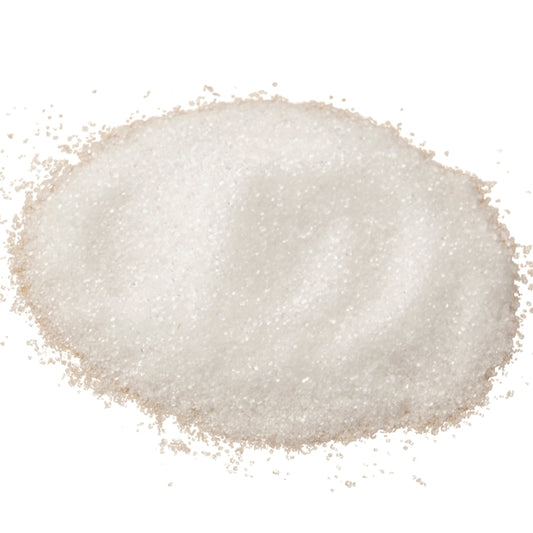
Kojic acid is a by-product of the rice fermentation process, and works as a skin lightener by inhibiting melanin production in the skin. This helps to even out dark marks and pigmentation, resulting in a smoother and lighter skin tone.
When Kojic Acid Is A Good Choice
- Hyperpigmentation and dark marks
- Uneven skin tone related to melanin overproduction
- Leave-on products designed for gradual results
When Kojic Acid May Not Be Appropriate
- Very sensitive or reactive skin
- Products exposed to high heat or light
- Formulations with high or unstable pH
How To Use Kojic Acid
Recommended usage rate: EU regulations recommend a maximum usage rate of 1% in leave-on products. This applies to finished cosmetic formulations intended for topical use. Higher concentrations are not recommended for home formulation.
Like most actives, kojic acid is most effective in a leave-on product for maximum exposure to the skin, however it can be used in rinse-off products as well.
How Soluble is Kojic Acid?
Kojic acid is relatively easy to work with as it is water soluble. Simply dissolve it into warm water (not hotter than 35 degrees C or it may oxidise) and then it is ready for use! We recommend using deionised water to assist in keeping it stable.
Stability And Safety Considerations For Kojic Acid
- Sensitive to heat (avoid temperatures above 35 °C once dissolved)
- Sensitive to light (store finished products in amber or opaque packaging)
- Sensitive to oxygen (limit air exposure during storage)
- Most stable at pH 3.5–4.5; degrades in alkaline conditions
Note: Please use sunscreen when using products containing kojic acid.
What is the recommended pH for Kojic Acid?
Kojic acid is most stable at low pH levels (3.5 - 4.5), and will destabilise in alkaline conditions. So ensure your formulation is in the acidic range and all ingredients are compatible.








2 comments
Hi Anna, I always use 0.5% Vitamin E. A little goes a long way :)
If i want to mix it with vitamin E what must be the quantity of the vitamin E