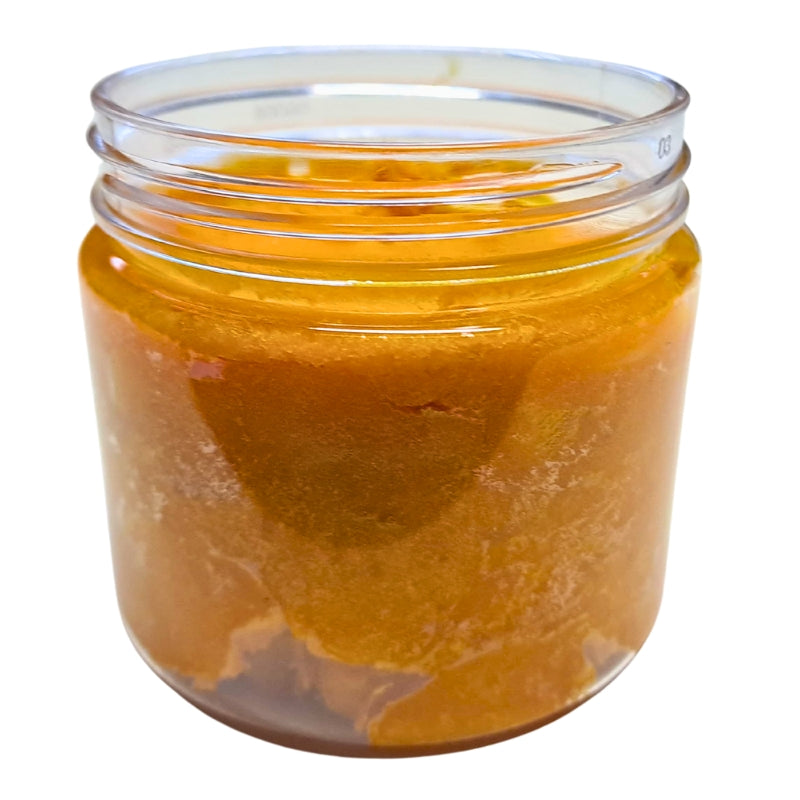
Grow Longer, Stronger Hair: How Batana Butter Heals, Hydrates & Boosts Your Scalp Health
Aiden van WykHave you noticed that your scalp is itchier than usual? Me too.
As temperatures drop, the cold air holds less moisture - and if you're anything like me, the heater's probably on full blast too, drying out your space (and your scalp) even more. But don't worry - you don't need to switch off the heater and wrap yourself up in seven layers just to keep your scalp happy. This winter, you've found your new favourite ingredient: Batana Butter.
It's deeply hydrating, yes - but it also works to protect and strengthen your hair from root to tip.
What Is Batana Butter?
Batana Butter has been used for generations by the Miskito people (yes, pronounced like mosquito :) of Honduras, who are known for their thick, beautiful dark hair. Like its sister, Batana "miracle" oil, it's derived from the nuts of the American Oil Palm and is indigenous to Central and South America.
The Composition of Batana Butter
Batana Butter is bursting with nutrients that soothe the scalp, create a protective layer, and help repair damage. Here's a quick look at its key components:
- Oleic Acid: Batana Butter is almost 50% pure Oleic Acid. This fatty acid penetrates both the scalp and the hair shaft, providing deep hydration and moisture retention. Once inside the hair shaft, it strengthens the hair, improves elasticity, and helps prevent breakage and split ends.
- Linoleic Acid: Linoleic Acid doesn't penetrate all that deep and works mostly on the surface. What it then does is nourish your skin barrier, as it's a key component in ceramide production and is an essential Fatty Acid (meaning our bodies don't naturally produce it). It nourishes the skin barrier, calms inflammation, and locks in moisture, making it especially valuable for an irritated or dry scalp.
- Palmitic Acid: Palmitic Acid is a thicker acid and does not really penetrate deeply either. Instead, it forms a silky, protective layer over the surface. That means it helps retain moisture, smooths the hair cuticle (thereby reducing frizz, inviting silkiness), and offers a bit of protection from environmental stress like UV radiation.
- Vitamin E: A go-to for many formulators, Vitamin E acts as an antioxidant powerhouse. It helps prevent breakage, supports scalp stimulation, and protects hair follicles from oxidative damage - all while contributing to stronger, more resilient hair.
- Phytosterols: Phytosterols are structurally very similar to cholesterol - a key part of our skin's own barrier - so they integrate easily into the scalp's lipid layers. This helps reduce irritation, repair the scalp's natural protective barrier, and support a healthy hair growth cycle.
Batana Butter also contains polyphenols, which are great for soothing the scalp, and beta-carotene, which the body can convert into Vitamin A as needed. Beta-carotene mainly acts as an antioxidant, protecting both scalp and hair from free radical damage and helping maintain overall hair and scalp health.
How to Use Batana Butter as An Intensive Treatment
Batana Butter is best used in products allowed to be left on the hair for some time. Here are some great ways to use it:
- Deep conditioner: 1-2 times a week after a gentle wash
- Leave-in treatment: Use a small amount post-wash - especially in protective styles
- Pre-shampoo treatment: Helps reduce protein loss and adds softness
How Fast Does Batana Butter Work?
The long-term benefits of Batana Butter are typically seen between 8-12 weeks of consistent use (though this depends on your hair's current condition and whether you're avoiding further damage). People with dry, damaged, or textured hair will notice the biggest transformation. It's also a game-changer for heat-damaged or colour-treated hair - perfect if you're trying to nurse your strands back to health.
Here's what Batana Butter can do:
- Reinforce your natural keratin structure
- Rebuild damaged hair cuticles
- Support elasticity and bounce
- Reduce breakage and brittleness
You can expect shine, smoother texture, better moisture retention, and improved manageability right away. By weeks 2-3, you may notice reduced breakage, fewer split ends, improved curl pattern, and easier detangling. By weeks 8-12, your hair may feel stronger, have better growth, and your scalp will be better nourished overall.
Comparing Batana Butter to Other Ingredients
Batana Oil vs Batana Butter
Batana Butter is more concentrated in beneficial compounds and more protective than the oil. That makes it ABSOLUTELY AMAZING for intensive treatments, especially for thick, natural hair - though it can be a bit heavy for fine hair unless used sparingly. Batana Oil on the other hand, while too being dense in beneficial compounds, is more easily applied on all sorts of hair types.
Batana Butter vs Coconut Oil
Batana Butter is better at retaining moisture and is less likely to clog the scalp, while Coconut Oil excels at protein retention, especially during washing. Low porosity hair tends to respond better to Batana Butter than to Coconut Oil.
Batana Butter vs Shea Butter
Batana Butter penetrates more deeply and has a superior fatty acid profile, but Shea Butter wins in terms of Vitamin A and F content. Shea also tends to sit on the skin longer before absorbing, while Batana absorbs more readily and offers better scalp support.
The Gift of Combination
The Oleic Acid levels in Batana Butter makes it a penetration enhancer - it can make your scalp and hair more receptive to other active compounds. Meaning that combining it with your other favourite ingredients boosts the functionality of their active ingredients, allowing your products to serve you better.
Can Batana Butter Be Used on All Hair Types?
Batana Butter is generally safe for all hair types, but how well it works for you can depend on your hair's porosity and texture. If you have high porosity hair, you're likely to love it - it helps fill in gaps along the strand and seals in moisture beautifully. For low porosity hair, it's still beneficial, but you might want to use it more sparingly and focus application on the ends, where your hair tends to be drier. It can absolutely work on fine hair too - you'd just want to balance it out with lighter oils to avoid weighing the hair down. That said, Batana Butter really shines on medium to coarse textures, where its richness can support strength, shine and softness without heaviness.
Does Batana Butter Boost Hair Growth?
Batana Butter can help you retain length, but it doesn't directly speed up growth. Let me explain:
Batana Butter strengthens the hair shaft, improves elasticity, and reduces breakage - meaning you're less likely to lose progress due to snapping or split ends. But unlike Caffeine, Pumpkin Seed Oil or Rosemary Essential Oil, it doesn't directly interact with the scalp in a way that accelerates growth.
Can Batana Butter Be Used on Skin?
Absolutely. It deeply moisturises and supports the skin barrier, making it helpful for eczema, dryness, stretch marks, and inflammation. Its antioxidants and other compounds also make it a powerful ally in anti-ageing routines, especially when paired with actives like Rosehip Oil - due to its linoleic acid boosting your receptivity of these ingredients.
Rosehip + Batana + Bakuchiol in an eye cream? A triple threat the darkest eye bags won't see coming!
Formulating with Batana Butter
Batana Butters Solubility
Batana Butter is oil-soluble and needs to be gently melted before use. To mix with water-based ingredients, use an emulsifier like Eco E Wax, Emulsifier HP 30, or Soy Lecithin. Include it in the heated oil phase with other oils and emulsifiers. It tolerates heat well and keeps its nourishing qualities.
Batana Butter Usage Rate
- 100% for pure butters or salves
- 3 - 10% in emulsions or creams
- Up to 50% in intensive balms, serums, or leave-in treatments
Adjust depending on the desired texture, product weight and skin/hair feel.
Ingredients That Combine Well with Batana Butter
Batana Butter blends beautifully with many oils and butters, especially:
- Lighter oils like Argan, Sweet Almond or Marula - to balance richness
- Repair-focused oils like Black Seed or Black Castor - for scalp and hair restoration
- Essential oils like Rosemary, Peppermint or Lavender - for scalp stimulation and aromatic benefits
What Kind of Products to Add Batana Butter to
Batana Butter works beautifully in:
- Hair masks, scalp butters, and leave-in conditioners
- Body balms for stretch marks, dryness, or skin repair
- Lip and cuticle balms
- Beard care - softens coarse hairs and moisturises the skin underneath
If regeneration, repair, and deep nourishment are your goals - Batana is the butter for you.