

Comfrey Leaves (Symphytum officinale) - Food Grade Bulk
Comfrey Leaves (Symphytum officinale) - Food Grade Bulk
4 in stock — ready to ship.
Couldn't load pickup availability
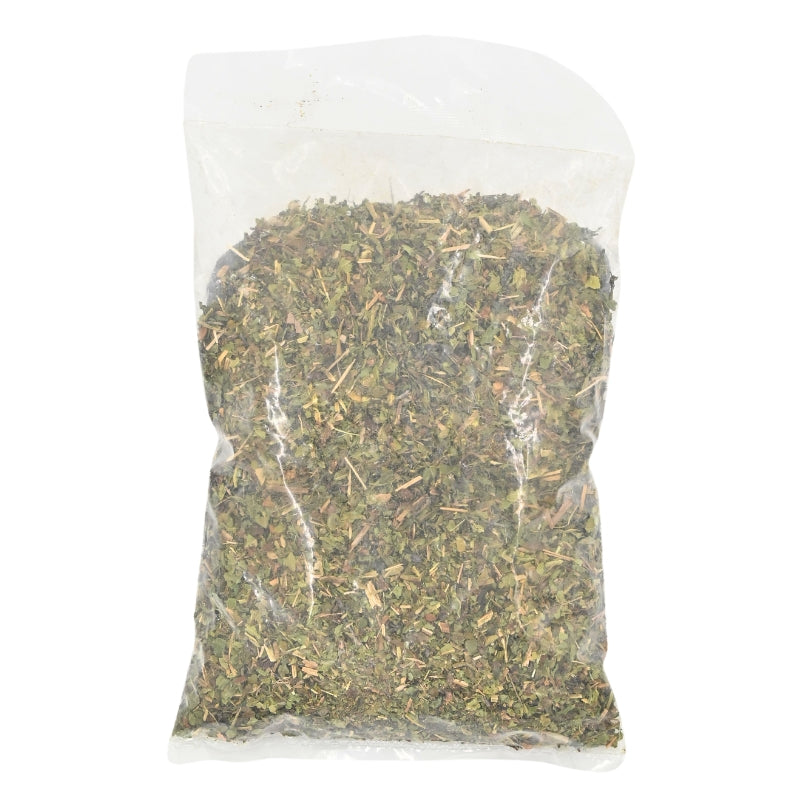
Comfrey Leaves (Symphytum officinale) are dried whole or cut leaves traditionally used in external herbal preparations. They are commonly infused into oils, or brewed into a strong tea for compresses and rinse-off skin routines. Comfrey leaf has a naturally soothing, mucilage-rich character that suits comfort-focused topical care. The bulk format is ideal for regular oil infusions and larger batch compress work.
Key properties
- Botanical Name: Symphytum officinale
- Plant Part: Leaf
- Form: Dried leaves
- Ingredients: Comfrey leaves (Symphytum officinale)
- Size Options: 250g, 500g or 1kg
What it’s used for
- Infused oils for balms, salves, and ointments
- External compresses using a strong, well-strained infusion
- Rinse-off soaks and wash-style routines for intact skin
- Herbal craft projects where whole leaf is preferred for straining
Who it’s for
- External compress routines and infused oil projects
- Makers who prefer dried leaf for easier straining than powders
- Batch preparation for balms, salves, and ointment bases
- Anyone looking for an internal tea herb
- Those wanting a ready-made topical product
- Projects that require use on broken skin
This product is suitable for:
This product is not for:
How to use
- External infusion for compress: Add leaves to freshly boiled water, steep until strong, strain through fine cloth, cool to lukewarm, then apply with a clean cloth to intact skin.
- Infused oil: Cover dried leaves with a carrier oil, infuse 2 to 4 weeks, strain very well, then use as a base for balms.
- Rinse-off soak: Prepare a strong infusion, strain well, add to a basin, and use as a brief soak.
Safety instructions
- External use only. Do not ingest.
- Do not apply to broken skin, deep or puncture wounds, or large areas for prolonged periods.
- Contains naturally occurring pyrrolizidine alkaloids (PAs). Avoid use if you have liver disease or use hepatotoxic medicines.
- Not recommended during pregnancy or while breastfeeding. Not for infants or children.
- Patch test before use and discontinue if irritation occurs.
- If you have a medical condition or take medication, consult a qualified healthcare practitioner before use.
- Keep out of reach of children and pets.
Faqs
Q: Are dried leaves easier to strain than powder?
A: Yes. Leaf infusions and oils generally strain more easily than powders.
Q: Can comfrey be used in a bath soak?
A: A well-strained infusion can be added to a soak for intact skin, keeping the routine brief and rinse-off.
Q: What carrier oils work well for comfrey infusions?
A: Many prefer stable, skin-friendly oils such as sunflower, olive, or sweet almond oil for infused oil projects.
About These Botanicals
This product is grown in an organic and regenerative fashion with as minimal use of insecticides, pesticides, herbicides and fungicides as possible, in certified organic fertilizer. The product is sourced food grade. It is not certified organic. Suitable for Kosher, Halaal and Hindi diets.


Recently viewed
Related Reads
-

Perimenopause vs Menopause: How to Age Gracefully
Curious about how to navigate the changes that come with aging? If you're feeling uncertain about your body’s transitions—you’re not alone.
Perimenopause vs Menopause: How to Age Gracefully
Curious about how to navigate the changes that come with aging? If you're feeling uncertain about your body’s transitions—you’re not alone.
-

DIY Herbal Hair Rinses
Learn all about the herbs that are great for hair and how to use them in a herbal rinse!
DIY Herbal Hair Rinses
Learn all about the herbs that are great for hair and how to use them in a herbal rinse!
-

Herbal Hair Serums & Mists
Learn how to make botanical hair mists and oil hair serums for the healthiest hair!
Herbal Hair Serums & Mists
Learn how to make botanical hair mists and oil hair serums for the healthiest hair!


