What Magnesium Oil Does - And How To Make It yourself
Aiden van WykLately, we’ve been getting quite a few queries about magnesium oil - what it is, what it does, and whether we stock it.
The short answer is: we don’t.
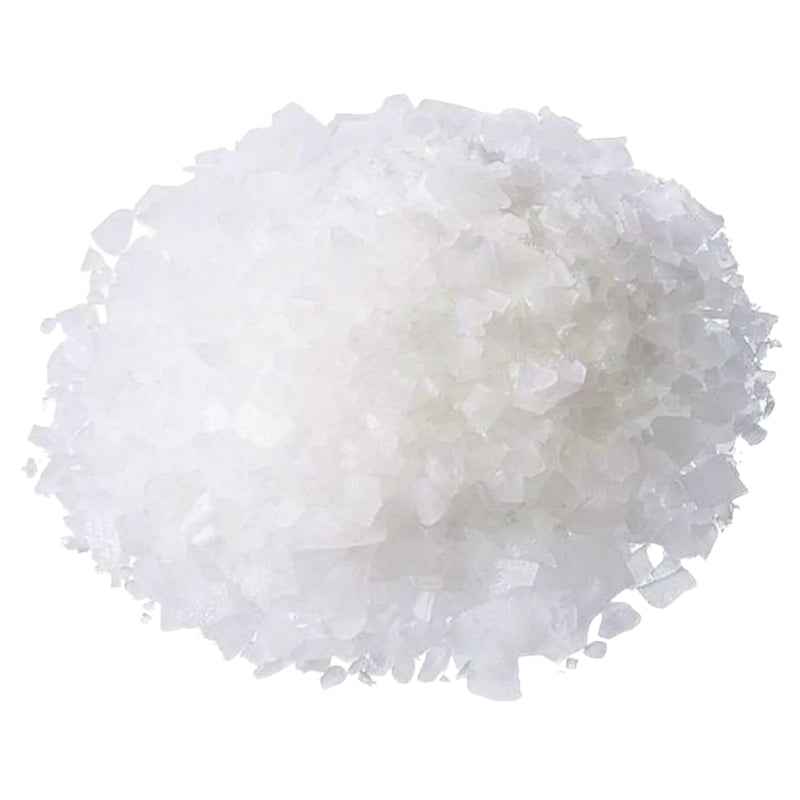
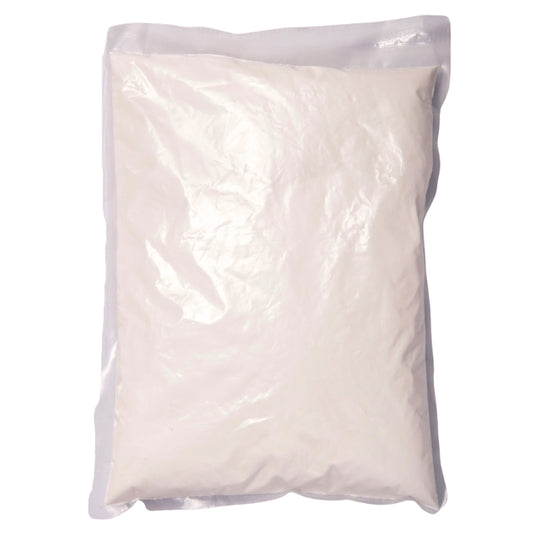
Not because it isn’t valuable (magnesium is essential for the body), but because magnesium oil is so simple/easy to make oneself. So instead of stocking it, we thought we’d show you how to make your own using two simple ingredients: magnesium chloride flakes and distilled water.
What is Magnesium Oil?
Magnesium oil is most commonly used on the body - not so much in facial skincare - for muscle relaxation, recovery, and general wellbeing.
It’s made by dissolving magnesium chloride flakes into water.
Despite the name, it’s not actually an oil. It’s a concentrated mineral water that just feels slightly oily or silky on the skin.
What Does Magnesium Do In The Body?
Magnesium plays a big role in how “switched on” or “settled” your nervous system feels - and a lot of that comes down to how your nerve cells communicate.
One of the main ways it does this is by regulating NMDA receptors. While that name sounds hectic, all that means is that these control how signals move between your nerve cells.
You can think of it like roads and traffic cops. Signals (like cars) are always moving, but magnesium acts a bit like a traffic cop - helping regulate how much is allowed through at a time.
Without enough magnesium, those signals can come through too quickly or too intensely, which can leave your system feeling overloaded. The classic “tired but wired” feeling lives here.
Because of this, magnesium is involved in:
- Stress response – helping regulate cortisol so your body isn’t constantly sitting in a low-level stress state
- Calming pathways in the brain – supporting GABA, which allows your brain and body to slow down
- Preventing overstimulation – helping manage how calcium enters nerve cells, so they don’t keep firing without pause

What Magnesium Does In Muscles Specifically
Magnesium and calcium work together when it comes to muscle movement, but they do opposite things.
Calcium helps muscles contract. Magnesium helps them release.
If magnesium is lacking, muscles don’t fully relax - which is where that tight, crampy, or slightly tense feeling can come in.
Magnesium is also tied into:
- Energy production – it’s involved in the processes your cells use to create energy, so low levels can feel like fatigue
- Recovery – it helps your body deal with byproducts like lactate, which build up during exercise and can contribute to muscle soreness
A quick note: high caffeine or alcohol intake can increase how much magnesium your body loses - so even if you’re getting some in, your body might not be holding onto it.
What Does Magnesium Oil Do?
Magnesium oil is most commonly applied topically for:
- Supporting muscle relaxation
- Easing feelings of tension in the body
- Being part of a calming wind-down routine in the evening
While magnesium can be absorbed through the skin, how effective it is as a main source of magnesium for the body is still actively discussed/debated.
In practice, it’s best thought of as part of a broader routine - alongside magnesium-rich foods like pumpkin seeds, chia seeds, cashews, dark chocolate (+70% cocoa) and boiled spinach.
Why Does Magnesium Oil Tingle?
Magnesium oil can cause a tingling or slightly itchy sensation when first applied.
This mostly comes down to the fact that it’s a very concentrated salt solution. When applied to the skin, it can draw water slightly and interact with the surface of your skin - especially if your barrier is a bit compromised.
That sensation tends to be stronger if:
- Your skin is dry
- You’ve recently shaved
- The solution is very concentrated
Diluting the solution, adding humectants like glycerine, or applying to damp skin can help reduce this.
Can You Add Glycerine (or Other Ingredients) To Magnesium Chloride?
Yes - but with intention.
Magnesium oil on its own can feel slightly drying, or even a little irritating.
Adding ingredients like vegetable glycerine can help soften the feel on the skin and reduce that slightly prickly sensation.
Typical additions:
- 2–5% vegetable glycerine (for hydration and skin feel)
- 5–10% aloe vera liquid gel (for soothing)
- Small amounts of glycerites or teas (for added skin benefits)
You can also build it into a light gel using a thickener like hydroxyethyl cellulose.
That said, once you start adding other ingredients, you’re changing the formula. Which you should account for.
Adding things like glycerine, aloe, or botanicals can make it more “microbe-friendly”- making a preservative more important for safety and stability.