WATCH: Natural Mango Lip Ointment
The Institute of Personal Care ScienceFind here explored how to make your own natural lip ointment, with the option of adding a subtle tint, while also sharing practical formulation tips to help you adapt the ingredients to options that are easier to source locally.
Perfect for dry lips, this is a simple formula you can make your own. Watch here and see how it all comes together!
Ingredients:
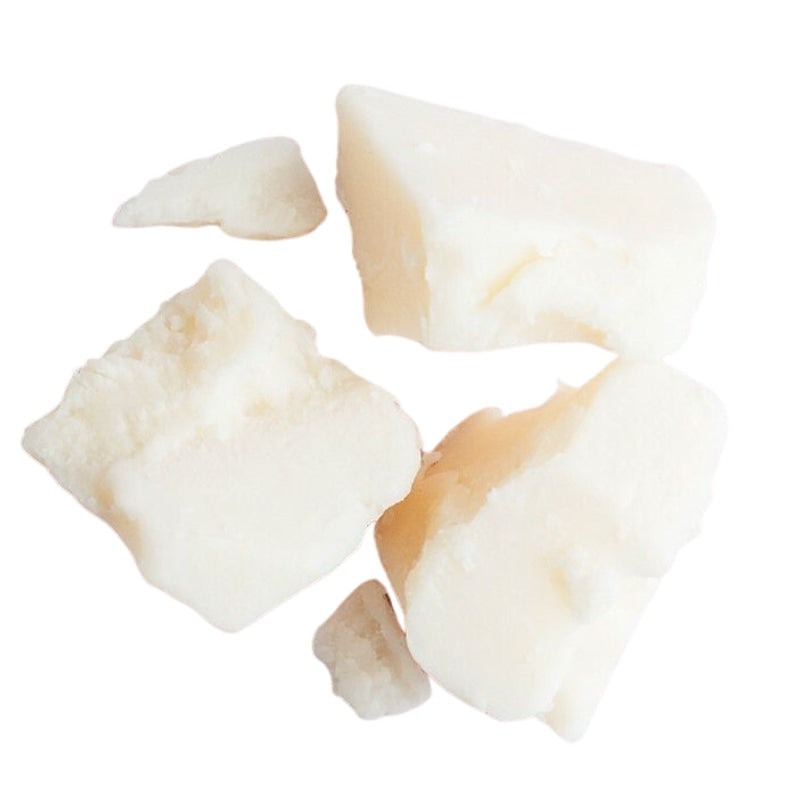
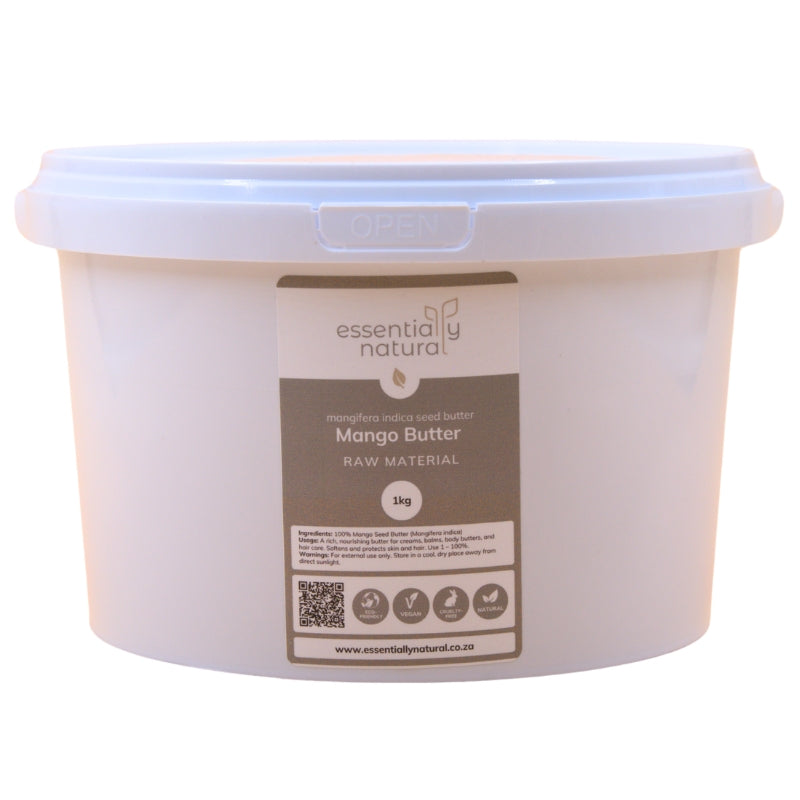
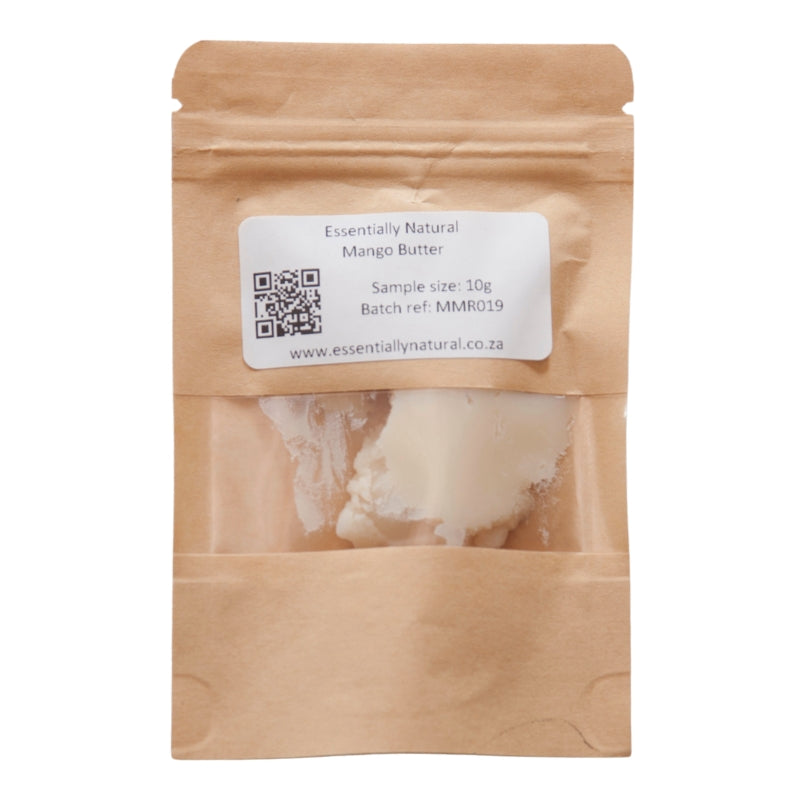
- Mango Butter: Rich in Stearic and Oleic Acids, acts as an emollient and helps form a protective layer over the lips, reducing moisture loss.
- Castor Oil: A common lip gloss and balm base, rich in Ricinoleic Acid and has a naturally thick, glossy texture that gives good adhesion and shine.
- MCT Oil / Capric Caprylic Triglycerides: A lightweight, low-odour emollient that improves slip and spreadability while helping reduce the heavier feel of Mango Butter and Castor Oil.
- Sapogel Q - Naturally sourced oil-gelling ingredient used to create soft balm and oil-gel textures.
- Humectant - Helps attract and retain water, supporting lip hydration.
- Harmony Soft Fluid - Naturally derived emollient designed as an alternative to lightweight silicones. It improves spreadability while reducing greasiness and tack.
- Tocopherol - An antioxidant that helps slow oxidation of oils and butters.
- Lipid Soluble Colourant - Optional. Consider cosmetic-grade Mica or another colourant specifically suitable for use in lip products.
Notes On Alternatives We House:
Sapogel Q:
Sapogel Q naturally turns oils and butters into soft balm textures. While we don't stock Sapogel Q, we do stock Soy Lecithin.
Soy lecithin is not a direct replacement for Sapogel Q. Rather than gelling oils in the same way, it acts primarily as a co-emulsifier and conditioning ingredient. In this formula, we combine it with Mango Butter and Cetyl Alcohol to create the structure and richness of the ointment.
The Lecithin may also help incorporate the small amount of Vegetable Glycerine into the oil-rich formula which adds a layer of humectancy, while also making it more technically challenging.
Humectant:
The humectant used wasn't mentioned, so we'll be going with Vegetable Glycerine.
Harmonie Soft Fluid:
Harmonie soft fluid was used as a substitute for silicone. That's why we thought of Squalane, a good alternative because it gives a similarly light, silky and elegant skin feel, helping reduce the heavy or greasy sensation of richer oils. Unlike Harmonie Soft Fluid it is not volatile, so it will remain on the lips rather than partially evaporating, making the finished balm slightly richer.
Formula Using Available Ingredients:
- 25% Mango Butter
- 12% Castor Oil
- 30% MCT / Capric Caprylic Triglycerides Oil
- 6% Soy Lecithin
- 3% Cetyl Alcohol
- 3% Vegetable Glycerine
- 20% Squalane
- 0.5% Tocopherol
- 0.5% Mica
Please Note: Because this adapted formula uses different ingredients from the original video, the method also changes slightly. In particular, the Soy Lecithin and Vegetable Glycerine need to be warmed and combined carefully to improve incorporation and reduce the chance of separation. For this version, follow the method below rather than the exact process shown in the video.
Method:
- Combine the Mango Butter, Castor Oil, MCT Oil, Soy Lecithin and Cetyl Alcohol in a heat-safe beaker. Gently heat until the Mango Butter and Cetyl Alcohol have completely melted and the mixture is smooth and uniform.
- In a second small heat-safe container, gently warm the Vegetable Glycerine. Try to have both mixtures at a similar warm temperature before combining them.
- Begin blending the oil and lecithin mixture with a stick blender. Very slowly drizzle the warm Vegetable Glycerine into the oil phase while continuously blending.
- Lecithin can be a little more challenging to work with than a conventional emulsifier. Adding the glycerine very gradually, keeping both phases warm and using high-shear blending will give you the best chance of creating a smooth, stable ointment.
- Continue blending for a few minutes, stopping occasionally to scrape down the sides of the beaker if necessary. The mixture should become smooth, glossy and evenly combined.
- Continue stirring or blending intermittently as the ointment cools. Once it has cooled to below approximately 40°C, add the Squalane, Tocopherol and Mica.
- Blend or stir thoroughly until completely uniform, then transfer into a clean, dry jar while the mixture is still soft and pourable.
- Allow the ointment to cool completely at room temperature before sealing the jar. Its final texture may continue developing over the next several hours, so ideally assess the consistency the following day.