Transform Your Skin and Hormone Health with Pumpkin Seeds & Pumpkin Seed Oil

Transform Your Skin and Hormone Health with Pumpkin Seeds & Pumpkin Seed Oil

Cayla Mandean

Discover how pumpkin seeds and pumpkin seed oil may support hormonal balance, skin health, and overall wellness.

Our skin is deeply connected to our hormonal rhythm… and that’s true for both men and women. 

When estrogen or testosterone shifts, when stress hormones spike, when blood sugar swings up and down — your face often shows it first. Breakouts. Oiliness. Dry patches. Inflammation. That “why is my skin acting like this?” feeling.

Hormones don’t just affect mood and energy. They influence sebum production, collagen levels, inflammation, and even how quickly your skin heals.

And one of the simplest, most overlooked tools to support balance? Seeds.

Especially pumpkin seeds.

Let’s talk about why this humble seed deserves a permanent spot in your wellness and skincare routine.

What Are Pumpkin Seeds?

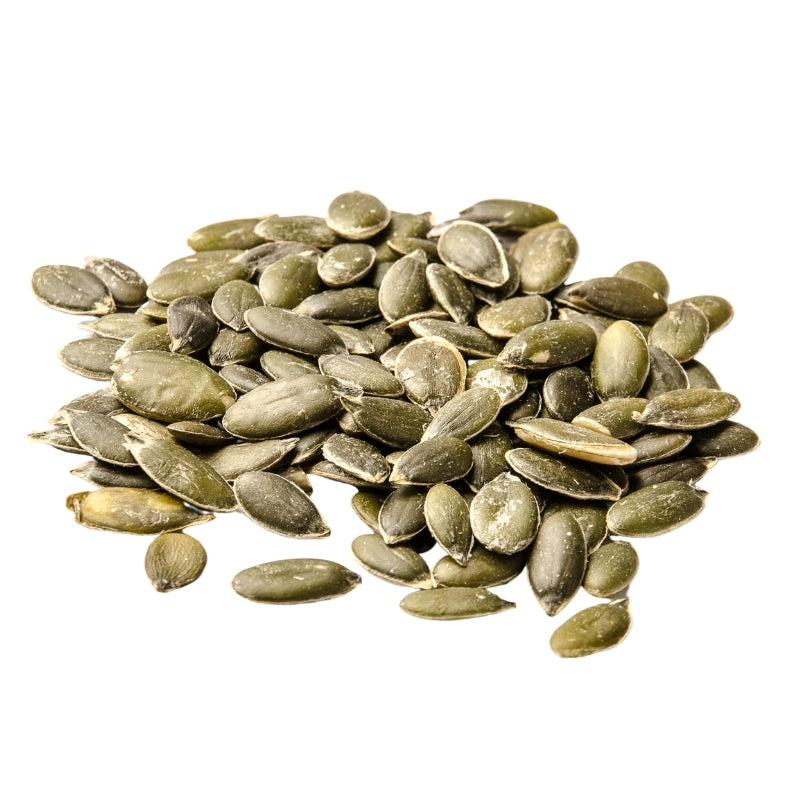
Pumpkin seeds (Cucurbita pepo), also known as pepitas, are small but incredibly nutrient-dense seeds found inside pumpkins. The oil extracted from these seeds is deep green, rich, and packed with essential fatty acids, antioxidants, and minerals.

Both the seeds and the oil offer therapeutic benefits. Internally, pumpkin seeds may be good for hormonal and metabolic health, and topically for skin nourishment and barrier repair.

What Are the Health Benefits of Pumpkin Seeds?

Pumpkin seeds may not look like much… until you realise how much they’re doing behind the scenes.

They’re nutritionally dense, yes, but they’re also easy to include in your diet. Sprinkle them over a salad. Blend them into a smoothie. Throw them into a trail mix. Add them to oats. 

And maybe this sounds familiar…

You’re glowing one week, breaking out the next.

  • You feel wired but exhausted.
  • You crave sugar.
  • Your hair feels thinner than it used to.
  • You can’t sleep deeply.
  • Painful pimples.
  • PMS or hormonal imbalances
  • Stress-triggered skin flare-ups

Feeling… unbalanced.

Very often, the body is asking for specific micronutrients and essential fats.

Pumpkin seeds happen to contain several of the most important ones.

1. Pumpkin Seeds Are Seriously Nutrient-Dense

Magnesium and zinc are two of the standout minerals in pumpkin seeds. Magnesium helps your body with energy production, muscle and nerve function, and overall metabolic balance. Zinc supports immune health and plays a key role in skin repair and hormonal balance.

On top of that, the antioxidants in pumpkin seeds help protect your cells from everyday oxidative stress, which contributes to aging and inflammation over time.

In short? They’re doing a lot more than just adding crunch to your salad.

2. Zinc’s Role in Hormonal & Skin Health

Even when studies aren’t looking at pumpkin seeds specifically, we know a lot about zinc itself… and it’s powerful.

Zinc is essential for:

  • Steroid hormone production (like estrogen and testosterone)
  • Immune system regulation
  • Tissue repair and wound healing

If your skin struggles with inflammation, slow-healing breakouts, or recurring acne, zinc may be part of the bigger picture. It helps regulate oil gland activity and supports the immune response that calms acne-related inflammation.

It’s also crucial for proper hormone production, which means it influences more than just your skin. Zinc, also abundant in pumpkin seeds, plays an important role in male fertility and sperm health.

3. Magnesium’s Role in Stress, Sleep & Metabolism

Magnesium is often called the “calm mineral” and for good reason.

It’s involved in hundreds of biochemical reactions in the body, including energy production and blood sugar regulation.

Magnesium helps regulate cortisol (your stress hormone) and supports muscle and nerve relaxation, which can improve sleep quality.

Better sleep and stable blood sugar don’t just help you feel better; they often show up as calmer, clearer skin, too. Why? Because hormones and skin are deeply connected.

4. Healthy Fats, Phytosterols & Antioxidants: A Triple Boost

Pumpkin seeds contain polyunsaturated fats like linoleic acid, which help build strong cell membranes, support balanced hormone production, and, similar to zinc, regulate inflammatory pathways. On top of that, phytosterols may help lower cholesterol absorption, support heart health, modulate hormones, and further reduce inflammation.

Add in their antioxidants (vitamin E, carotenoids, and phenolic compounds), and you have a trifecta that helps neutralise free radicals, reduce oxidative stress, calm chronic inflammation, and support healthy aging.

5. Blood Sugar & Metabolic Support

Regular consumption of pumpkin seeds has been associated with improved glucose regulation and metabolic health as part of a balanced diet.

One major reason? Magnesium and healthy fats.

Higher magnesium intake has been linked to:

  • Improved insulin sensitivity
  • Better post-meal blood sugar control
  • Reduced risk of type 2 diabetes

When blood sugar is more stable, energy levels are steadier and inflammatory skin flare-ups are often reduced.

6. Sleep Support

Pumpkin seeds contain tryptophan, an amino acid that helps your body produce serotonin and melatonin. Both of these hormones are essential for restful sleep.

Combined with magnesium’s calming effects, pumpkin seeds can be a surprisingly supportive food for better sleep quality and ultimately, healthy, glowing skin.

While research is ongoing and still evolving, the nutrient profile of pumpkin seeds makes them a valuable addition to both men’s and women’s wellness routines.

What Are the Skincare Benefits of Pumpkin Seed Oil?

Now that we’ve covered the seeds themselves, let’s talk about the oil. While pumpkin seeds do wonders from the inside out, pumpkin seed oil works beautifully on the outside, too. And honestly? It doesn’t get nearly the hype it deserves.

Here’s why it’s worth including in your skincare routine:

1. Strengthens the Skin Barrier

Rich in linoleic acid, pumpkin seed oil helps repair your skin’s natural barrier, keeping moisture in and environmental irritants out. Your skin stays hydrated, plump, and resilient.

2. Balances Acne-Prone Skin

Even though it’s deeply nourishing, pumpkin seed oil is lightweight and absorbs quickly. Thanks to its zinc content and anti-inflammatory properties, it’s gentle yet effective for blemish-prone or hormonally sensitive skin.

3. Improves Skin Elasticity

Contains vitamin E and antioxidants, pumpkin seed oil helps preserve collagen, supporting firmer, more supple skin over time.

4. Calms Redness & Irritation

Its anti-inflammatory profile makes it a go-to for sensitive skin, redness, or hormonal flare-ups. It helps your skin look calmer and healthier.

5. Supports Mature Skin

Phytosterols in pumpkin seed oil help improve overall skin tone and may even reduce the appearance of fine lines with consistent use.

How to Incorporate Pumpkin Seeds into Your Routine

Internally:

  • Add 1–2 tablespoons of pumpkin seeds to smoothies, oats, or salads.
  • Use in seed cycling during the follicular phase.
  • Snack on them roasted (preferably dry-roasted to preserve nutrient quality).

Topically:

  • Use pumpkin seed oil as part of your oil cleansing routine.
  • Blend a few drops into your evening moisturiser.
  • Formulate into balms, serums, or cleansing oils.
How to make a pumpkin seed make-up remover balm

Pumpkin Seed Powered Cleansing Balm

Gain the benefits of healthy fats…  not just for your hormones, but for your glow with my favourite make-up remover. Make it with:

Ingredients

Phase A

30.92% Capric Caprylic Triglycerides (MCT Oil) (Lightweight emollient that dissolves makeup without clogging pores. Leaves skin soft, not greasy.)

25.00% Pumpkin Seed Oil (Barrier-repairing, antioxidant-rich, supports acne-prone and mature skin.)

5.00% Apricot Oil (Gentle and nourishing)

10.00% Grapeseed Oil (Balances sebum production and supports acne-prone skin.)

15.00% Cetearyl Alcohol (Thickens and stabilises the balm while adding softness)

Phase B

5.00% Soy Lecithin (Helps emulsify oils and supports skin barrier integrity.)

5.00% Olivem 300 (Natural solubiliser that helps the balm rinse off cleanly with water.)

3.00% Vegetable Glycerine (Humectant that draws moisture into the skin.)

Phase C

0.50% Marine Collagen (Supports skin elasticity and a plump appearance.)

0.50% Vitamin E Oil (Antioxidant supports skin repair.)

0.04% Frankincense Essential Oil (Used to tone and rejuvenate skin.)

0.04% Cedarwood Essential Oil (Balancing for oily and acne-prone skin.)

Method

  1. Combine Phase A ingredients. Heat to 75°C and stir until fully melted and uniform.
  2. In a separate container, combine Phase B and stir until fully homogenous.
  3. Slowly add Phase B to Phase A in small portions, stirring gently between additions until completely combined.
  4. Allow mixture to cool slightly (to approximately 65°C) and add Phase C. Stir thoroughly.
  5. Pour into containers while still molten. Cap once cooled below room temperature.
  6. Use as the first step in your double cleansing routine.
The benefits and use of Pumpkin Seed Oil

Usage:

Use as the first step in your double cleansing routine: Gently massage a small amount onto dry skin to dissolve makeup, sunscreen, and impurities. Then, add a little water to emulsify the balm, and rinse away, leaving your skin clean, nourished, and soft.

When your cleansing routine nourishes instead of strips, your skin barrier thanks you. 

If you’re curious about taking things a step further, cycle-seed syncing is a simple way to connect what you eat with your body’s natural hormonal rhythm. By choosing specific seeds during different phases of your cycle, you can support clearer skin, better energy, and even more restful sleep.

Remember: healthy skin starts with balance. Hormones, lifestyle, nutrition, and gentle skincare all play a role. And with pumpkin seeds and pumpkin seed oil in your toolkit, you’re giving your body and your skin exactly what they need to thrive.

FAQ

Q1: Can both men and women benefit from pumpkin seeds and oil?
Yes! Pumpkin seeds support hormone balance, metabolism, and skin health in both men and women.

Q2: How many pumpkin seeds should I eat daily?
1–2 tablespoons daily is ideal. Some wellness routines, like “seed cycling,” suggest using pumpkin seeds during the follicular phase (Day 1–14) to support nutrient intake, but scientific evidence is limited.

Q3: Is pumpkin seed oil good for acne-prone skin?
Yes! It’s lightweight, absorbs quickly, and its zinc and anti-inflammatory properties make it perfect for blemish-prone or hormonal skin.

Q4: Can I use pumpkin seed oil on sensitive skin?
Absolutely. It calms redness and irritation while supporting the skin barrier.

Q5: Can I combine pumpkin seeds and oil in one routine?
Yes! Internally for hormone and metabolic support, topically for barrier repair, acne reduction, and elasticity.

References:

Top 11 Science-Based Health Benefits of Pumpkin Seeds

 A Comprehensive review of functional ingredients, especially bioactive compounds present in pumpkin peel, flesh and seeds, and their health benefits 

Pumpkin Seeds as a Natural Remedy for Anemia: Nutritional Insights and Therapeutic Potential - PMC

Pumpkin seeds as nutraceutical and functional food ingredient for future: A review - ScienceDirect

Does Zinc Balance Hormones? The Science Explained - Biology Insights

A Comprehensive review of functional ingredients, especially bioactive compounds present in pumpkin peel, flesh and seeds, and their health benefits - ScienceDirect

What are the health benefits of pumpkin seeds?

Cayla Mandean

With a passion for skincare, wellness, and storytelling, Cayla is here to cut through the clutter and empower you with clear, research-backed, actionable knowledge to elevate your beauty routine and well-being. If she’s not outside in nature, at the gym, reading or spending time with her loved ones, you will find her creating clear, impactful content that inspires and informs. Her goal? To make sure you feel confident in your choices and enjoy the journey to an empowered, happier you!

Disclaimers

We love sharing DIY recipes, natural tips, and wellness inspiration with you! The content on the Essentially Natural Blog is here to inform and inspire, but it’s important to keep the following in mind as you explore:

Product Use & Medical Guidance

Unless specifically stated otherwise, our products and recipes are intended for external use only. Always follow usage instructions carefully, use ingredients mindfully, and patch test first whenever trying an ingredient/formulation for the first time. The content on our blog is shared for informational and educational purposes and is not intended to replace professional medical advice, diagnosis, or treatment. If you’re pregnant, breastfeeding, on medication, or managing a health condition, please consult a qualified healthcare provider before using new ingredients or remedies.

Results May Vary

Natural ingredients can do wonderful things—but they’re not one-size-fits-all. What works beautifully for one person may not have the same effect for another. Your skin type, health, and lifestyle all play a role in how your body responds, so please keep that in mind. We also can’t guarantee the shelf life or stability of DIY formulations. For longer-term storage or commercial use, professional testing is always recommended

Content Accuracy

We put a lot of love and effort into making sure our content is accurate and up to date. That said, things change, and honest mistakes can happen. Please use your own good judgment and cross-check information if needed.

Third-Party Content

From time to time, we may share advice, resources, or links from third parties we trust. While we select these thoughtfully, we can’t take responsibility for their accuracy or practices—so please explore with care.

Copyright & Intellectual Property

Unless otherwise noted, all content, images, and recipes on this blog are the property of Essentially Natural. We’re always happy when our community shares and spreads the word—just please do so responsibly and with proper credit.

If you’d like more information on any ingredient or topic, feel free to reach out to us—we’re always happy to help. Alternatively, click here to view our full Terms of Service.


Thank you for being part of our natural DIY formulation community ♡