WATCH: How To Make Non-Greasy Face Oil Serums (Easy Guide to Oil Polarity and Esters)
The Institute of Personal Care ScienceSource: The Institute Of Personal Care Science https://www.youtube.com/watch?v=qecs9wRwpLY
I'm sure you've made a face oil before and noticed it left this thick, heavy feeling on your skin - just a bit too much. That’s because, when it comes to facial oils that feel like the ones you find in stores, there’s usually a special kind of base ingredient used to improve absorption.
While we LOVE plants oils, it doesn’t mean you can just swap one for another and expect the same feel. They all have their own properties and behaviours.
See the video above to learn how to build a facial oil that feels good on the skin - without greasy residue, unwanted shine, or that sticky after-feel.
What are Light Esters?
Light esters are usually lab-made compounds, but they feel like ultra-light oils. Technically, they’re formed by reacting an acid with an alcohol - which makes them esters by definition. They’re silky, non-greasy, and fast-absorbing - perfect for face oils that don’t leave any shine or sticky layer behind.
Why do you use a Light Ester?
- Super lightweight and non-greasy
- Fast-absorbing with a silky or dry finish
- Improve slip and glide on the skin
- Does not leave behind shine, gloss, or a sticky layer
- Often non-comedogenic and perfect for oily or acne-prone skin
They’re often used to dilute heavier oils and give that smooth, “barely there” feel in serums. You’ll notice when you use a light ester, it absorbs fast and leaves little to no residue - unlike many traditional plant oils that can sit on top of the skin or leave a shine.
That said, light esters don’t offer much in terms of deep nourishment or long-lasting emollience - and that’s exactly where your richer oils come in.
Common Natural Light Ester Options You Can Try:
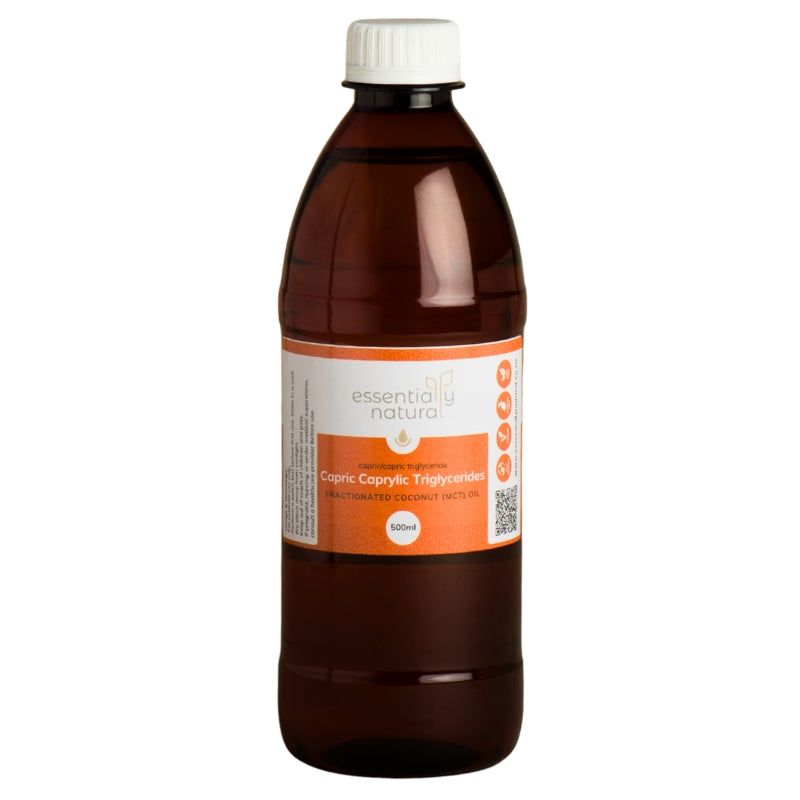
- Caprylic/Capric Triglycerides (MCT Oil) (techincally not an ester, but shares many of the same skin-feel qualities.)
- Coco-Caprylate
- Isoamyl Laurate
In a face oil, you can start with as little as 5%, but for the best texture, they usually make up the majority - anywhere from 30–50% of the blend - to help reduce shine and heaviness.
A Quick & Easy Guide to Oil Polarity
Polarity might sound like something that only matters in water-based products, but it’s actually useful in oil formulation too - especially when you’re trying to predict:
- How oils will blend together
- How fast they’ll absorb
- How they’ll feel on the skin
Polarity affects absorption.
- More polar = more absorbent.
- Less polar = slower, heavier.
That's why you can know the general polarity of an oil by observation and practical experience.
Think of it like this:
More Polar Oils = Faster Absorbing
They’re higher in “energy,” so they change states quickly - meaning they penetrate the skin faster and tend to feel drier or lighter.
Examples: Rosehip, Evening Primrose, Camellia, Squalane, Light Esters
Less Polar Oils = Slower Absorbing
They’re more “stable” and take their time to absorb, often leaving a heavier or glossier finish.
Examples: Castor, Coconut, Olive, Butters, Lanolin
Why Does Oil Polarity Matter?
When you combine oils with very different polarities, they can separate over time. That’s not a huge issue - just shake or stir to recombine. But even on the skin, if the polarity gap is too big, it might feel uneven: one oil might sink in while the other just sits there.
For smoother, more cohesive textures, it helps to combine:
- High-polarity oils with other high-polarity oils
- Low-polarity oils with low-polarity oils
What About Creams and Moisturisers And Polarity?
You might be thinking: “But in moisturisers, I mix light and heavy oils all the time?”
That works because you’re dispersing those oils in water and emulsifying them - the chemistry changes, and the emulsion creates a brand new texture. But when your product is 100% oil-based, those differences in polarity can show up more visibly - either separating or feeling mismatched.
In balms and solid products (like hair waxes), formulators often add texture agents like cetearyl alcohol or Beeswax to help bridge the gap between light and heavy oils, creating a more stable, unified feel.
Do I Still Need Vitamin E in Oil Blends?
Yes!
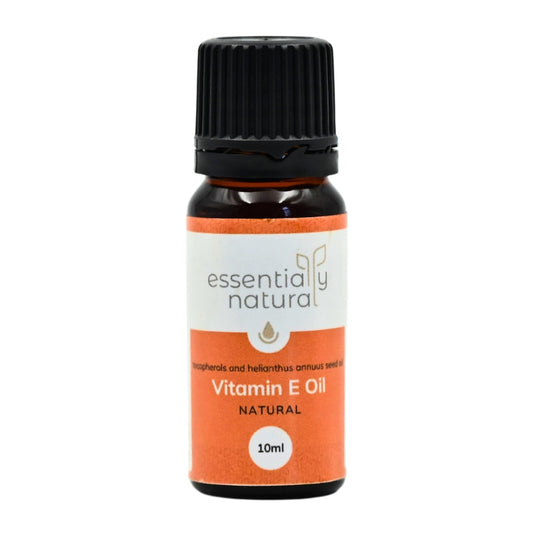
Vitamin E is your go-to antioxidant for oils. It helps extend shelf life and protects your formula from oxidation and rancidity. And because you’re usually adding it in small amounts (around 1%), its polarity isn’t a concern - it tends to solubilise well into most oil blends.