Why Argan Oil Deserves a Spot in Your Routine
5 min read Cayla Mandean
Growing up with naturally curly hair has always been an adventure, one filled with challenges and moments of doubt. Maybe you've felt the pressure to fit into beauty standards that celebrate straight hair, and like me, you've tried straightening your curls to blend in.
It took me a long time to truly embrace my natural curls, learning to love their shape and uniqueness. But honestly? Some days, I just really crave that sleek, straight look. Especially when it is a special occasion and I just want the convenience of already styled, "easier" to manage hair.
While we know that frequent heat styling can leave your hair dry, brittle, and prone to breakage, the truth is that any heat styling - whether often or occasionally - requires a heat protectant.
For years, I searched for a heat protectant that didn't weigh down my hair or leave it coated with harmful chemicals. That's when I came across Argan Oil, and guess what? It isn't just amazing in hot oil treatments, hair growth serums and conditioners. It quickly became my go-to before heat styling.
Not only did it lightly shield my hair from heat damage, but it also smoothed down flyaways and tamed the frizz that used to sabotage my sleek styles. And trust me… I have FRIZZY hair.
If you love your curls but want to switch your hairstyle once in a while, here's why argan oil should be your go-to.
Why Argan Oil Works as a Light, Natural Heat Protectant & Frizz Fighter
1. Argan Oil forms a Protective Barrier
It coats each hair strand with a thin, lightweight layer of fatty acids and antioxidants. This natural barrier helps shield hair from the high temperatures of flat irons and curling wands, reducing moisture loss and heat damage by offering light thermal protection. Tip: Try to keep your hot tools under 180°C if using natural oils like argan oil as a protectant base.
2. Deeply Nourishes and Hydrates the Hair
Argan Oil is rich in oleic and linoleic acids, which replenish lost moisture caused by heat styling. Well-hydrated hair is less prone to dryness and breakage.
3. Smooths the Hair Cuticle and Controls Frizz
Heat styling often lifts the hair cuticle, leading to frizz and flyaways. Argan oil helps flatten and seal the cuticle, creating a smooth surface that reflects light and reduces frizz, leaving hair silky and shiny.
4. Provides Antioxidant Protection
It has a high concentration of vitamin E and polyphenols. Both of these are powerful antioxidants. This antioxidant protection can reduce oxidative damage to the hair shaft, supporting healthier, stronger hair over time.
5. Lightweight and Non-Greasy
Unlike many oils, you will definitely notice that argan oil absorbs quickly without weighing hair down or leaving a greasy residue. I can attest to the fact that it is perfect for maintaining volume and natural movement when your hair is styled straight.
How to Use Argan Oil for Heat Styling
- Pre-Heat Styling: Apply 2-3 drops of argan oil evenly through damp hair before blow-drying or using heat tools.
- Post-Styling Touch-Up: Smooth a small amount over dry hair to tame flyaways and add shine.
- Deep Conditioning: Use as an overnight treatment on heat-stressed hair or split ends to repair and nourish the hair strands.
The best part? Argan oil does more than protect your hair from heat and reduce frizz during straight styling; it also helps maintain softness, manageability, and moisture when you return to your natural curls.
One of my favourite ways to use it is in my scalp care routine by massaging a few drops into my scalp for 5-10 minutes… sometimes even with my head tilted upside down to help boost circulation. This can encourage nutrient flow to the follicles and support conditions needed for healthy hair growth, like improved scalp hydration and circulation.
I do this before I wash my hair, so you can consider it a Pre-Wash Treatment.
Plus, did you know argan oil is amazing in skincare too?
Can Argan Oil Be Used in Skincare?
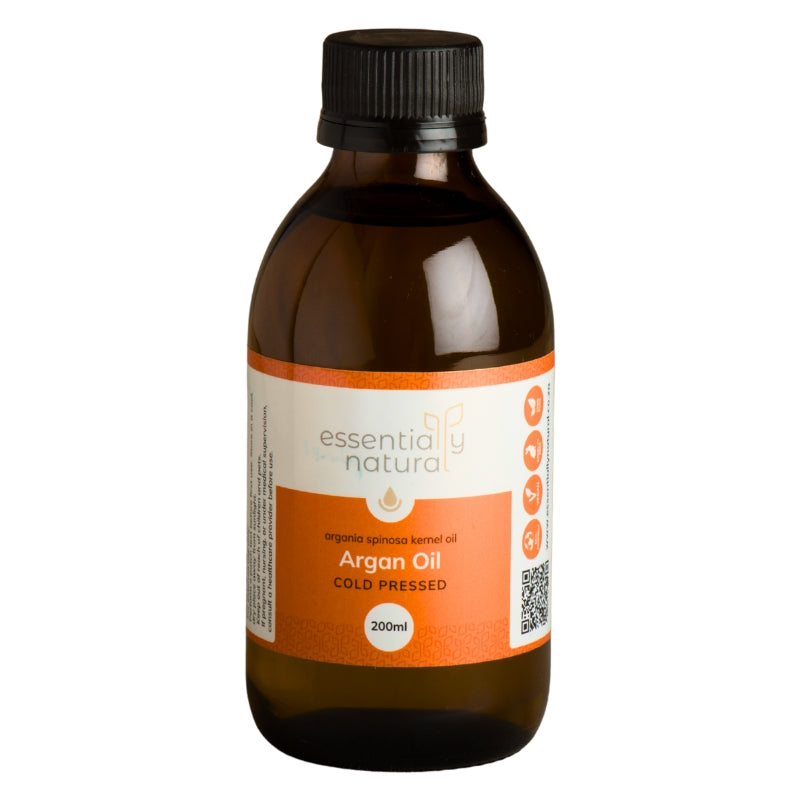
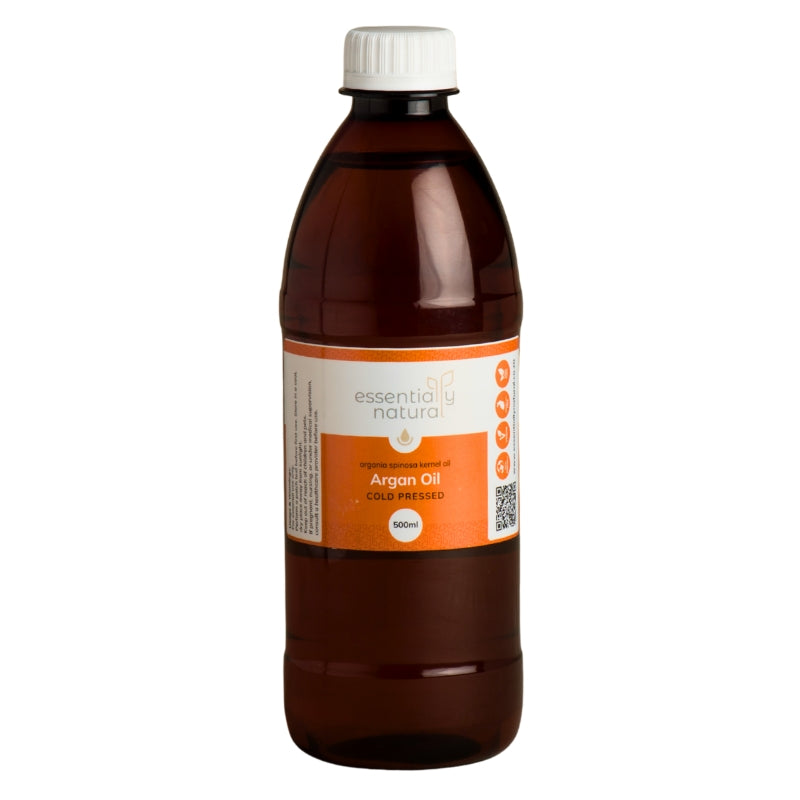
Yes! Argan Oil is a cold-pressed botanical oil derived from the kernels of the Argania spinosa tree, native to Morocco.
Why cold-pressed?
This gentle extraction method preserves the oil's rich profile of bioactive compounds, including essential fatty acids, antioxidants, and vitamin E.
Why does this matter?
Because it means you're getting the oil in its purest, most potent form. Thus delivering maximum nourishment to your skin and hair.
What makes Argan Oil beneficial for your skin?
It helps support deep hydration, skin repair, anti-aging, and, as we touched on earlier in the blog… scalp health. It is even great as a cuticle treatment.
1. Deeply Moisturises the Skin
Argan Oil moisturises dry, rough, or irritated skin by reinforcing the hydrolipidic film (your skin's natural moisture barrier.) It's also non-comedogenic, meaning it won't clog pores and is less likely to cause breakouts.
Thanks to its antioxidant profile, Argan Oil is often used to relieve eczema, psoriasis, and dermatitis. It reduces irritation, redness, and flaking by calming inflammation and restoring lipid function.
2. Fights Signs of Aging
Vitamin E, squalene, and sterols help protect against oxidative stress, which contributes to wrinkles, fine lines, and loss of elasticity. Argan Oil supports collagen production and improves skin elasticity.
In a controlled trial, Argan Oil significantly increased skin elasticity and hydration in postmenopausal women after 60 days of use (both topically and orally).
3. Calms Acne & Balances Sebum
Its anti-inflammatory and antimicrobial properties help support the needs of blemish-prone skin. Linoleic acid also helps regulate sebum production, making it suitable for oily and acne-prone skin types. While it is generally well-tolerated, we always suggest patch-testing before widespread use.
4. Supports Skin Repair
Argan oil can help improve the appearance of stretch marks or scars, especially when used consistently over time. While it won't make them disappear completely, it supports the skin's elasticity, hydration, and healing, which can reduce their visibility and help prevent new ones from forming.
How to Easily Incorporate Argan Oil in Your Skincare Routine
- Apply 2-3 drops as a simple, facial oil serum before moisturiser or on its own.
- Mix with rose water to create a DIY facial toner. Tip: shake before use.
- Add a few drops to your bath for all-over hydration.
- Target stretch marks or scars with direct application.
- Massage into nails and cuticles to strengthen and protect.
Now… for some fabulous DIY recipes you can try: