Jojoba Seed Powder (Natural Exfoliant) - Essentially Natural
Jojoba Seed Powder (Natural Exfoliant) - Essentially Natural
Restock in progress Stock may still be with our manufacturing team or arriving shortly. Orders usually ship within 1-3 working days.
Couldn't load pickup availability
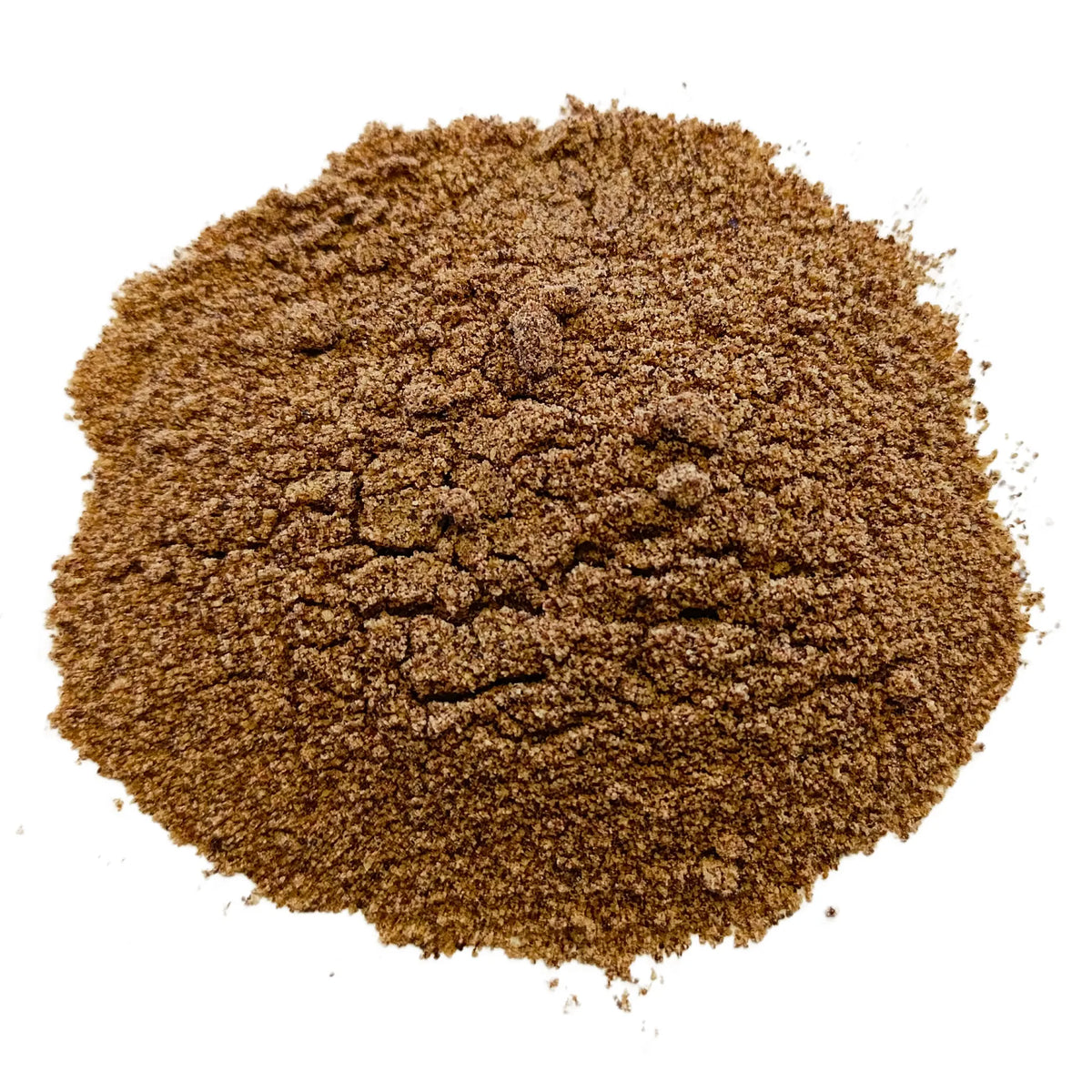
Jojoba Seed Powder is a fine, natural exfoliating ingredient made from the seed material remaining after jojoba oil has been mechanically pressed. With its gently textured, fibrous particles, it helps polish away dead surface skin cells when used in suitable rinse-off skincare formulations. Its fine particle size makes it especially versatile for facial scrubs, body polishes, cleansing bars and exfoliating creams or gels. Made from 100% botanical material, it provides a biodegradable alternative to synthetic plastic exfoliating beads.
♡ Why we love it: We love that the seed material left after jojoba oil pressing can be given another useful purpose. Its fine botanical texture makes it a wonderfully versatile ingredient for creating customised facial and body exfoliants.
Key properties
- INCI Name: Simmondsia Chinensis (Jojoba) Seed Powder
- Botanical Name: Simmondsia chinensis
- Plant Part: Jojoba seeds, following oil pressing
- Country Of Origin: South Africa
- Form: Fine, fibrous powder
- Appearance: Light brown to beige
- Particle Size: 100–250 microns
- Solubility: Insoluble in water
- Function: Natural physical exfoliant and texture enhancer
- Typical Usage Rate: 1–10% of the finished formulation, depending on the desired exfoliating effect
- Biodegradable: Yes
- Suitable For: Facial scrubs, body polishes, exfoliating cleansers, soaps and rinse-off skincare formulations
- Storage: Store tightly sealed in a cool, dry place, protected from moisture and excessive heat
What it's used for
- Creating natural facial scrubs and exfoliating cleansers
- Adding a fine polishing texture to body scrubs and exfoliating treatments
- Incorporating botanical exfoliating particles into handmade soaps
- Formulating rinse-off cleansing creams and gels with a gentle scrubbing action
- Preparing exfoliating facial masks and botanical powder blends
- Providing a biodegradable alternative to synthetic plastic exfoliating beads
Who it's for
- DIY skincare enthusiasts creating natural face and body exfoliants
- Soap makers looking to introduce a fine botanical scrubbing texture
- Cosmetic formulators developing natural rinse-off cleansers and polishing treatments
- Anyone looking for a plant-derived alternative to synthetic exfoliating particles
- Those looking for smooth, spherical jojoba wax beads
- Formulations requiring an exfoliant that dissolves completely in water
- Products requiring a completely smooth, particle-free finish
- Leave-on products where solid exfoliating particles would be unsuitable
This Product Is For:
This Product Is Not For:
How to use
- As a Facial Scrub: Incorporate a small amount into a suitable facial scrub or cleansing base. Begin at the lower end of the recommended usage range and gradually adjust to achieve the desired polishing texture.
- As a Body Polish: Blend into a suitable body scrub, cleansing cream or gel, mixing thoroughly to distribute the particles evenly.
- As a Soap Additive: Add to handmade soap formulations to create a natural exfoliating texture. Mix evenly throughout the soap mixture and adjust the amount according to the desired scrubbing effect.
- As an Exfoliating Mask: Combine with suitable clays or botanical powders to create a gently polishing rinse-off mask. Add water immediately before use to achieve the desired consistency.
- Formulation Tip: Jojoba Seed Powder is insoluble in water and remains as solid particles in the finished formulation. Choose a base with sufficient thickness or suitable suspension properties to help distribute the particles evenly.
- Preservation Tip: Water-containing formulations intended for storage require an appropriate preservative system and stability testing. Adding botanical powders to existing formulations can affect their stability and preservation.
Safety instructions
- For external use only.
- Avoid inhaling the fine powder during handling and blending.
- Avoid contact with the eyes.
- Patch test finished skincare preparations before use.
- Do not use on broken, damaged or irritated skin.
- Use gentle pressure when exfoliating, particularly on delicate facial skin.
- Discontinue use if irritation occurs.
- Keep the powder dry and prevent moisture or contamination during storage.
Faqs
Q: Is Jojoba Seed Powder the same as jojoba scrub beads?
A: No, they're two different ingredients. Jojoba Seed Powder is made from finely ground seed material left after oil
pressing, giving it a naturally fibrous texture. Jojoba wax beads are generally smooth, rounded particles made from
processed jojoba wax. They offer a different exfoliating feel and behave differently in formulations.
Q: What's the difference between Jojoba Seed Powder and Baobab Fruit Powder?
A: Both are botanical powders that can be incorporated into natural skincare, but they offer different textures.
Jojoba Seed Powder contains insoluble seed particles that provide a more noticeable physical polishing effect. Baobab
Fruit Powder is made from much finer fruit pulp and is partially soluble, making it especially useful in botanical
masks and subtler polishing blends.
Q: Can I add Jojoba Seed Powder to a liquid body wash?
A: Yes, provided the formulation can support the suspended particles. Because the powder doesn't dissolve, it may
settle in very thin liquids. A suitably thickened or structured base can help maintain a more even distribution.
Q: Does Jojoba Seed Powder offer the same benefits as jojoba oil?
A: Not quite. Jojoba oil is primarily used as an emollient to soften and condition the skin, while Jojoba Seed Powder
is used mainly for physical exfoliation. They come from the same plant but serve different purposes in skincare
formulations.
Q: Can I add it to a ready-made cream or cleanser?
A: You can experiment with suitable rinse-off bases, but adding an ingredient to a finished product may change its
texture, stability or preservation. Start with a small test batch and assess the finished formulation before making
larger quantities.