
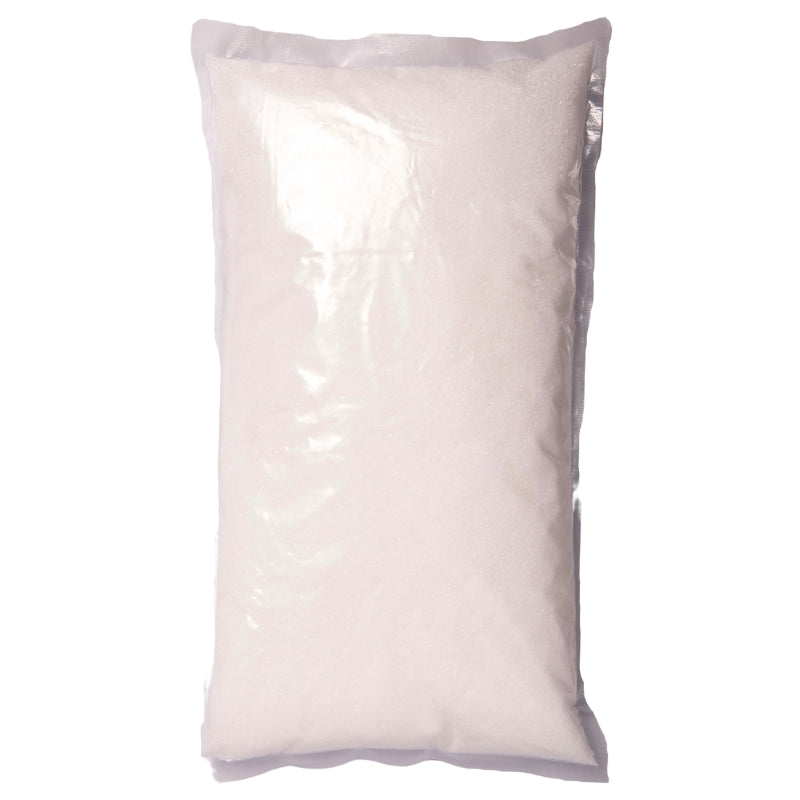
CFI Citric Acid Monohydrate - Food Grade (1kg)
CFI Citric Acid Monohydrate - Food Grade (1kg)
4 in stock — ready to ship.
Couldn't load pickup availability
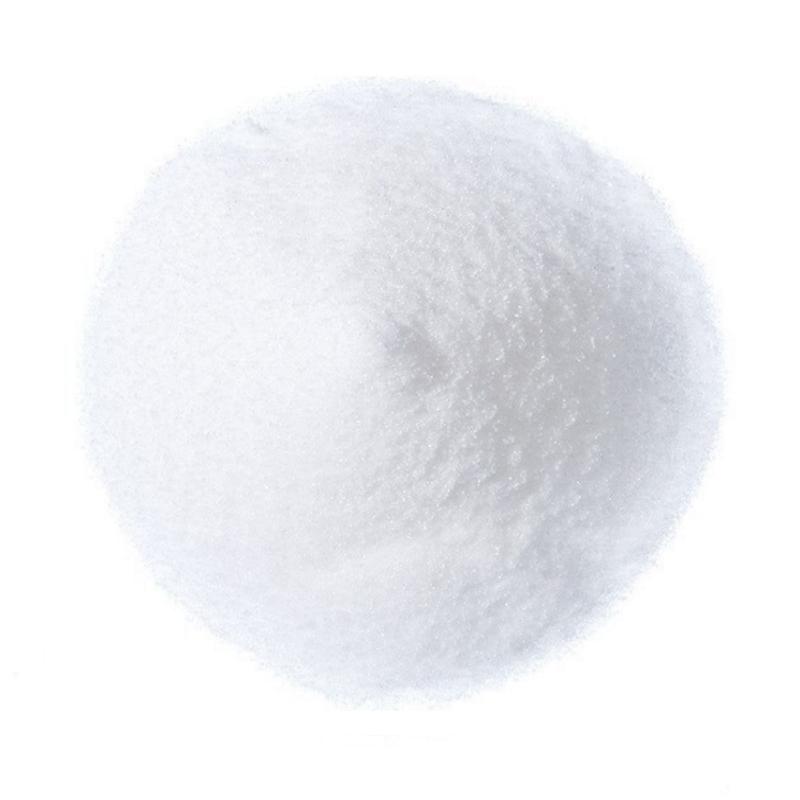
CFI Citric Acid Monohydrate is a food-grade organic acid supplied as a white crystalline powder containing a small amount of bound crystal water. It is used in foods and beverages to regulate acidity, balance flavour and help establish the pH needed by suitable preservation systems. It is also useful in cosmetic and household formulations for pH adjustment and the removal of mineral deposits. This is a functional acid ingredient, not a complete preservative or ready-made cleaning product.
♡ Why we love it: Citric Acid Monohydrate is a dependable, multipurpose ingredient for food making, formulation and household use. We especially like its usefulness in liquid food systems, sauces, syrups and beverages where controlled acidity is important.
Key properties
- INCI Name: Citric Acid
- Grade: Food Grade
- Ingredient Type: Organic acid and acidity regulator
- Type: Monohydrate
- Form: White crystalline powder
- Solubility: Water soluble
- Food Function: Acidulant, acidity regulator and flavour-balancing ingredient
- Cosmetic Function: pH adjuster
- Household Function: Mineral deposit and limescale remover
- Biodegradable
- Food Use Level: Add according to the recipe, required acidity and applicable regulations
- Suitable For: Foods, Beverages, Cosmetic Formulations And Household Cleaning Products
- Storage: Store tightly sealed in a cool, dry place away from moisture, heat and direct sunlight
What it's used for
- Adjusting acidity in foods and beverages
- Balancing sweetness and adding a tart flavour
- Sauces, syrups, preserves and fruit preparations
- Helping establish the required pH for a preservation system
- Cosmetic and personal care pH adjustment
- Removing limescale, soap scum and hard-water mineral deposits
- DIY household cleaning blends
Who it's for
- Food and beverage makers who need controlled acidity
- Makers preparing sauces, syrups or preserves
- Cosmetic formulators able to test finished-product pH
- Household cleaning makers working with mineral build-up
- Users looking for a biodegradable acid ingredient
- Use as a complete preservative by itself
- Direct consumption as an undiluted powder
- Direct application to skin or teeth
- Use without accurate measurement and pH testing
- Dry fizzing products where anhydrous citric acid is preferred
This Product Is For:
This Product Is Not For:
How to use
- As a Food Acidulant: Add gradually according to the recipe and desired acidity.
- In Liquid Foods: Dissolve fully into the water phase before making final flavour and pH adjustments.
- To Support Preservation: Use to help establish the required acidity, then validate the complete preservation system.
- As a Cosmetic pH Adjuster: Prepare a diluted solution and add gradually while monitoring pH.
- In Cleaning Products: Dissolve into water at a concentration suitable for the cleaning task.
- Processing Tip: The monohydrate form contains bound water and is not interchangeable with the anhydrous form on an exact weight-for-weight basis in every technical recipe.
Safety instructions
- Do not consume the concentrated powder directly
- Avoid inhaling airborne dust
- Avoid contact with eyes
- Concentrated solutions can irritate skin and mucous membranes
- Prolonged contact with teeth can contribute to enamel erosion
- Do not mix with chlorine bleach or incompatible cleaning chemicals
- Store tightly sealed and protected from moisture
- Keep out of reach of children and pets
Faqs
Q: What is the difference between monohydrate and anhydrous citric acid?
A: The monohydrate form contains bound crystal water, while the anhydrous form does not.
Q: Can Citric Acid Monohydrate be used in food?
A: Yes. It is food grade and can be used as an acidity regulator according to the recipe and applicable regulations.
Q: Is this the preferred form for bath bombs?
A: Anhydrous citric acid is generally easier to use in dry fizzing products because it contains less moisture.
Q: Does it preserve food by itself?
A: No. It helps adjust acidity but does not replace a complete, validated preservation process.


