
-
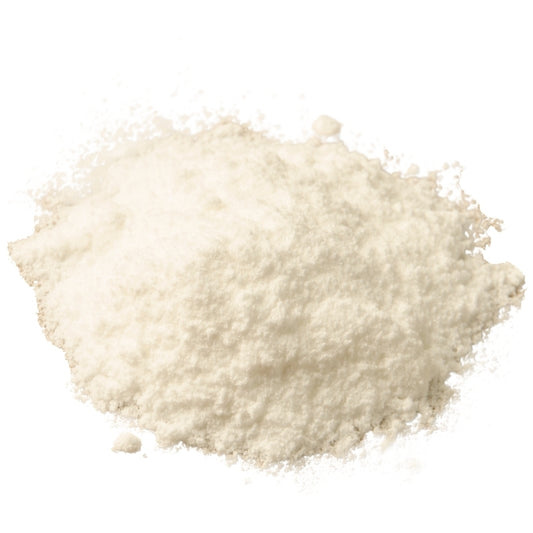
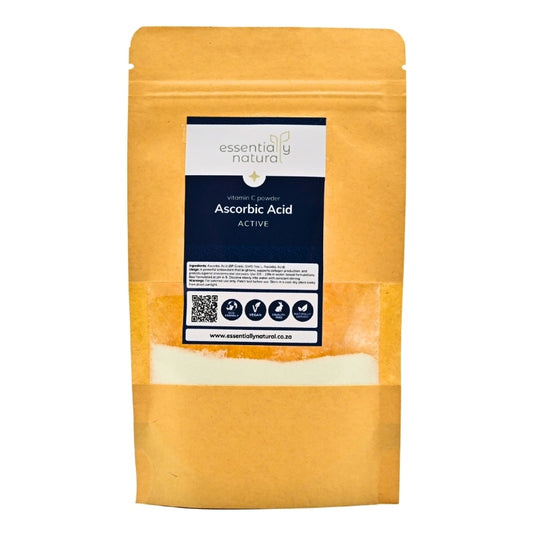
Essentially Natural Ascorbic Acid (Vitamin C) Powder - BP Grade
Regular price from R 29.00Regular priceUnit price per -
Essentially Natural Geogard 221 - ECOCERT
Regular price from R 49.00Regular priceUnit price per -
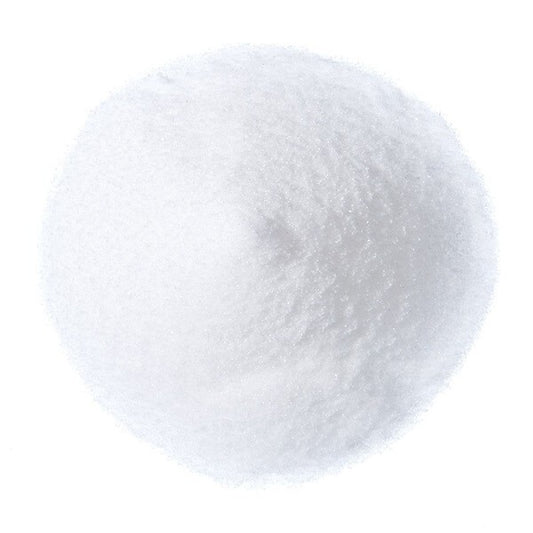
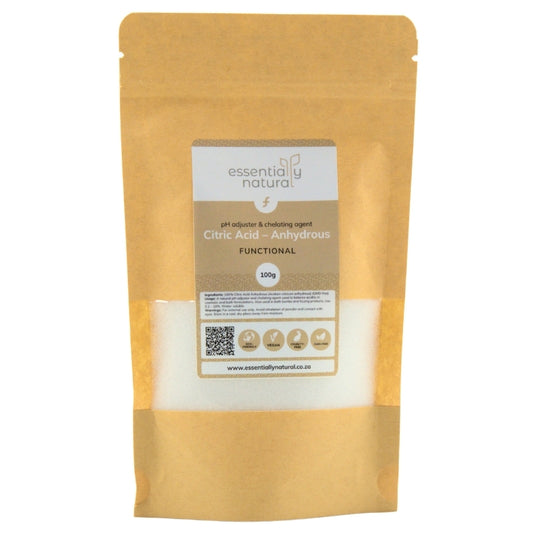
Essentially Natural Citric Acid - Anhydrous
Regular price from R 29.00Regular priceUnit price per -
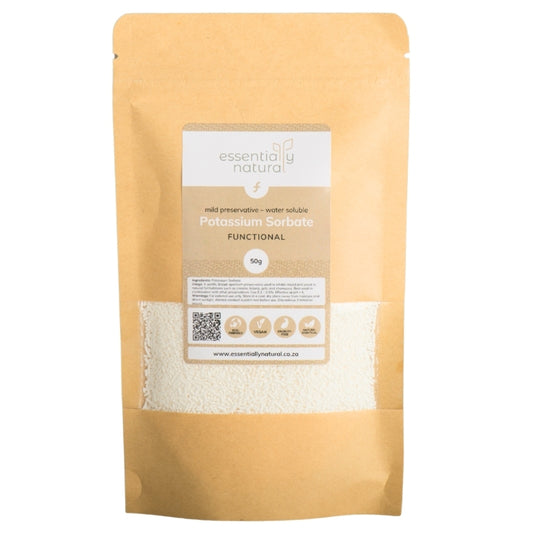
Essentially Natural Potassium Sorbate
Regular price from R 29.00Regular priceUnit price per -
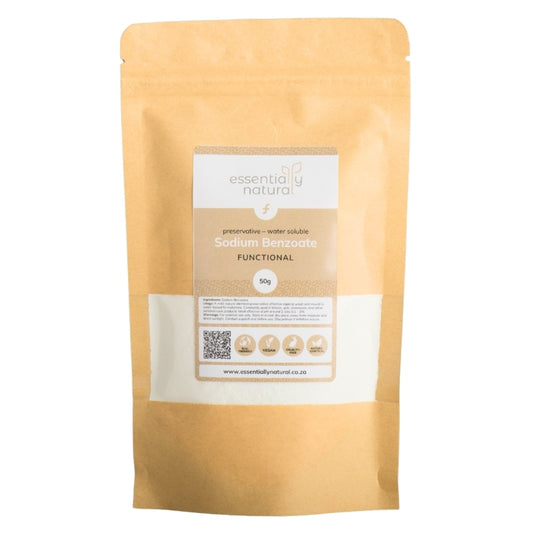
Essentially Natural Sodium Benzoate
Regular price from R 29.00Regular priceUnit price per -
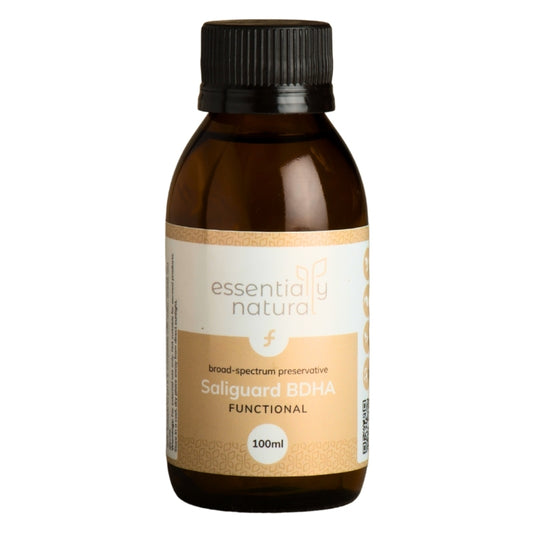
Essentially Natural Saliguard BDHA
Regular price from R 49.00Regular priceUnit price per -
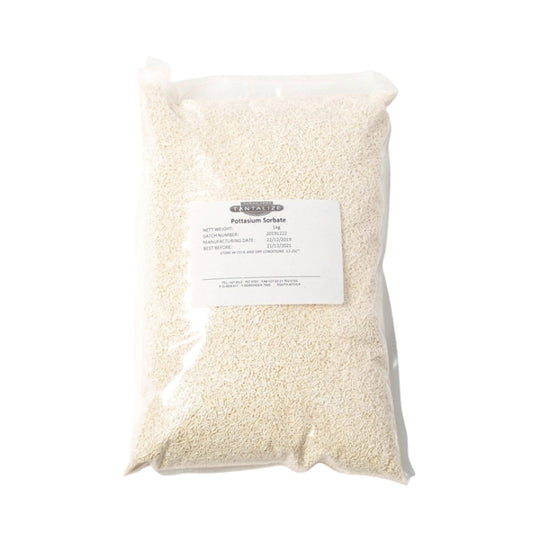
CFI Potassium Sorbate - Food Grade (1kg)
Regular price R 275.00Regular priceUnit price per -
CFI Ascorbic Acid Vitamin C Powder - Food Grade (1kg)
Regular price R 429.00Regular priceUnit price per -
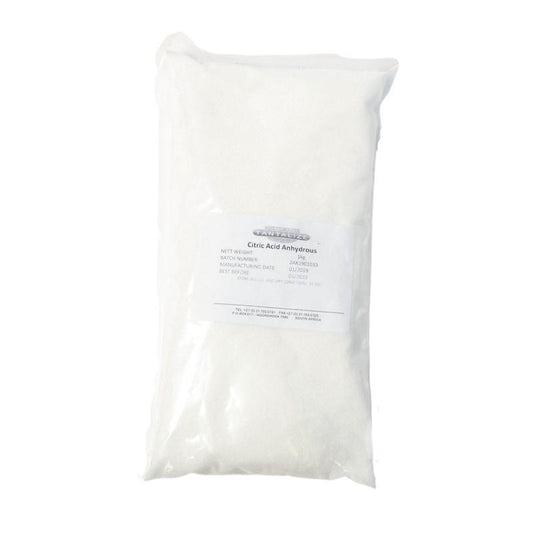
CFI Citric Acid Anhydrous - Food Grade (1kg)
Regular price R 155.00Regular priceUnit price per -
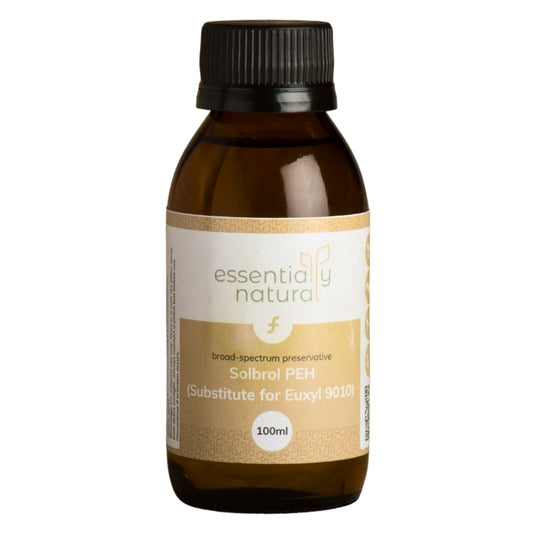
Essentially Natural Solbrol PEH (Substitute for Euxyl 9010)
Regular price from R 69.00Regular priceUnit price per -
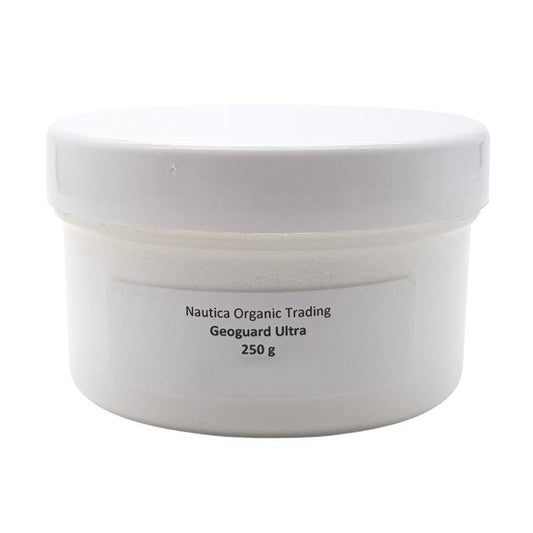
Nautica Geogard Ultra - ECOCERT
Regular price from R 745.00Regular priceUnit price per -
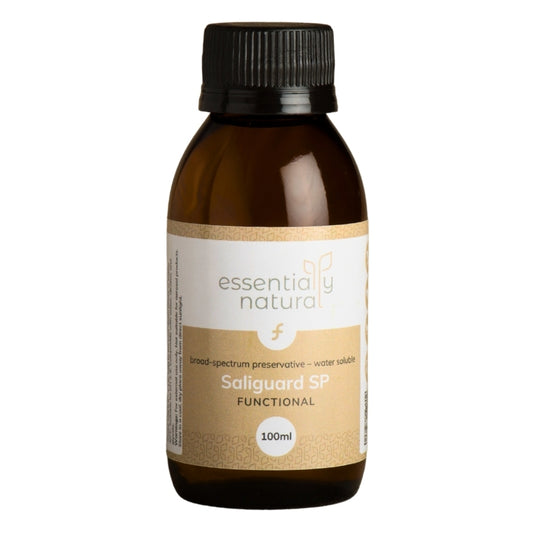
Essentially Natural Saliguard SP
Regular price from R 39.00Regular priceUnit price per -
Sodium Benzoate - Sample Size (10g)
Regular price R 10.00Regular priceUnit price per -
Saliguard BDHA - Sample Size (10ml)
Regular price R 20.00Regular priceUnit price per -
Euxyl K903 (Broad-Spectrum Preservative for Water-Based Formulations)
Regular price from R 99.00Regular priceUnit price per









Frequently Asked Questions
Answers to common questions about choosing and using Essentially Natural ingredients.
Why do I need a preservative in my skincare or cosmetic formula?
Do oil-based products need a preservative?
How do I choose the right preservative for my formula?
When should I add the preservative to my formula?
Can I make a preservative-free product if I keep it in the fridge?
Preservatives are essential ingredients used in cosmetic formulations to protect products from microbial growth such as bacteria, yeast and mould. They help maintain product safety, stability and shelf life, particularly in formulations that contain water.
Without an effective preservative system, water-based cosmetics such as creams, lotions, shampoos and conditioners can quickly become contaminated.
This collection includes preservatives commonly used in natural cosmetic formulations, suitable for products such as:
- creams and lotions
- shampoos and conditioners
- toners and hydrosol-based products
- emulsions and gels
These ingredients are suitable for both DIY makers and professional formulators developing safe and stable cosmetic products.