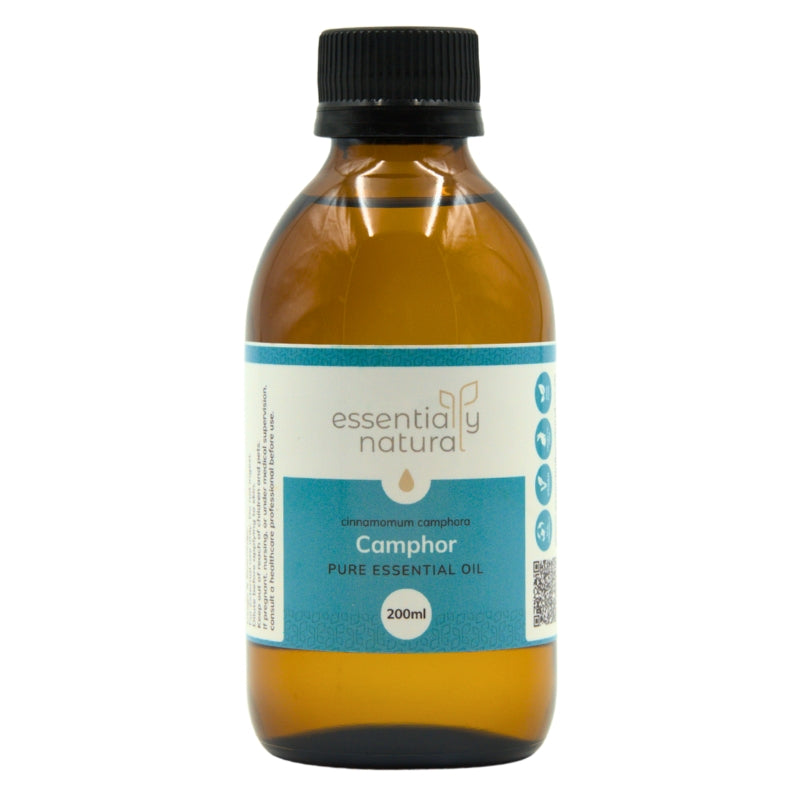
Oilology: Camphor
Juliette van der MeerThis piercing oil, known for its strongly refreshing scent and ability to clear chestiness and blocked noses, has a long and interesting history. Extracted from the bark and leaves of the Camphor tree native to the forests of Japan and Taiwan, camphor has been used by many civilizations including the Chinese, Indians, Persians and medieval Europeans.
Uses Of Camphor Essential Oil
In Ayurvedic medicine, camphor is a treatment for coughs, colds, vomiting, diarrhea, eczema, gastritis and even speech impediments and psychological issues. The Chinese and Indians used camphor for medicinal and spiritual practice as the vapors were believed to have healing effects on the mind and body. The Chinese also used the sturdy wood of the camphor trees in shipbuilding. In 14th century Europe, camphor was a powerful disinfectant used during the Plague, while the Persians used it in embalming practices.
Camphor's cooling properties make it useful in treating pain and inflammation, sprains, joint and muscular pain, as well as skin irritation, redness, rashes and itchy insect bites. It boosts circulation and the metabolism, and can help reduce the intensity of nervousness, anxiety, convulsions and spasms.
With a clean, powerful scent similar to menthol, camphor has antibacterial, anti-inflammatory and stimulating properties that can help increase blood flow, reduce headaches and clear sinuses. It is commonly used in vapor rubs and homemade 'tiger balm' to help ease symptoms of bronchitis and pneumonia, and assists in easier and deeper breathing. It is also useful in calming those with anxiety and hysteria, helping them to breathe and relax.
In hair shampoos, a tiny amount of camphor can help clear lice, and also boost hair growth by stimulating the scalp and follicles.