Formulating With Kojic Acid

Formulating With Kojic Acid

Juliette van der Meer

In this guide, you’ll learn:

  • what kojic acid is and how it works on pigmentation
  • safe usage levels and EU regulatory limits
  • how to formulate with kojic acid without destabilising it
  • suitable pH ranges and storage requirements
  • how to make a simple kojic acid solution and moisturiser

What Is Kojic Acid?

Kojic acid is a by-product of the rice fermentation process, and works as a skin lightener by inhibiting melanin production in the skin. This helps to even out dark marks and pigmentation, resulting in a smoother and lighter skin tone.

When Kojic Acid Is A Good Choice

  • Hyperpigmentation and dark marks
  • Uneven skin tone related to melanin overproduction
  • Leave-on products designed for gradual results

When Kojic Acid May Not Be Appropriate

  • Very sensitive or reactive skin
  • Products exposed to high heat or light
  • Formulations with high or unstable pH

How To Use Kojic Acid

Recommended usage rate: EU regulations recommend a maximum usage rate of 1% in leave-on products. This applies to finished cosmetic formulations intended for topical use. Higher concentrations are not recommended for home formulation.

Like most actives, kojic acid is most effective in a leave-on product for maximum exposure to the skin, however it can be used in rinse-off products as well.

How Soluble is Kojic Acid?

Kojic acid is relatively easy to work with as it is water soluble. Simply dissolve it into warm water (not hotter than 35 degrees C or it may oxidise) and then it is ready for use! We recommend using deionised water to assist in keeping it stable.

Stability And Safety Considerations For Kojic Acid

  • Sensitive to heat (avoid temperatures above 35 °C once dissolved)
  • Sensitive to light (store finished products in amber or opaque packaging)
  • Sensitive to oxygen (limit air exposure during storage)
  • Most stable at pH 3.5–4.5; degrades in alkaline conditions

Note: Please use sunscreen when using products containing kojic acid.

What is the recommended pH for Kojic Acid?

Kojic acid is most stable at low pH levels (3.5 - 4.5), and will destabilise in alkaline conditions. So ensure your formulation is in the acidic range and all ingredients are compatible.

Simple kojic acid solution to add into other products:

1% Kojic acid

5% Deionised Water (may need to be gently heated)

Combine well.

Add to 94% of cream base or other water-based formula such as face/body wash, serums, toners or masks. For best results, combine with antioxidants such as Ferulic Acid and/or Vitamin E.

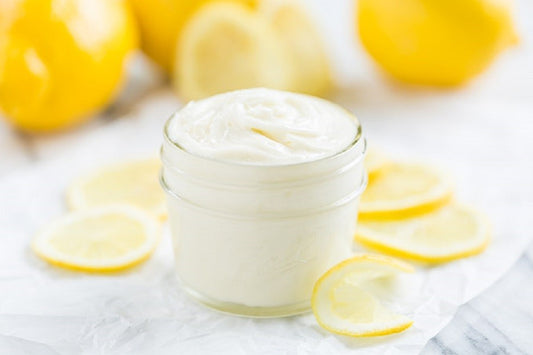
Kojic Acid Moisturiser:

This is an advanced formula that utilises high end ingredients: Kojic acidAscorbyl PalmitateFerulic Acid, and Vitamin E, for a real power-packed product.

Heated water phase

0.5% ferulic acid

66.5% deionised water, heated

Heated oil phase

20% oil of choice

4% Olivem 1000

0.5% lecithin

1% ascorbyl palmitate

0.5% Vitamin E

Cool down phase

1% kojic acid

3% deionised water

1% Geogard 221

Three beakers

Spatula or silicone spatula

Immersion/stick blender

Thermometer

pH strips or digital pH meter

In one beaker, weigh out the deionised water and ferulic acid. It won't completely dissolve so don't worry if there is some residue at the bottom.

In another beaker, weigh out and melt the oil phase ingredients.

In the last beaker, prep the kojic acid solution by mixing the kojic acid with the deionised water.

Make sure the heated water phase and heated oil phase ingredients are both at about 75-80 degrees. Add the oil phase into the water phase and blend with high shear until emulsified. Then stir while cooling down.

Once the emulsion has cooled to below 40 degrees, add in the kojic acid solution and the preservative. Give it a short burst with the blender to fully combine.

Check the pH and adjust if required (mine didn't need any adjusting).

Decant into a dark glass pump bottle to prevent light and oxygen getting in.

Please use sunscreen when using products containing kojic acid.

Kojic Acid FAQ

What does kojic acid do in skincare?

Kojic acid helps reduce the appearance of dark marks and uneven skin tone by inhibiting tyrosinase, an enzyme involved in melanin production. By slowing excess melanin formation, it supports a more even-looking complexion over time.


What is the maximum safe concentration of kojic acid?

In cosmetic formulations, EU regulations limit kojic acid to a maximum of 1% in leave-on products. This limit applies to finished cosmetic products intended for topical use. Higher concentrations are not permitted in leave-on cosmetics and are not recommended for home formulation.


What pH is kojic acid most stable at?

Kojic acid is most stable in an acidic environment, typically within a pH range of 3.5–4.5. It becomes unstable in alkaline conditions, which can lead to degradation and reduced effectiveness.

Why does kojic acid need dark packaging?

Once activated, kojic acid is sensitive to light, heat, and oxygen. Dark or amber packaging helps limit light exposure and slows oxidative degradation, improving both stability and shelf life of the finished product.

Can kojic acid be used daily?

Kojic acid can be used daily at low, regulated concentrations, but tolerance varies by individual. Some skin types may prefer less frequent use, especially if sensitivity occurs. As with most brightening actives, consistent but gentle use tends to give better results than aggressive application.

Is sunscreen necessary when using kojic acid?

Yes. Daily sunscreen use is recommended when using products containing kojic acid. While kojic acid itself is not an exfoliating acid, improving pigmentation concerns requires protecting skin from UV exposure, which can otherwise counteract brightening efforts.