
-
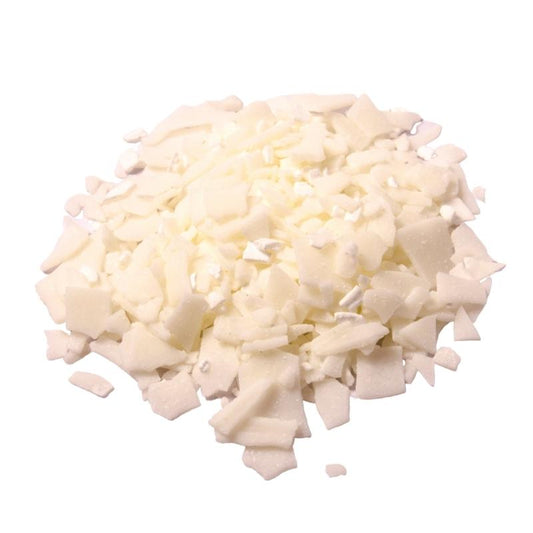
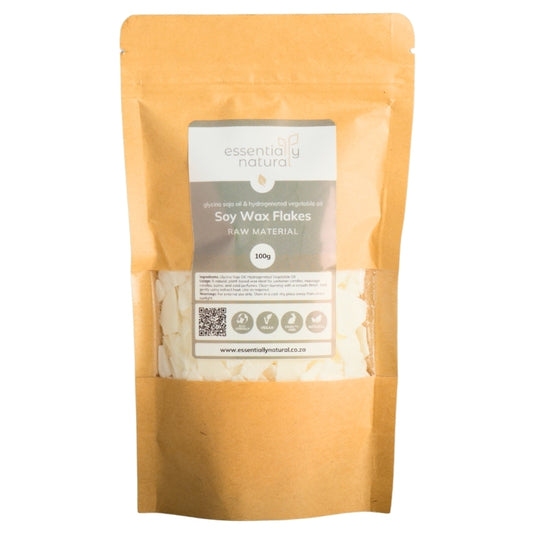
Soy Wax Flakes - Essentially Natural
Regular price from R 69.00Regular priceUnit price per -
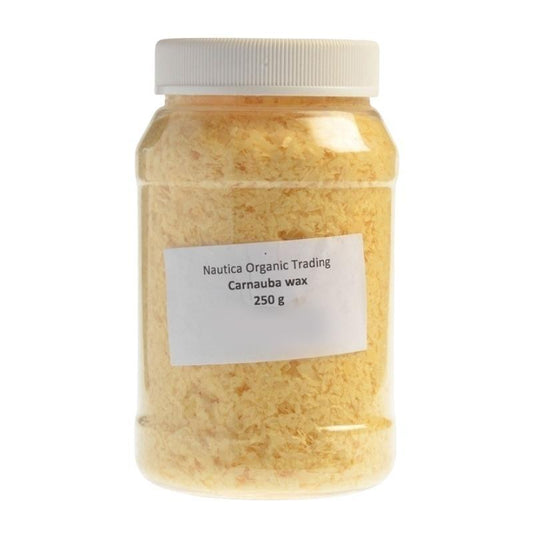
Nautica Carnauba Wax Flakes
Regular price from R 599.00Regular priceUnit price per -
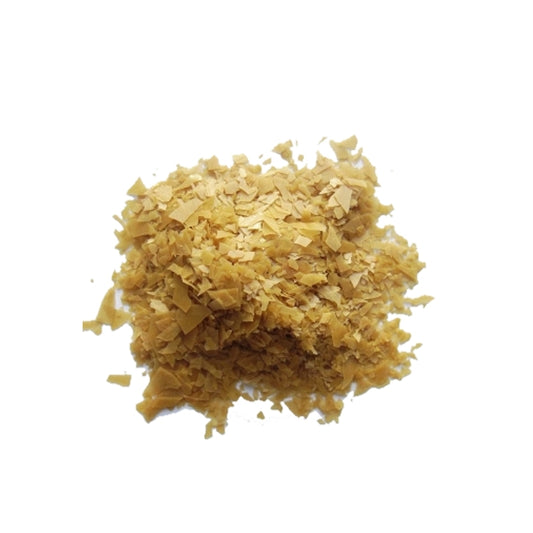
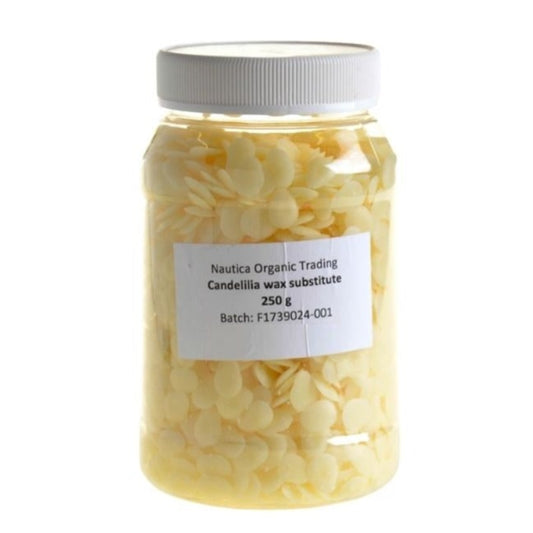
Nautica Kahlwax 6702 (Candelilla Wax Substitute)
Regular price from R 749.00Regular priceUnit price per -
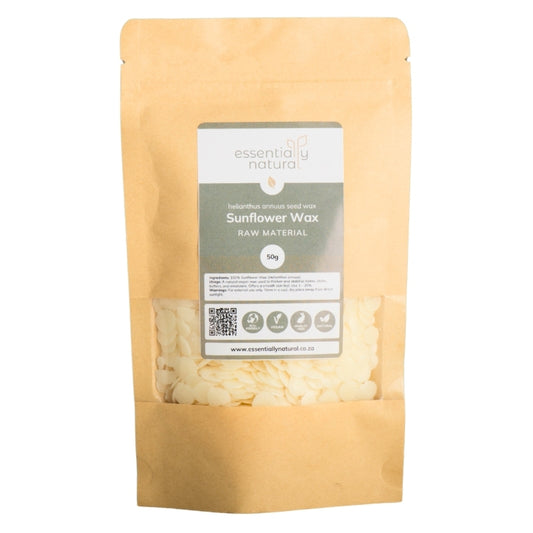
Pure Sunflower Wax - Essentially Natural
Regular price from R 79.00Regular priceUnit price per -
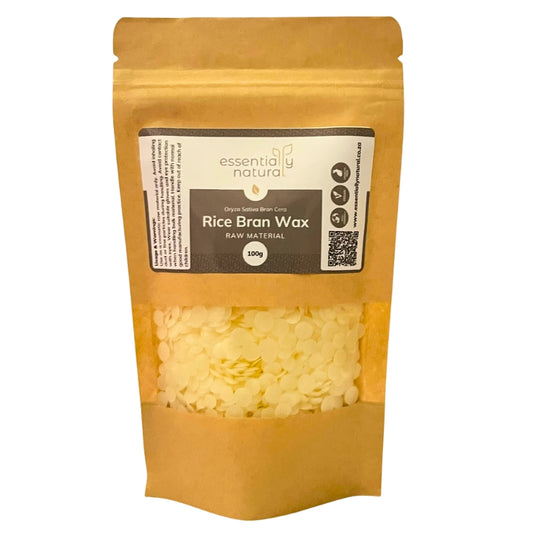
Rice Bran Wax - Essentially Natural
Regular price from R 79.00Regular priceUnit price per


Frequently Asked Questions
Answers to common questions about choosing and using Essentially Natural ingredients.
What are plant waxes used for in skincare and cosmetic formulation?
Are plant waxes suitable for vegan formulations?
Can I use plant waxes on their own?
Do plant waxes need to be melted before use?
Can I use plant waxes instead of beeswax in a formula?
Explore our selection of plant-derived waxes, obtained from botanical sources such as leaves, fruits, seeds, or stems. Plant waxes are solid lipids used primarily to provide structure, firmness, and stability in cosmetic and aromatherapy formulations.
Unlike carrier oils and butters, plant waxes are typically harder and have higher melting points, making them well suited to applications such as balms, salves, solid perfumes, and other products where shape retention and texture control are important.
This collection focuses exclusively on botanical waxes, offering formulators and DIY makers plant-based alternatives for structuring and thickening formulations without the use of animal-derived waxes.