Tea Tree & Shea Healing Soap

Tea Tree & Shea Healing Soap

Juliette van der Meer

Here is a divine little recipe for a soap bar that is great for problem skin - packed full of shea butter and tea tree oil to heal and moisturise. You can customise it with another oil of choice too if you like, to make it even more of a showstopper. We coloured our soap green and white to fit with the theme.

How Much Soap Will This Make?

This makes a decent amount of soap - I filled two of the 8 cavity oval molds plus had a little extra left over to make one extra soap (17 soaps in total). But the number of soaps made will depend on the size of your molds if using different ones.

Let's get soaping!

Ingredients:

Equipment:

See the video on making this here:

Making Tea Tree & Shea Healing Soap

First of all, wear protective gloves, goggles and an apron so no soap batter can get on your clothes or skin. Work in a well ventilated area and we recommend doing the lye part outside entirely.

Weigh out all the ingredients and get out two bowls: one for the lye mixture and one for the oils.

Combine the lye and water in one of the bowls, stir to dissolve and set it outside to cool. It will have created quite a bit of heat as it is an exothermic reaction.

Add the oils and shea butter (keeping 50g oil aside for superfatting later) to another bowl and melt together.

While the oil mixture and the lye mixture are cooling down, prep your colours if you want your soaps to have colour. I used two colours, white and apple green. Divide the 50g of oil you set aside earlier into two beakers and mix a different colour powder into each. You will later divide your soap batter and make each a different colour.

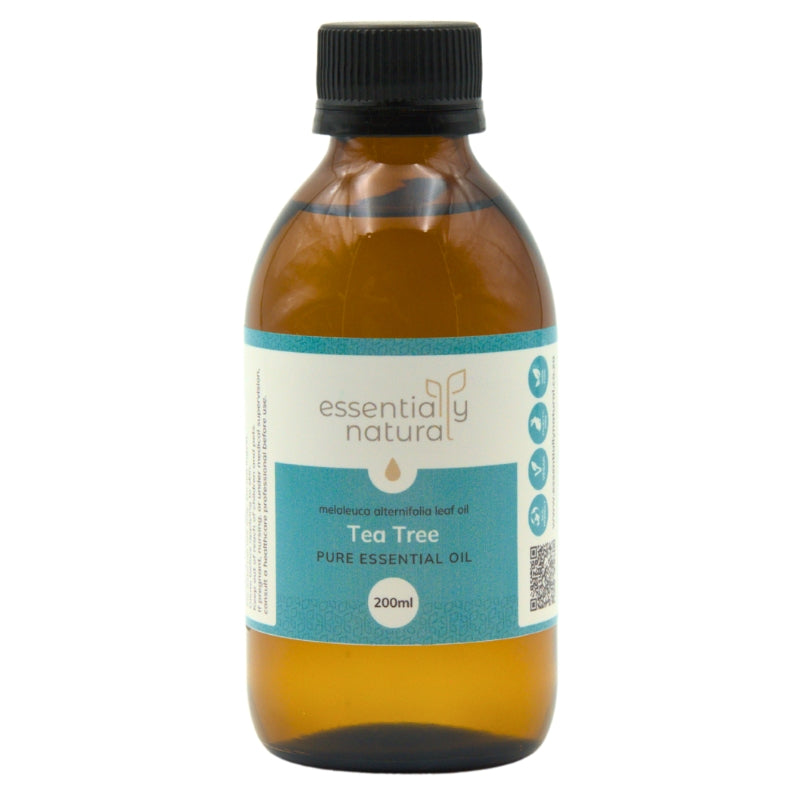
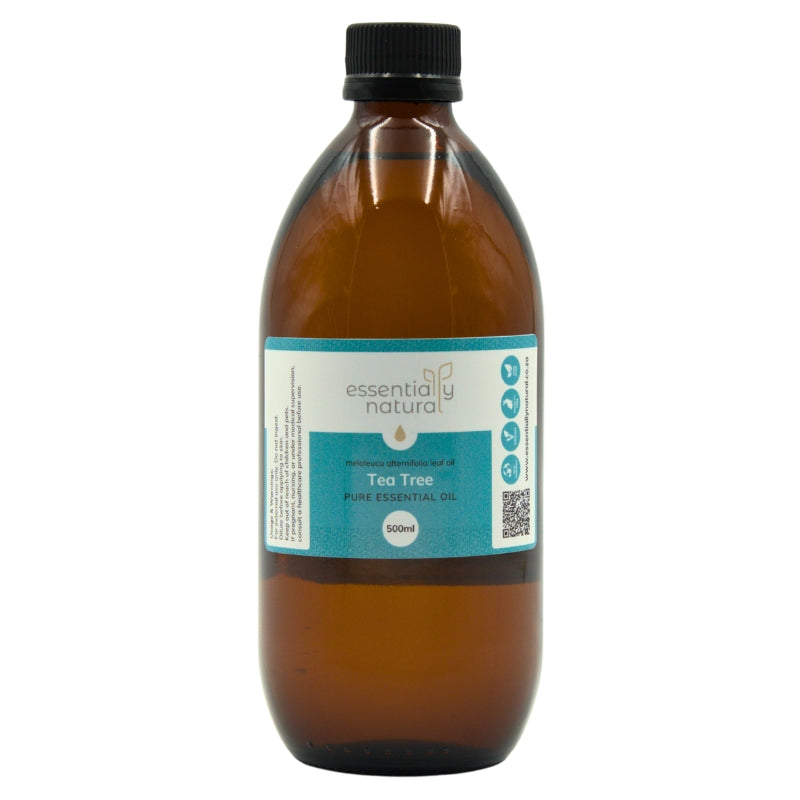
Once the lye mixture and oil mixture have both cooled to around 50 degrees (you can soap at a higher or lower temperature, as long as both your phases are within 10 degrees of one another), combine them together and blend with a soup blender/immersion blender. Blend until everything is mixed but don’t let it come to trace just yet. Add enough tea tree oil so that the scent is strong enough for you, bearing in mind that it may fade a little with time, then divide the soap batter into two bowls and add the coloured superfatting oil to each. Blend with the soup blender until a light trace is reached.

Now you can start pouring your soaps! Work quickly here as the soap batter will start to set up quite fast. Pour one colour and then pour the second colour, working with a knife to make swirls.

Once your soaps are poured, set them aside for 24 hours to harden up before removing them from their molds. Cure your soaps in a dry, dust-free area for 6-8 weeks, turning them periodically so all sides get air.

This recipe makes a hard, cleansing bar of soap that bubbles well. If you would like to make it more creamy and conditioning you can add in 2 tablespoons of kaolin clay when close to trace, but I didn’t.

Enjoy your soaps!

Juliette van der Meer

Fascinated with all things Nature, Science, Chemistry and Cosmetic Formulation; slave to four cats; my sweet tooth fuels my sweet nature.

I like to constantly learn new things. I also love crime series, which is totally not a red flag :)

I graduated from Rhodes University with a Degree in Geology but later switched to Cosmetic Science and haven't looked back - proof that flipping your life around can lead to much happiness.

BSc Hons, Adv. Dip. Cosmetic Science

Disclaimers

We love sharing DIY recipes, natural tips, and wellness inspiration with you! The content on the Essentially Natural Blog is here to inform and inspire, but it’s important to keep the following in mind as you explore:

Product Use & Medical Guidance

Unless specifically stated otherwise, our products and recipes are intended for external use only. Always follow usage instructions carefully, use ingredients mindfully, and patch test first whenever trying an ingredient/formulation for the first time. The content on our blog is shared for informational and educational purposes and is not intended to replace professional medical advice, diagnosis, or treatment. If you’re pregnant, breastfeeding, on medication, or managing a health condition, please consult a qualified healthcare provider before using new ingredients or remedies.

Results May Vary

Natural ingredients can do wonderful things—but they’re not one-size-fits-all. What works beautifully for one person may not have the same effect for another. Your skin type, health, and lifestyle all play a role in how your body responds, so please keep that in mind. We also can’t guarantee the shelf life or stability of DIY formulations. For longer-term storage or commercial use, professional testing is always recommended

Content Accuracy

We put a lot of love and effort into making sure our content is accurate and up to date. That said, things change, and honest mistakes can happen. Please use your own good judgment and cross-check information if needed.

Third-Party Content

From time to time, we may share advice, resources, or links from third parties we trust. While we select these thoughtfully, we can’t take responsibility for their accuracy or practices—so please explore with care.

Copyright & Intellectual Property

Unless otherwise noted, all content, images, and recipes on this blog are the property of Essentially Natural. We’re always happy when our community shares and spreads the word—just please do so responsibly and with proper credit.

If you’d like more information on any ingredient or topic, feel free to reach out to us—we’re always happy to help. Alternatively, click here to view our full Terms of Service.


Thank you for being part of our natural DIY formulation community ♡