

Solid Perfume Making
Juliette van der MeerA whole year ago, we first touched on natural perfumes, in The Art of Natural Perfumery, which explains the basics of making perfume with essential oils. I'm not sure why I left a sequel off for so long, but it definitely seems like a good time to revisit natural perfume making! Here we will learn how to make solid perfumes.
Why Choose Solid Perfumes?
Solid perfumes makes beautiful and unique gifts for your special ones, not to mention they are surprisingly easy to make as well as 100% natural and eco-friendly. Customise your perfume to the wearer by incorporating their favourite essential oils. Add your perfume blends to cute little tins, reuse antique tins, or even make a perfume stick by adding to a reused lip balm container.
Bases
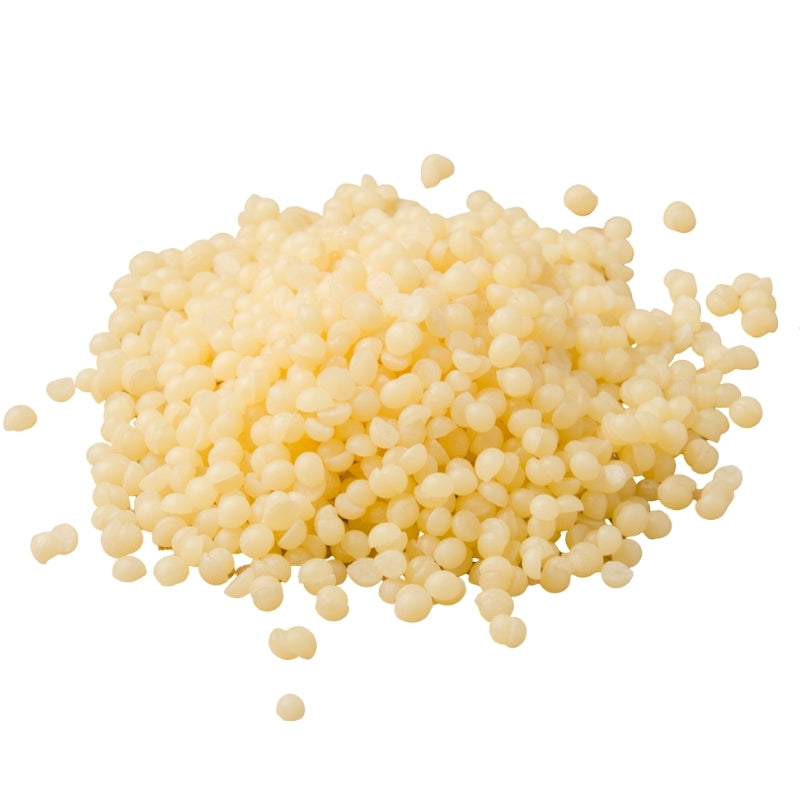
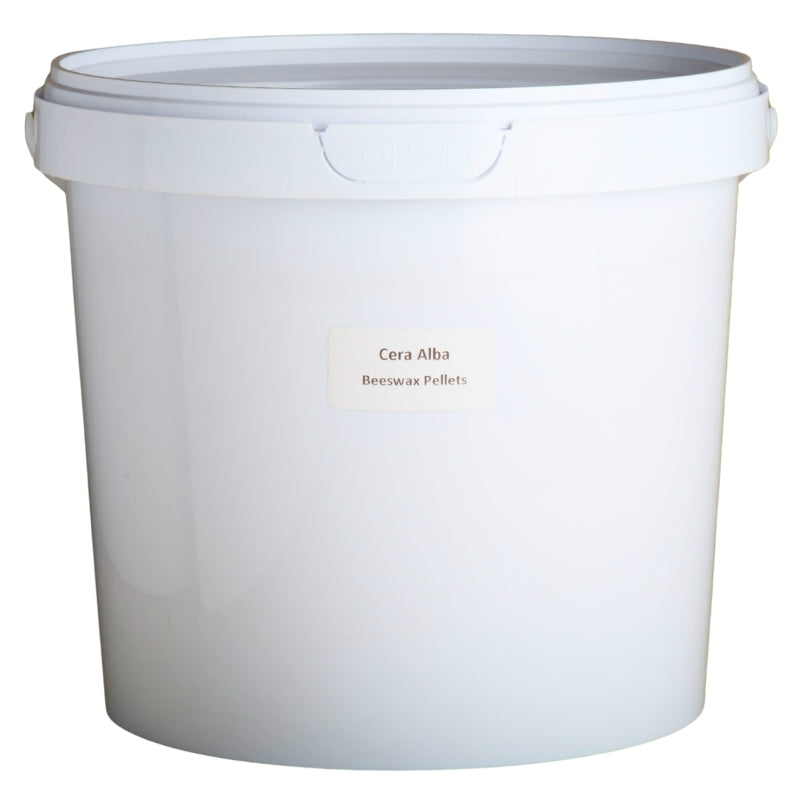
Make your solid perfume base from beeswax or unscented cocoa butter and soft oils such as almond oil, jojoba, grapeseed or other unscented oil. If you want a plant based wax instead of beeswax, try soy wax or carnauba (bear in mind carnauba wax is extremely hard so you may need more oil in the base formula).
Essential Oils Are Your Perfume Scents
You can go as high as a 50/50 ratio of essential oils to base, for a good strong scent. Solid perfume scents may fade over time faster than alcohol based perfumes, so you often require a higher concentration of essential oils.
Another trick I do is to pre-blend my essential oil fragrances together in a little glass vial and let them meld together for a week or so. This often improves the fragrance.
You can use any essential oil; here are a few recommendations:
- Litsea cubeba or May Chang - lemony but without any photosensitivity of lemon essential oil; middle note.
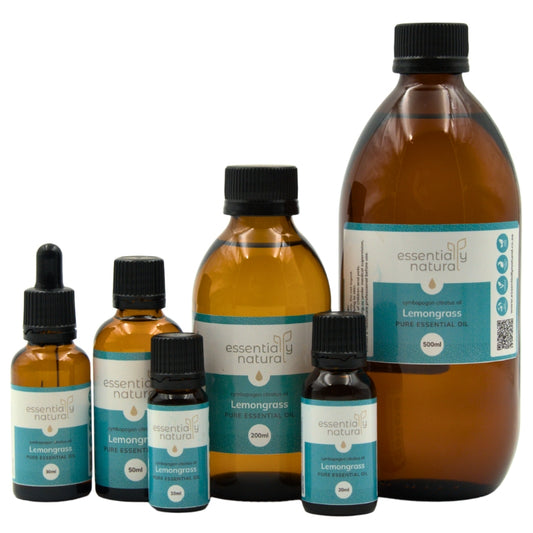
- Lemongrass - fresh; a top to middle note.
- Lavender - a classic favourite; middle note.
- Rose - romantic; middle note.
- Palmarosa - middle note.
- Cedarwood - woodsy; base note.
- Cardamom - spicy; middle note.
- Labdanum (rock rose) - middle note.
- Geranium - sweet, floral; middle note.
- Jasmine - very sweet and floral.
- Lime - fresh; top note.
- Citrus oils - often blend well with many other oils; top notes.
Some combinations could be:
- Romance: jasmine, ylang ylang, neroli
- Kinky fresh: grapefruit, ginger, vetiver
- Floral: jasmine, lime, vanilla
Combinations for Men:
You can also refer to The Art of Natural Perfumery for more scent combinations.
Though not typical for a conventional perfume scent, one of my all time favourite combinations is cocoa butter and coffee bean oil. You float around in a cloud of chocolate coffee - it's pure delight! This may be perfect for a younger person, or someone who enjoys a simpler, less complicated scent. Coffee and cocoa is also a really nice scent to wear in wintertime, as it evokes warmth and contentment.
Solid Perfume Recipes
Spicy Citrus Solid Perfume
This perfume has soft notes of citrus and tea, woody cedar and a dash of spice.
Ingredients:
- 8g grapeseed oil
- 2g beeswax
- 8 drops cedarwood
- 4 drops palmarosa
- 4 drops cardamom
Method:
- Melt the beeswax and oil in a hot water bath, then remove from the heat and let it cool for a minute but don't let it solidify.
- Stir in the essential oils and pour into little tins.
- Put in the fridge to cool - you want to cool it as fast as possible to preserve the essential oils.
To use, rub a little on your finger and apply to neck, temples or wrists.






2 comments
Hi Clarisse,
That’s wonderful, hope it works for him!
Good day came across your website. Am so excited my son suffers so badly from sinusitis and no doctor or specialist so far has been able to help him what I am trying to say is he cant use any perfumes as it gives him a sore throat and bad sinus. I think this natural perfume recipe may be perfect for him. Thku so much.