DIY Wax Crayons!

DIY Wax Crayons!

Juliette van der Meer
Children's toys have changed a lot over the years but one thing that is a staple is drawing and colouring in with crayons. But did you know that crayons, although safe, are typically made from paraffin wax - not ideal. With the long summer holidays just around the corner, prepare yourselves with 100% natural colouring crayons that are perfectly safe and non-toxic.

Are Wax Crayons safe?

If you have very young children who tend to put everything in their mouths, these crayons are fine as the ingredients used are food grade and safe. Just don't use beeswax if anyone is allergic to bees or bee products, and keep in mind that the oxides are not for ingesting so use one of the other suggested colour alternatives.

Types of Waxes To Use

You can use either beeswax, vegan plant waxes such as carnauba, soy or candelilla or a blend of waxes for your crayons. Have a look here for what options we have.

Cleaning up tips: wax can be a pain to clean so heat up the bowl or pot you used to melt it in, then wipe off the liquid wax with a paper towel. You can then clean with dish soap.

Colour Pigments

For colour pigment ideas refer to our DIY Natural Colourants guide or simply use the following:

  • Blue:

German chamomile essential oil or powdered blue cornflowers.

  • Yellow:

Turmeric powder or yellow oxide.

  • Green:

Try kaolin green clay or African green clay.

  • Brown:

Cacao powder or coffee.

  • Orange:

Try mixing turmeric with red clay and titanium dioxide to make an orange.

  • Pink:

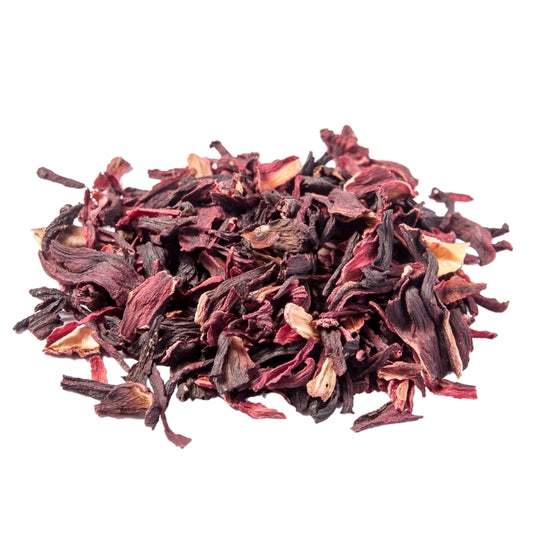
Hibiscus powder or pink clay.

  • Red:

Red clay or red oxide.

  • Purple:

Mix the red or pink colours with titanium dioxide plus a blue pigment such as finely powdered blue cornflowers.

  • Black:

Activated charcoal. You can also use black iron oxide if your kids are older and won't try to eat the crayons.

  • White:

Titanium dioxide.

Try blending your colours with titanium dioxide powder to make them more opaque or pastel. If you are going for a very clean shade, you may prefer to use white beeswax over the yellow beeswax as the colours may come out brighter.

Making Wax Crayons

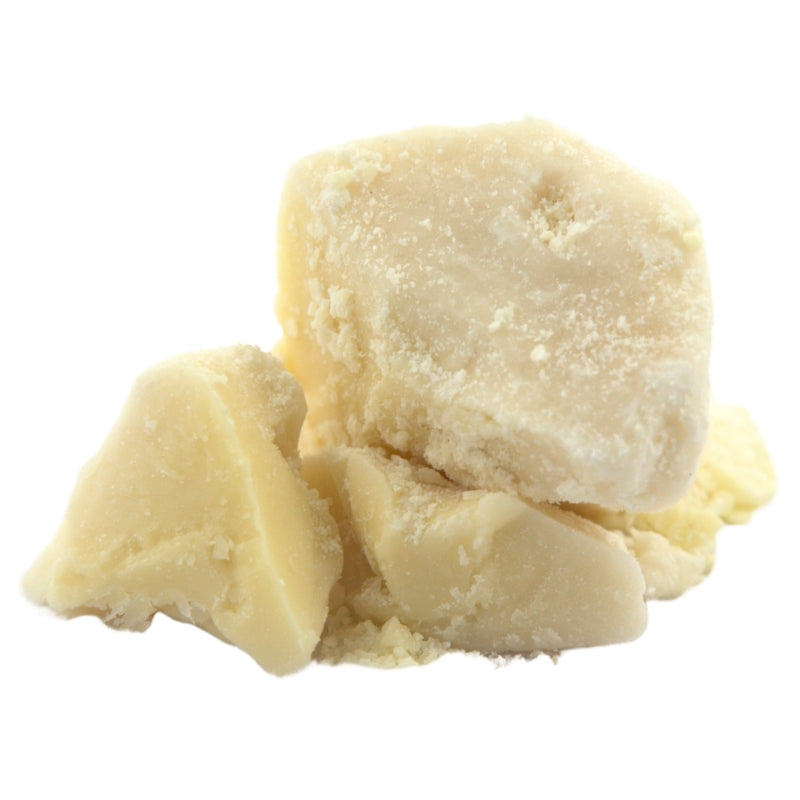
Crayon ingredients are very simple - just wax, delicious cocoa butter and pigment. Once you have chosen a type of wax to use, it's time to start melting. You can also add essential oils to give the crayons interesting scents, or try using different shaped molds from the traditional oblong crayons - the kids will love it!

Essential oils can contribute an aromatherapy element that can be calming for young children. Try lavender, orange, geranium, chamomile or other child-friendly oils for specific aromatherapy actions. Our Guide to Child Friendly Essential Oils is a good resource to start with.

Vegan Wax Crayons

Ingredients:

Note: If you want a larger batch just keep the ratios of carnauba to cocoa butter the same, 1:1.5
Method:

  1. Melt the wax and cocoa butter together in a hot water bath then separate the wax mixture into different bowls depending on how many colours you are making. Carnauba wax will take slightly longer to melt than beeswax as it is a much harder wax.
  2. Stir in any essential oils if using and add your colourants. You may need to keep the bowls suspended in a hot water bath to ensure the wax mixture doesn’t begin to set before the pigments have been properly mixed in.
  3. Continue mixing until the wax begins to solidify a bit then pour into molds and leave to set completely.

Beeswax Crayons

You can make these with beeswax only, but we find the carnauba wax holds the pigment nicely so we like to add it.

Ingredients:

Method:

  1. Melt the beeswax, carnauba wax and cocoa butter together then separate evenly into 5 bowls.
  2. Stir in any essential oils if using. Mix different colours into each of the bowls. You may need to keep the bowls suspended in a hot water bath to ensure the wax mixture doesn’t begin to set before the pigments have been properly mixed in.
  3. Continue mixing until the wax begins to solidify a bit then pour into molds and leave to set completely.

The kids will be sure to enjoy these completely natural crayons, and you can rest assured that there are no bad ingredients in sight!

Note - These are stock images, the outcome of your crayon is dependent on countless factors.

Juliette van der Meer

Fascinated with all things Nature, Science, Chemistry and Cosmetic Formulation; slave to four cats; my sweet tooth fuels my sweet nature.

I like to constantly learn new things. I also love crime series, which is totally not a red flag :)

I graduated from Rhodes University with a Degree in Geology but later switched to Cosmetic Science and haven't looked back - proof that flipping your life around can lead to much happiness.

BSc Hons, Adv. Dip. Cosmetic Science

Disclaimers

We love sharing DIY recipes, natural tips, and wellness inspiration with you! The content on the Essentially Natural Blog is here to inform and inspire, but it’s important to keep the following in mind as you explore:

Product Use & Medical Guidance

Unless specifically stated otherwise, our products and recipes are intended for external use only. Always follow usage instructions carefully, use ingredients mindfully, and patch test first whenever trying an ingredient/formulation for the first time. The content on our blog is shared for informational and educational purposes and is not intended to replace professional medical advice, diagnosis, or treatment. If you’re pregnant, breastfeeding, on medication, or managing a health condition, please consult a qualified healthcare provider before using new ingredients or remedies.

Results May Vary

Natural ingredients can do wonderful things—but they’re not one-size-fits-all. What works beautifully for one person may not have the same effect for another. Your skin type, health, and lifestyle all play a role in how your body responds, so please keep that in mind. We also can’t guarantee the shelf life or stability of DIY formulations. For longer-term storage or commercial use, professional testing is always recommended

Content Accuracy

We put a lot of love and effort into making sure our content is accurate and up to date. That said, things change, and honest mistakes can happen. Please use your own good judgment and cross-check information if needed.

Third-Party Content

From time to time, we may share advice, resources, or links from third parties we trust. While we select these thoughtfully, we can’t take responsibility for their accuracy or practices—so please explore with care.

Copyright & Intellectual Property

Unless otherwise noted, all content, images, and recipes on this blog are the property of Essentially Natural. We’re always happy when our community shares and spreads the word—just please do so responsibly and with proper credit.

If you’d like more information on any ingredient or topic, feel free to reach out to us—we’re always happy to help. Alternatively, click here to view our full Terms of Service.


Thank you for being part of our natural DIY formulation community ♡