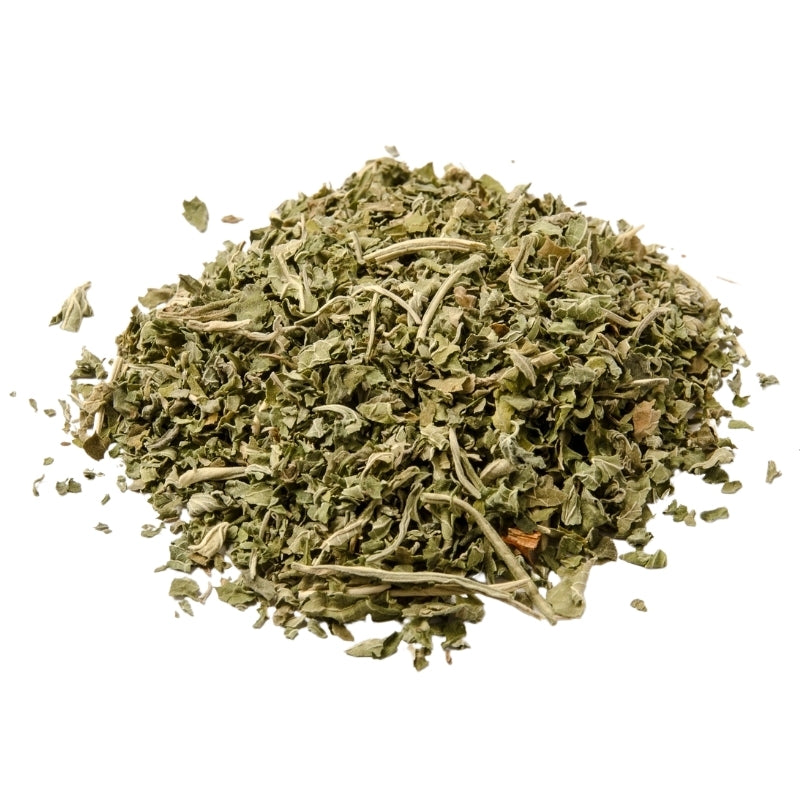
Leonotis leonurus Cut (Wilde Dagga) - 75g
Leonotis leonurus Cut (Wilde Dagga) - 75g
Dispatches in 2-4 working days
Couldn't load pickup availability
Leonotis leonurus Cut, also known as Wilde Dagga or Lion’s Tail, is a traditional South African botanical used in herbal and ethnomedicinal practice. Native to South Africa and surrounding regions, it has been used by Khoisan, Zulu, Xhosa and other communities in preparations for relaxation, chest comfort, coughs, colds, digestive cramps and general wellbeing. Wilde Dagga is also traditionally used externally in soothing preparations for insect bites, itchiness and irritated skin. It should not be treated as cannabis and is best used thoughtfully in teas, infusions or external preparations rather than for smoking or recreational use.
♡ Why we love it: Wilde Dagga has a strong South African botanical heritage and a distinctive place in traditional wellness routines. Its calming, chest-support and digestion-support associations make it a meaningful herb for careful, informed use.
Key properties
- Botanical Name: Leonotis leonurus
- Also Known As: Wilde Dagga, Lion’s Tail
- Form: Cut dried botanical
- Profile: Traditional calming, chest-support and digestive-comfort herb
- Naturally Occurring Compounds: Diterpenoids, terpenes, phenols, alkaloids and essential oil components
- Suitable For: Herbal Infusions, Traditional Blends, External Washes And Soothing Preparations
- Storage: Store in a cool, dry place away from light and moisture
What it's used for
- Traditional calming and relaxation-focused herbal routines
- Chest-support blends for coughs, colds and bronchial comfort
- Digestive-comfort routines for stomach cramps and irregular bowel comfort
- General wellbeing routines during seasonal discomfort
- Body-comfort preparations for muscle aches and cramps
- External washes or compresses for insect-bite comfort and irritated skin
- Traditional South African apothecary-style preparations
Who it's for
- Herbal users familiar with traditional South African botanicals
- People preparing careful chest-support or calming herbal infusions
- DIY users making external washes or compresses for intact skin
- Natural product makers working with traditional local botanicals
- Pregnancy
- Smoking or recreational use
- People expecting cannabis-like effects
- Children
- Use as a substitute for professional care for high blood pressure, diabetes, viral hepatitis, snakebite, bronchitis or chronic health concerns
This Product Is For:
This Product Is Not For:
How to use
- As a Herbal Infusion: Prepare according to a trusted herbal method, then strain well before use.
- In Blends: Combine with suitable companion herbs for chest comfort, relaxation or digestive support.
- As an External Wash Or Compress: Prepare a strong infusion, cool fully, strain well and apply briefly to intact skin with a clean cloth.
- For Body Comfort: Use a well-strained external infusion in suitable compress-style preparations.
- Processing Tip: Use conservatively and keep preparations clearly labelled for intended use.
Safety instructions
- Best avoided during pregnancy
- Consult a registered medical practitioner before use if breastfeeding, medically vulnerable, taking medication or managing a chronic condition
- Seek professional guidance before use if you have high blood pressure, diabetes, liver concerns or respiratory conditions
- Not for smoking or recreational use
- Not suitable for children
- External preparations are for intact skin only
- Seek urgent medical care for snakebite, severe infection, breathing difficulty or serious symptoms
- Discontinue use if any adverse reaction occurs
- Keep out of reach of children and pets
Faqs
Q: Is Wilde Dagga the same as cannabis?
A: No. Wilde Dagga is
Leonotis leonurus
and should not be treated as cannabis.
Q: What is Wilde Dagga traditionally used for?
A: It is traditionally used in calming, chest-support, digestive-comfort and external soothing routines.
Q: Can Wilde Dagga be smoked?
A: This product should not be used for smoking or recreational purposes. Use tea, infusion or external preparation
methods instead.
Q: Is Wilde Dagga suitable during pregnancy?
A: No, it is best avoided during pregnancy.
About These Botanicals
This product is grown in an organic and regenerative fashion with as minimal use of insecticides, pesticides, herbicides and fungicides as possible, in certified organic fertilizer. The product is sourced food grade. It is not certified organic. Suitable for Kosher, Halaal and Hindi diets.