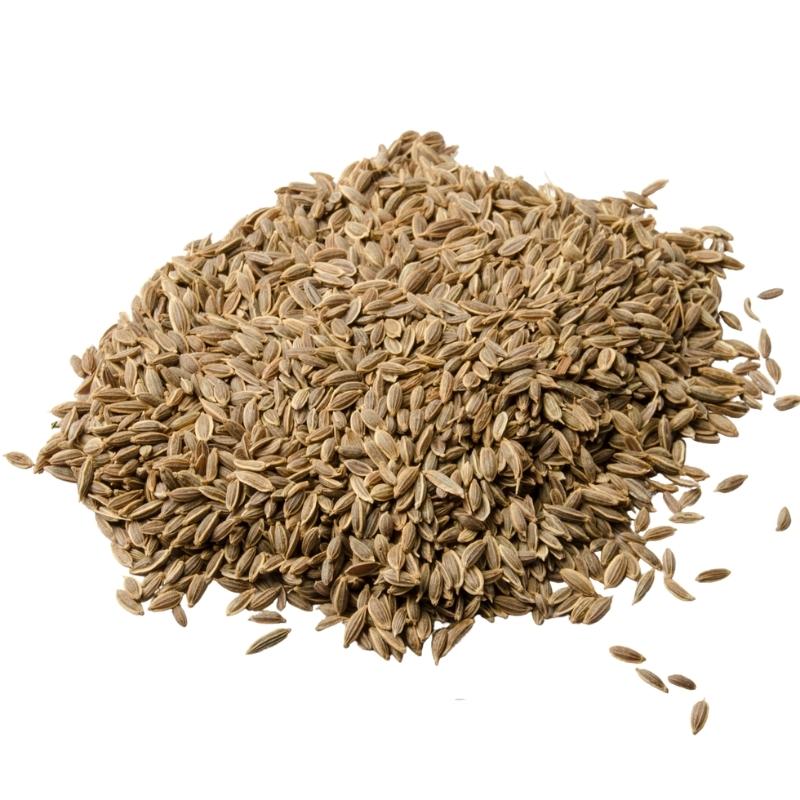
Dill Seed (Anethum graveolens) - Food Grade Bulk
Dill Seed (Anethum graveolens) - Food Grade Bulk
1 in stock — ready to ship
Couldn't load pickup availability
Dill Seed is the dried seed of Anethum graveolens with a warm, aromatic flavour and a gentle anise-like note. It is widely used in pickling and savoury cooking, and it is also traditionally infused after meals as a simple, aromatic cup. Light crushing helps release the seed’s fragrance for both culinary and infusion use. Whole seeds store well and can be crushed as needed.
Key properties
- Botanical Name: Anethum graveolens
- Plant Part: Seed
- Form: Whole seeds
- Size Options: 250g, 500g or 1kg
What it’s used for
- Culinary seasoning for pickles, breads, soups, stews, and spice blends
- After-meal herbal infusions for traditional digestive comfort routines
- Breath-freshening use by chewing a small pinch
Who it’s for
- Kitchens using dill seed for pickling and savoury cooking
- Herbal cupboards that keep aromatic seeds for simple infusions
- Those who prefer whole seeds to crush fresh for best aroma
- Pregnancy or breastfeeding in amounts greater than typical culinary use without professional guidance
- Those with known Apiaceae (carrot family) allergies
- Infants and young children unless specifically advised by a qualified practitioner
This product is suitable for:
This product is not for:
How to use
- Culinary: Toast lightly in a dry pan or bloom in warm oil, then add to cooking or pickling mixes.
- Herbal Tea: Lightly crush 1-2 tsp, add 250ml freshly boiled water, cover and infuse 10-15 minutes, then strain.
- Breath Freshener: Chew a small pinch as needed.
- Processing Tip: Crushing just before use improves flavour and aroma.
Safety instructions
- Seek advice before use during pregnancy or while breastfeeding if using amounts greater than typical culinary use.
- Avoid use if you have an allergy to Apiaceae (carrot family).
- Consult a qualified healthcare practitioner before use if you have a medical condition or take medication.
- Discontinue use if any adverse reaction occurs.
- Keep out of reach of children and pets.
Faqs
Q: Do I need to crush dill seed before making tea?
A: Light crushing helps release aroma and improves the infusion.
Q: What’s the difference between dill seed and fennel seed?
A: Both are aromatic seeds, but dill is more herbaceous and slightly grassy, while fennel is sweeter and more
liquorice-like.
Q: Can dill seed be used in baking?
A: Yes. It is commonly used in savoury breads and crackers for a warm, aromatic note.
About These Botanicals
This product is grown in an organic and regenerative fashion with as minimal use of insecticides, pesticides, herbicides and fungicides as possible, in certified organic fertilizer. The product is sourced food grade. It is not certified organic. Suitable for Kosher, Halaal and Hindi diets.