

Watch: DIY Deodorant To Brighten Sensitive Underarms
The Institute of Personal Care ScienceSource: The Institute Of Personal Care Science https://youtu.be/356GFrDFNZY?si=O7B1ffpiueLXmG3u
DIY Deodorant Formulas
Deodorants can seem tricky, out of reach, and like the riskiest formulation to flop - it's hard to imagine the chemistry required to stop the mysterious scent that arises from our dark corners. But really, a deodorant is often just a kind of lightweight cream, with one or two clever ingredients doing the odour-fighting work.
In this case, that hero is mandelic acid, a wonderfully gentle exfoliating AHA that also helps even out skin tone and keep underarms fresh. Once you understand how it fits into the formula, you’ll realise just how simple (and satisfying!) it is to make your own.
Why Mandelic Acid In A Deodorant?
Mandelic acid is a mild alpha hydroxy acid that helps smooth, brighten, and gently resurface the skin. It’s especially suited to delicate areas like the underarms, where regular shaving or friction can lead to uneven texture or tone.
Can You Add Ethanol To DIY Deodorant?
Ethanol can be a great addition - it helps the deodorant dry faster and boosts odour control. However, it can also be drying, especially for those with dry or sensitive skin.
To balance that, you can slightly increase the humectants in your formula or skip ethanol altogether. If you do include it, add it during the cool-down phase and adjust your water phase to compensate.
Could You Add Baking Soda To This Deodorant?
Baking soda is a classic in DIY deodorants - brilliant for odour control - but in this particular formulation, it would disrupt the balance.
This is an acid-based deodorant, meaning that adding baking soda would neutralise the key active: mandelic acid. When the two meet, they react and cancel each other out, converting the mandelic acid into a salt - and in the process, you lose its brightening and antibacterial benefits.
How Does DIY Roll-On Fight Odour?
The formula works by targeting the cause of odour, instead of just masking it.
Body odour isn’t caused by sweat itself - it’s caused by bacteria on the skin that break down sweat into those... fragrant friends we discover.
- Mandelic acid gently lowers the skin’s pH, creating an environment that’s less friendly to odour-causing bacteria.
- Essential oils (like tea tree, lavender, or eucalyptus) bring natural antibacterial and deodorising properties, while adding a subtle scent.
- Geogard 221, the preservative, also lends mild antimicrobial action, supporting freshness.
- Dermofeel Sensolv and the light oils give a silky, dry finish - helping the product spread easily and feel smooth, without trapping moisture.
Together, they form a bacteria-balancing, pH balancing deodorant that keeps you fresh naturally, without what is sensitising to some peoples skin, like baking soda.
Formulation Ingredients Below:
Water Phase:
- 75% Distilled water (or hydrosol)
- 5% Vegetable glycerine
- 1% Sepimax Zen
Substitute: Hydroxyethyl Cellulose
Oil Phase
- 3% OliveM 1000
- 8% Dermofeel Sensolv
Substitute: Camellia Seed Oil - 3% Sacha Inchi Oil
Substitute: Kalahari melon seed oil
Cool Down Phase:
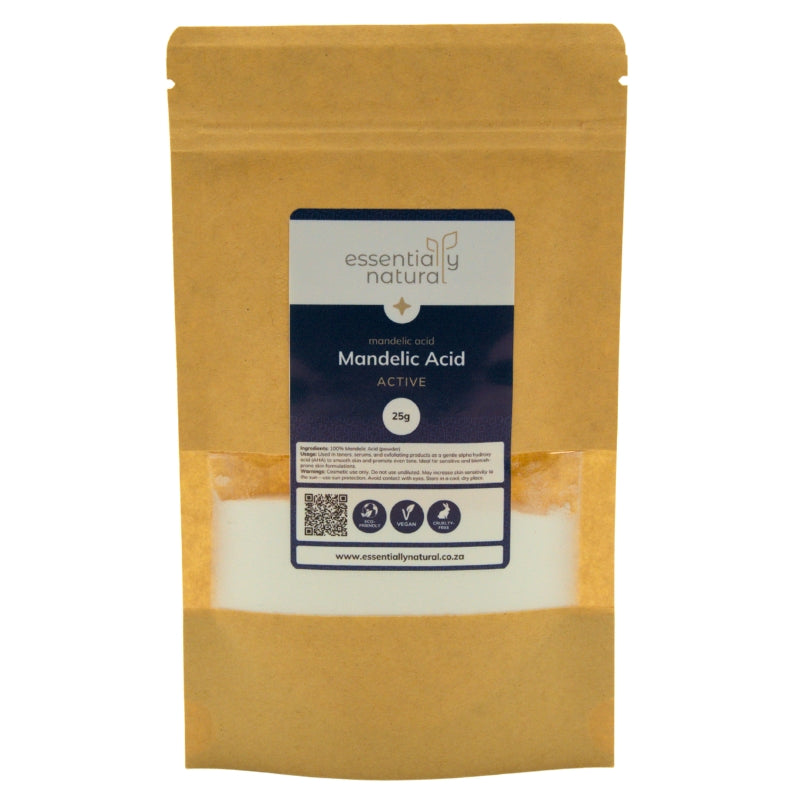
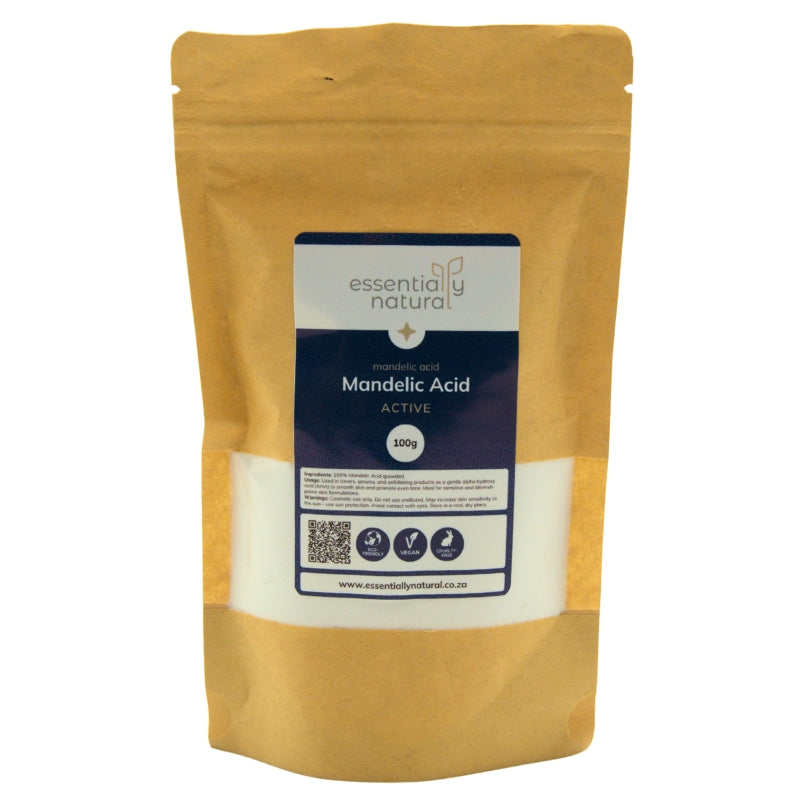
- 1% Mandelic acid
- 1% Essential oil (see here for fragrance)
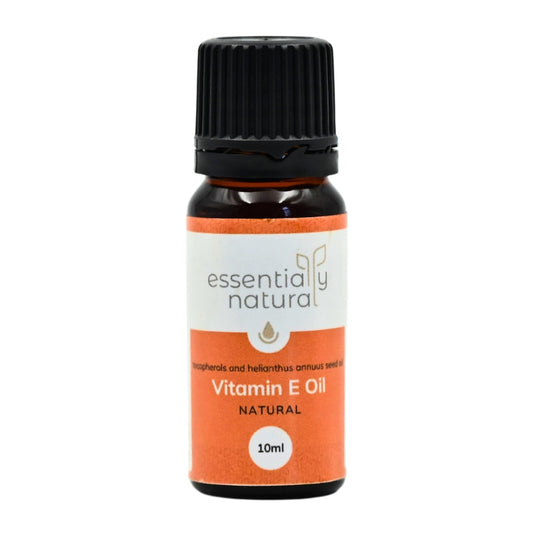
- 1% Vitamin E
- 1% Aloe vera glycerite
Subtstitue: German Chamomile Glycerite - 1% Preservative (Geogard 221)
EN Tips:
- Combine the Hydroxyethyl cellulose with the vegetable glycerine first to hydrate, then warm the distilled water, add it to the cellulose, and blend until it thickens. Tiny particles will dissolve as the gel forms - this can take a few minutes. Let it rest between blends if needed, and any air bubbles will settle overnight, leaving a clear, smooth gel.
- For a less sticky feel, replace or combine the glycerine with agave.
- Swap the distilled water for aloe vera liquid gel to create a more soothing formula for sensitive underarms.
- Blend your essential oils strategically - use half for actives (like tea tree for antibacterial action) and half for fragrance (like jasmine for a lovely scent).
- Adjust the amount of Hydroxyethyl cellulose to tweak the texture - more for a thicker consistency, less for a lighter one.




1 comment
.