DIY Reed Diffuser Base
Juliette van der MeerIn this guide, you’ll learn:
- what a reed diffuser is and how it works
- how to make a natural reed diffuser base at home
- which carrier oils work best for reed diffusion
- how much essential oil to use for scenting
- tips for scent strength, placement, and maintenance
What Is A Reed Diffuser?
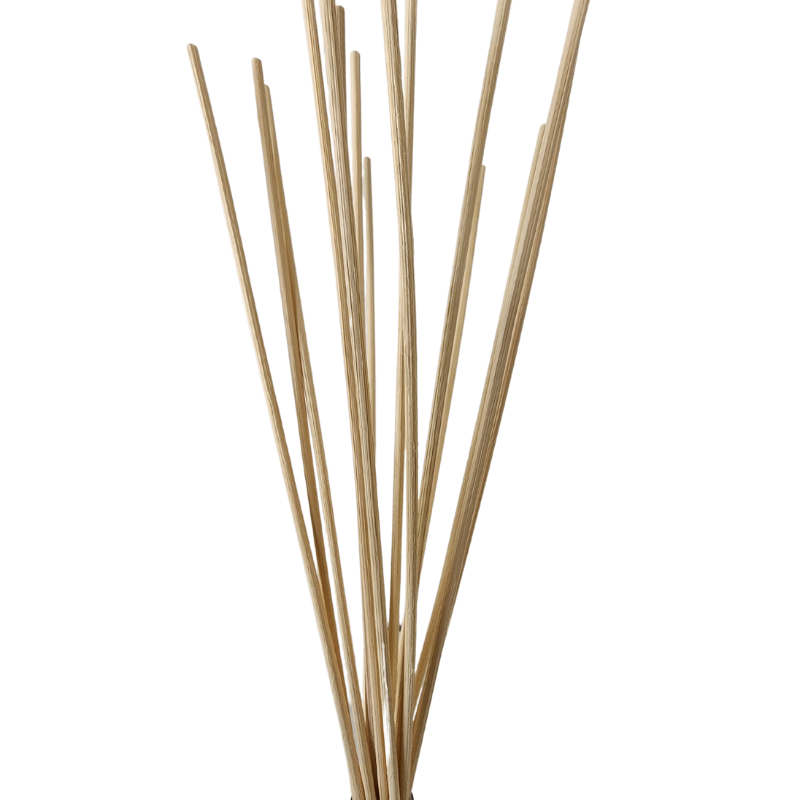
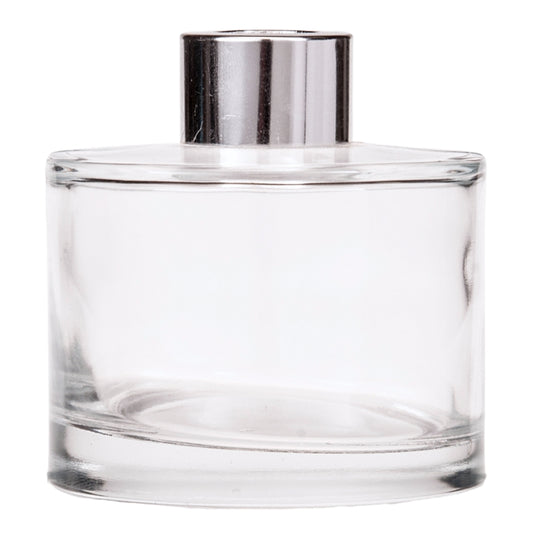
A reed diffuser is a home fragrance system that uses porous reeds or wicks to draw scented liquid up from a container and disperse fragrance into the air over time.
Reed diffusers are a gentle and passive way to diffuse essential oils in your space, without the need for a flame or electricity - making them a safe and cost effective way to fragrance your home or office. While conventional reed diffuser bases are often made with a concoction of fragrance oils, alcohols and glycols, you can very easily make your own natural and vegan base oil with a few simple ingredients.
While simple, reed diffusers give a luxury aesthetic to any space and make a lovely gift. You could even wrap up the individual ingredients as a set and let the receiver make it up themselves - it's easy enough for anyone!
What Reed Diffusers Are Used For
Reed diffusers are intended for scenting indoor spaces, not for skin contact. They are best suited to small rooms like bathrooms, bedrooms, or offices where a gentle, continuous scent is preferred.
When Reed Diffusers Work Well
- Small, enclosed spaces
- Subtle, background fragrance
- Flame-free, low-maintenance scenting
When Reed Diffusers May Not Be Ideal
- Large open-plan areas
- Very strong or immediate scent throw
- Homes with pets that may knock containers over
Making The Diffuser Base
A reed diffuser base oil needs to be neutral scented, so as to not interfere with the scent of the essential oils, and relatively thin so it can travel up the reeds. We find safflower oil, almond oil and fractionated coconut oil to be the best options here. Fortunately they are all reasonably priced too, so pick your favourite.
Depending on the size of your diffuser jar, you will need about 50-60ml of oil.
Some like to add in 2 tablespoons of isopropyl alcohol, to thin out the oil even more and help the scent travel up the reeds. This is optional, but if you find your reeds aren't drawing the oil up then you can add it in.
Safety And Isopropyl Alcohol
If using isopropyl alcohol, work in a well-ventilated area and keep the finished diffuser out of reach of children and pets. Isopropyl alcohol is used here only to help thin the oil and improve diffusion.
Formulation Guidelines For Natural Reed Diffusers
- Use a neutral-scented, low-viscosity carrier oil
- Keep containers narrow-necked to slow evaporation
- Natural oils produce a softer scent than synthetic fragrance bases
- Flip reeds occasionally to refresh scent throw
- Replace the mixture monthly or as needed
Essential Oils For Scent
For every 50-60ml of base oil you will need around 25-50 drops of essential oils. This variance is because some essential oils are stronger than others so you may need to use less or more. Do a smell test after adding every few drops to determine whether you may need to add in more essential oil.
As for which essential oils you can use in a reed diffuser, well the list is endless! You can go simple and just add your favourite for a clean scent, or you can mix up a blend for a more complex scent.
Here are some scent blend ideas:
- Bergamot & grapefruit
- Frankincense & lemon
- Lime & basil
- Jasmine & chamomile
We also have essential oils blend recipes available here: Essential Oil Blends